
The AI Divide: How Generative Artificial Transforms Efficiency, Guest Experience in 2026
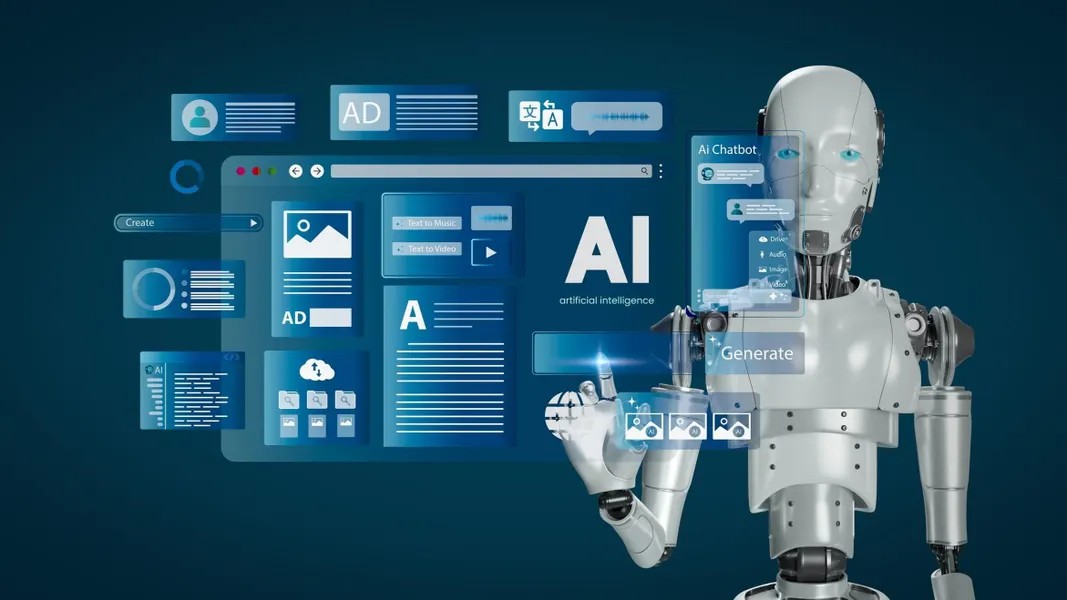
The hospitality industry in 2026 is undergoing a profound transformation driven by the integration of Agentic AI and data-centric design. Unlike traditional automation, these autonomous systems are capable of proactive, goal-oriented decision-making that optimizes everything from revenue management to personalized guest services. Hotels are now using AI to anticipate needs before they are voiced, ranging from real-time translation services to predictive maintenance that prevents system failures before they impact the guest journey.
This technological shift is being paired with a "human-centric" leadership model, where AI handles data processing, freeing human staff to focus on the nuanced aspects of hospitality, such as empathy, creativity, and cultural interaction. By removing the burden of repetitive administrative tasks, hotels are reporting improved employee satisfaction and lower turnover rates, which is a critical advantage in an industry historically plagued by staffing shortages. The goal is a partnership where technology scales the operation while human touch provides the soul.
Wellness has similarly moved from a luxury amenity to a science-backed necessity, with hotels now designing their environments using neuroscience and biometric data to promote guest recovery. By utilizing environmental data to control light levels, air quality, and even sound, properties are delivering a consistent "feel-good factor" that guests can sense upon arrival. This evidence-based approach is setting new standards for the luxury sector, where the physical space itself is used as a tool to enhance mental and physical well-being.
The "Kids Club 2.0" movement is another key trend, with properties reimagining youth programming as a "destination within a destination". By integrating local culture and nature exploration into their kids' clubs, hotels are driving longer stays and higher ancillary spend from families, a market segment that remains remarkably resilient. The creation of multi-generational engagement zones ensures that children's experiences align with the hotel’s broader brand narrative, fostering long-term loyalty that persists even as young travelers grow into adults.
Culinary experiences are also being elevated, with F&B concepts now acting as anchors for the entire brand identity. Hotels are increasingly viewed as "third spaces" where destination dining attracts locals as much as overnight guests, blurring the lines between hospitality and community hubs. This trend not only provides a reliable revenue driver but also helps the property become a vibrant extension of its local culture, encouraging guests to linger and deepen their connection to the destination.
As the hospitality market grows toward an estimated $5.82 trillion in 2026, the competitive edge belongs to those who successfully merge data, design, and human emotion. The industry is becoming more bifurcated, with luxury brands focusing on deep personalization and budget segments utilizing total automation to maintain affordability. In this evolving landscape, the most successful destinations will be those that prove they can provide not just a place to sleep, but an environment that meaningfully enhances how guests live, feel, and connect.