
Bye Aerospace Reveals Core Production Supply Matrix for Historic eFlyer 2 Electric Plane
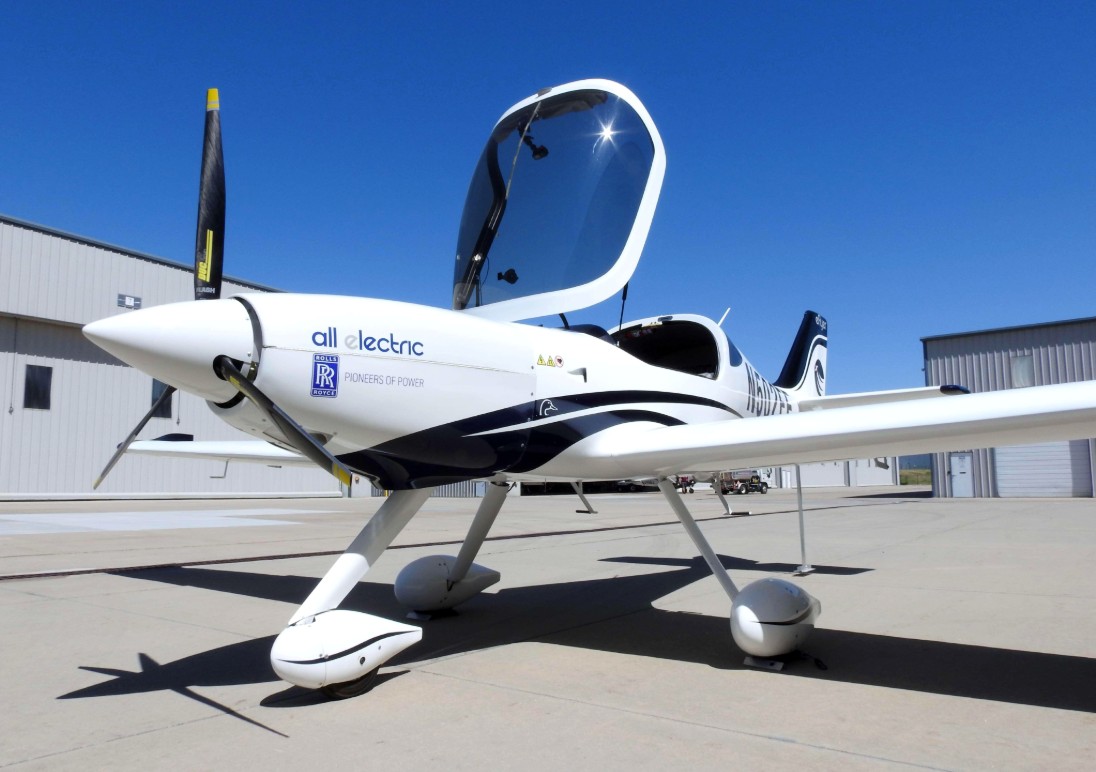
The structural development of the global sustainable aviation industry advanced toward a vital operational milestone as Bye Aerospace formalized its primary component pipeline. The Denver-based aerospace manufacturer officially disclosed its complete network of certified tier-one supplier partners engineered to support the final production framework of the eFlyer 2 electric training airplane. The highly anticipated two-seat aircraft model is currently entering its final phases of ground preparation ahead of an imminent, high-visibility first flight.
The clean-energy propulsion system will leverage an EASA-certified Safran EngineUs 100B1 electric motor, powered directly by specialized, redundant battery modules designed by MagniX USA. This advanced technological integration allows the trainer aircraft to operate with zero direct carbon emissions while drastically reducing systemic engine maintenance overhead for commercial flight academies. The sophisticated power management framework is explicitly engineered to maximize energy density and ensure stable thermal regulation during high-frequency training cycles.
The physical airframe consists of 275 high-strength composite components manufactured utilizing advanced materials sourced from Toray Composite Materials America. The corporation is actively coordinating with the Federal Aviation Administration to secure type certification under rigid Part 23 Amendment 64 safety standards, targeting initial commercial fleet deliveries before the conclusion of the upcoming calendar year. This rigorous regulatory validation process is designed to prove that all-electric airframes can achieve identical safety margins to traditional combustion aircraft.
Aviation market analysts note that the formalization of this production supply matrix represents a critical step toward achieving true commercial scalability within the emerging electric flight sector. By locking in long-term supply contracts with established aerospace component manufacturers, the company effectively mitigates the risk of systemic delivery delays that frequently plague early-stage aerospace startups. The strategic procurement framework ensures that the assembly pipeline remains protected against localized material shortages and broader global supply chain volatility.
The economic implications for the pilot training industry are substantial, as flight schools look for innovative mechanisms to combat soaring fuel and operational costs. Initial engineering projections indicate that the electric propulsion system will lower hourly operating expenses by an estimated 80 percent compared to conventional trainer models. This dramatic cost reduction could democratize access to professional aviation education, helping the global industry address the ongoing commercial pilot shortage crisis.
As global regulatory bodies continue to tighten environmental restrictions on traditional aviation emissions, the commercial success of electric trainers is viewed as a vital testing ground for wider industry decarbonization. Bye Aerospace’s corporate leadership remains focused on scaling production capabilities at its primary assembly facility to meet a mounting backlog of international purchase options. The imminent flight test sequence marks a defining moment that will help bridge the gap between experimental green technology and mainstream commercial aviation production.