Anak Krakatau Volcanic Eruption Stalls Eight Airports in Indonesia
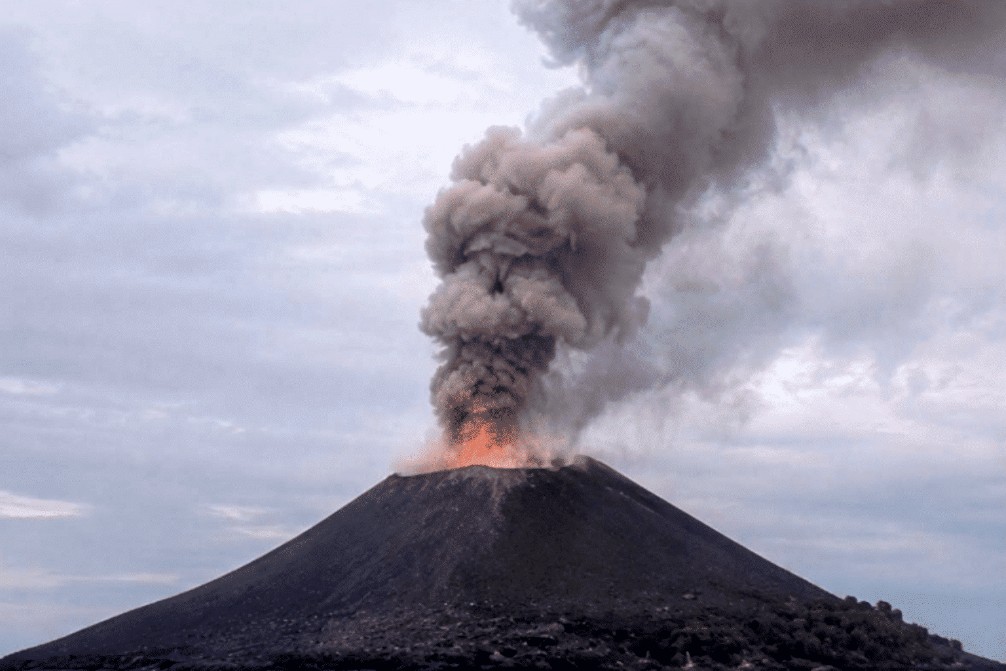
A severe aviation crisis has unfolded across Indonesia following a powerful eruption of the Anak Krakatau volcano, which spewed dense clouds of volcanic ash across multiple regional provinces. The natural hazard prompted aviation authorities to order the immediate temporary closure of 8 critical commercial airports, leaving tens of thousands of international and domestic passengers stranded across the archipelago.
The sweeping emergency closures directly impacted major national aviation hubs, including the Soekarno-Hatta International Airport and Halim Perdanakusuma facility serving the capital city of Jakarta, alongside secondary terminals such as Radin Inten II and Husein Sastranegara. Ministry of transport officials confirmed that hundreds of scheduled flights were canceled or heavily delayed, significantly disrupting connectivity across Java, Sumatra, and surrounding commercial corridors.
Specialized meteorological agencies reported that the volcanic plume reached formidable altitudes, dispersing hazardous particulate matter across the Sunda Strait and prompting immediate safety protocols from air traffic management. Airlines operating within the region scrambled to reroute aircraft, while ground crews worked continuously to assist stranded travelers and manage terminal congestion caused by the unexpected operational suspensions.
Local emergency management agencies and health ministries issued urgent public advisories urging residents and visitors within affected provinces to limit outdoor activities and utilize protective respiratory gear. While authorities emphasized that no immediate structural collapse or tsunami threat was detected, strict perimeter restrictions remain enforced around the active crater due to ongoing seismic instability.
As technical teams monitor atmospheric dispersion patterns and evaluate runway safety, aviation administrators plan to conduct phased inspections before authorizing the gradual resumption of normal flight schedules. The disruption underscores the acute vulnerabilities that active geological phenomena within the Pacific Ring of Fire pose to modern commercial aviation and regional tourism infrastructure.