Exploring the Alpine Heritage and Craftsmanship of Carnia
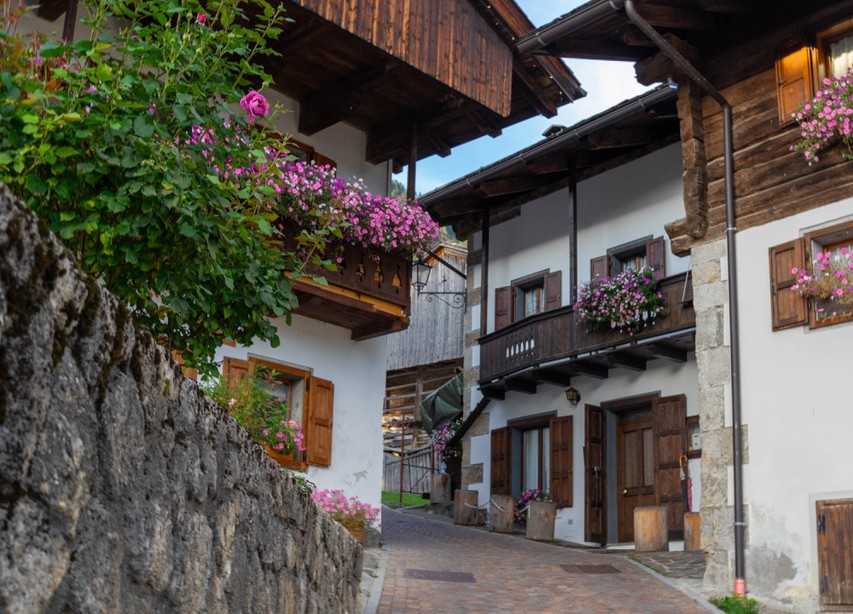
Discovering Carnia: alpine traditions, and timeless crafts in Friuli Venezia Giulia
By Massimo Terracina
Hidden within the verdant, mountain-framed folds of Friuli Venezia Giulia (https://www.turismofvg.it/it) in northeastern Italy lies Carnia a region where wild nature meets centuries-old Alpine heritage. Far from the congested tourist hubs, Carnia invites travelers to slow down and experience a landscape sculpted by history, craftsmanship, and community resilience. At the heart of this region are the captivating villages of Sauris (Zahre in the local dialect) and Sutrio, (upper and lower) offering a journey best explored at a human pace: on a bicycle.
Sauris: an alpine island of cultural preservation
Perched over 1,000 meters above sea level, the valley of Sauris is divided into two primary settlements: Sauris di Sotto (lower) and Sauris di Sopra (upper). For centuries, geographic isolation protected this German-speaking enclave, allowing its unique culture to flourish undisturbed. Settled in the 13th century by migrants from Carinthia and/or Tyrol, the local community preserved an archaic High German dialect, distinctive architecture, and rich culinary traditions.
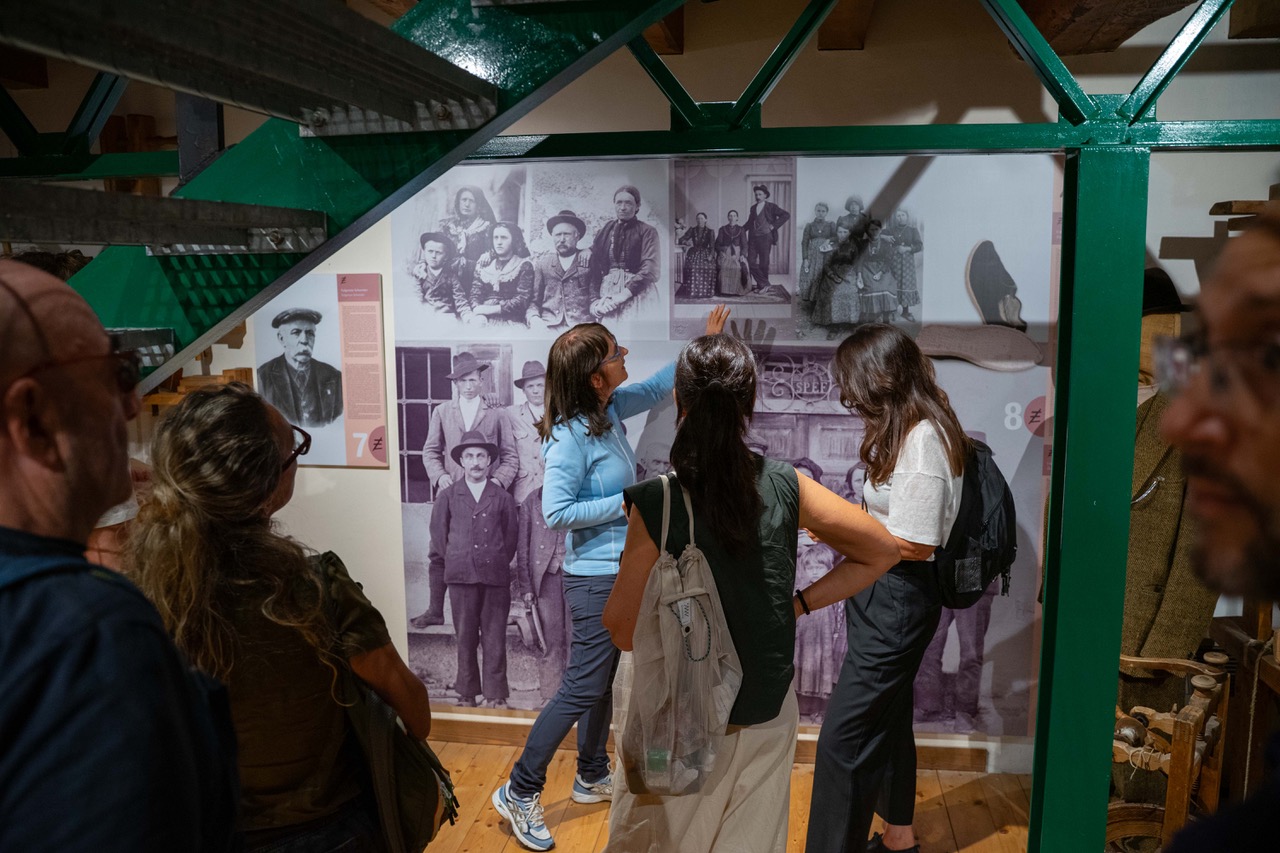
To understand the soul of this highland community, a visit to the "Sohs van Zahre" Ethnographic Center (https://www.sauris.org/en/traditions-and-culture/) in Sauris di Sopra is essential. Through everyday artifacts, historic agricultural tools, and archival documents, the museum illustrates how generation after generation maintained deep harmony with their rugged environment while holding onto a vivid cultural identity.
The Birth of Albergo Diffuso: sustainable hospitality born from resilience
Sauris is not just culturally distinct; it is the birthplace of a revolution in sustainable tourism: the Albergo Diffuso (Scattered Hotel).
Following the devastating earthquake that struck Friuli in 1976, tourism marketing professor Giancarlo Dall’Ara conceived a pioneering model to rebuild local economies without destroying their historic fabric. Instead of constructing monolithic hotel resorts, historic homes, stone barns, and wooden haylofts (stajjn) across Sauris were painstakingly restored and converted into guest accommodations.
Today, staying in an Albergo Diffuso allows travelers to live integrated within the village community. Guests enjoy the independence and privacy of authentic historic lodgings paired with centralized hotel services, ensuring that tourism directly supports heritage preservation and local livelihoods (albergodiffusosauris.com).
Living traditions: the art of weaving and the “scarpet”
Carnia’s long winters historically demanded self-sufficiency, giving rise to rich artisan traditions. Among these, textile craft holds a prominent place in Sauris’s cultural heritage.
For generations, local artisans worked with wood-framed handlooms to weave wool, linen, and cotton into refined fabrics featuring traditional mountain motifs. A key symbol of this textile heritage is the scarpet, the classic Friulian velvet slipper with stitched soles, handcrafted with meticulous attention to detail. Local workshops continue to honor this heritage, blending peasant ingenuity with contemporary design aesthetics (tessiturasauris.com).
Woodworking and the archaic masks of the Alpine Carnival
Wood is far more than a material in Carnia; it is a living medium that tells the story of the forest. While the town of Sutrio is internationally famous for its wood-carving master artisans, Sauris shares this profound legacy. Historical workshops such as F.lli Plozzer in Sauris di Sopra carry forward centuries of carving expertise (legnostileplozzer.com/home/).
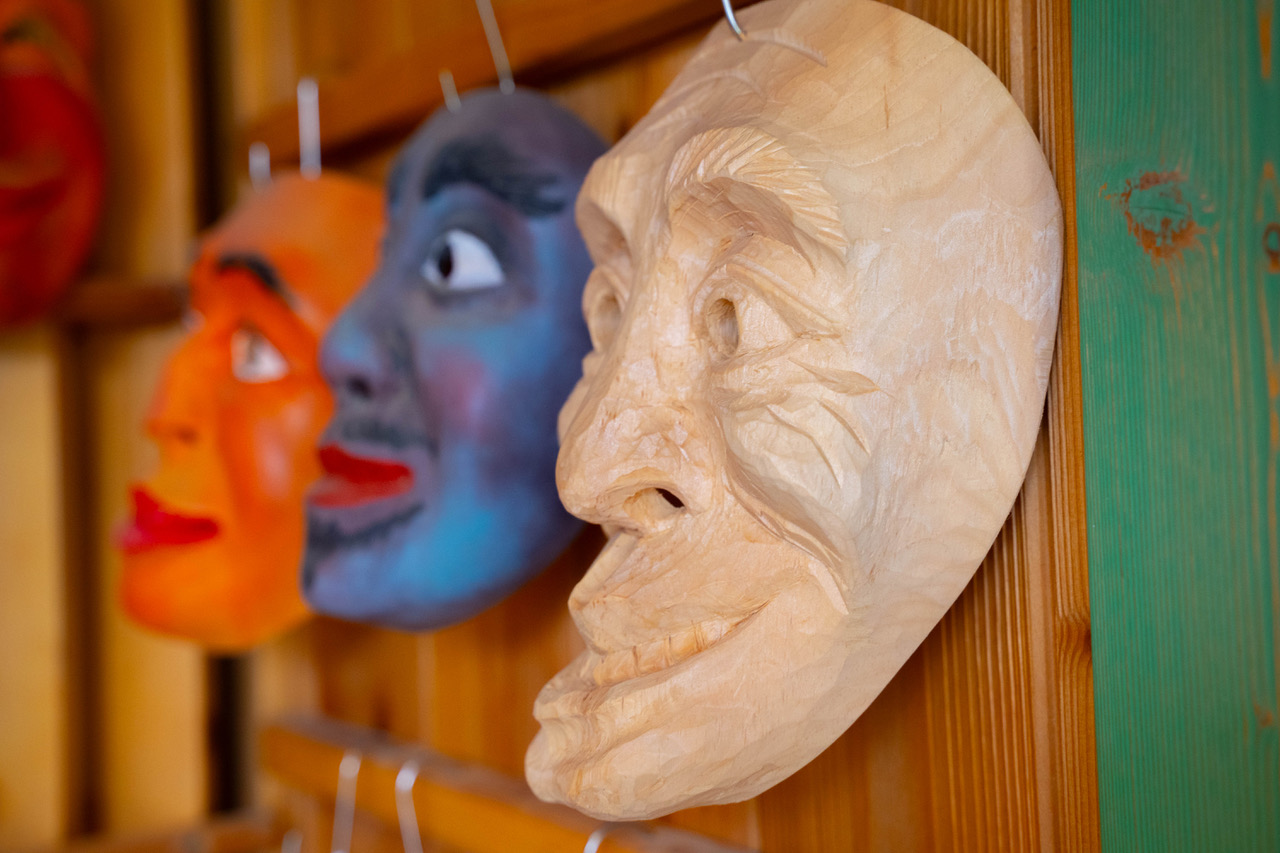
The most dramatic manifestation of this woodcraft appears during Vosching, the ancient Alpine Carnival celebrated in both Sauris and Sutrio (located about 22 km as the crow flies, or 50 km by road). Artisans sculpt intricate masks from soft, aromatic woods like Swiss pine (cirmolo) or lime wood (tiglio). These traditional masks are divided into two distinct symbolic archetypes:
I Belli (Scheena): Beautiful masks featuring graceful, smoothed features, crowned with vibrant hats adorned with colorful ribbons and paper flowers. They represent spring, warmth, and the rebirth of nature.
I Brutti (Eschla): Grotesque, ugly, heavily lined, and exaggerated wooden faces designed to ward off winter fears, dark spirits, and harsh mountain weather.