Iguazu National Park Imposes Strict Daily Visitor Quotas for Environmental Conservation
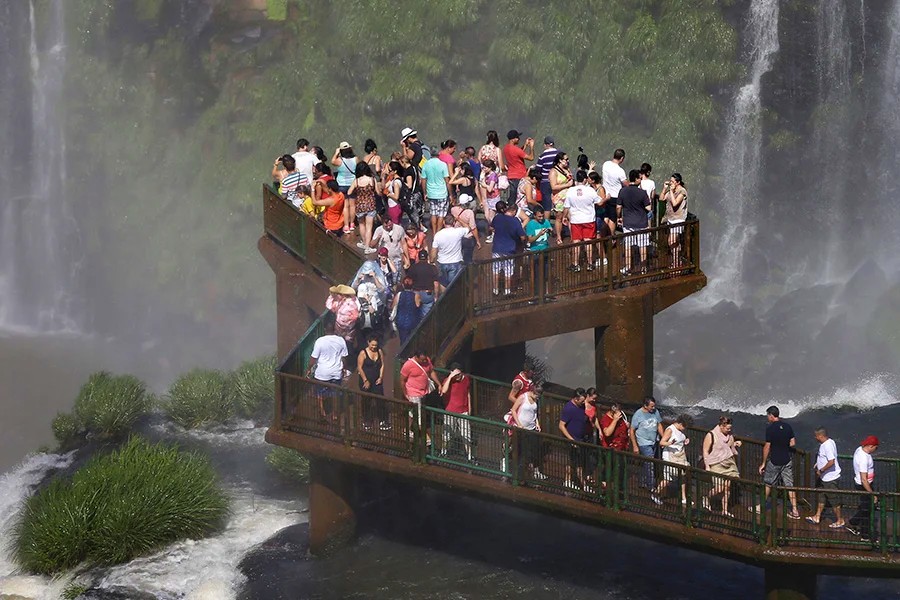
Park administration officials have formally announced a strict cap limiting daily entries to eight thousand visitors across the popular tourist circuits on the Argentine side. The regulatory framework responds directly to documented infrastructure wear along elevated walkways and the mounting ecological pressures of mass tourism on local flora and fauna.
Travel agencies and international tour operators must now secure reservations through the official digital platform at least two weeks in advance. The new policy prioritizes sustainable tourism management while eliminating traditional walk-up ticket purchases at park gates to ensure orderly daily crowd distribution.
Sustained growth in international arrivals had placed severe strain on the pedestrian pathways situated near the renowned Garganta del Diablo sector. Park rangers and resident biologists documented progressive trail degradation alongside behavioral stress indicators among native bird and mammal populations inhabiting high-traffic zones.
Local tourism operators have expressed general support for the protective mandate, acknowledging that advanced digital planning will require necessary logistical adjustments for upcoming travel itineraries. To combat ticket speculation and digital black-market resales, admission vouchers now incorporate strict personal identification requirements verified at park checkpoints.
Environmental authorities emphasize that balancing continued economic development with rigorous habitat protection is essential for preserving the integrity of the natural wonder. The predictable scheduling model is expected to enhance overall visitor safety while safeguarding the sensitive ecosystems of the surrounding regional rainforest.
Park leadership notes that ongoing monitoring programs will evaluate the effectiveness of the visitor caps throughout the upcoming peak seasons. Officials remain committed to adapting conservation protocols as necessary to protect the natural heritage of the protected area for future generations of global travelers.