Sports Tourism Emerges as the Definitive New Frontier for Destination Marketing
Industry analysts and public relations leaders are highlighting a profound structural shift in global consumer behavior, identifying sports tourism as a primary driver of international travel rather than a secondary niche.
With major international competitions filling annual calendars, destination marketing organizations are recognizing that high-profile athletic events generate unmatched global media exposure and long-term brand equity. Consequently, cities and national tourism boards are aggressively restructuring their marketing strategies to capture major sporting spectacles.
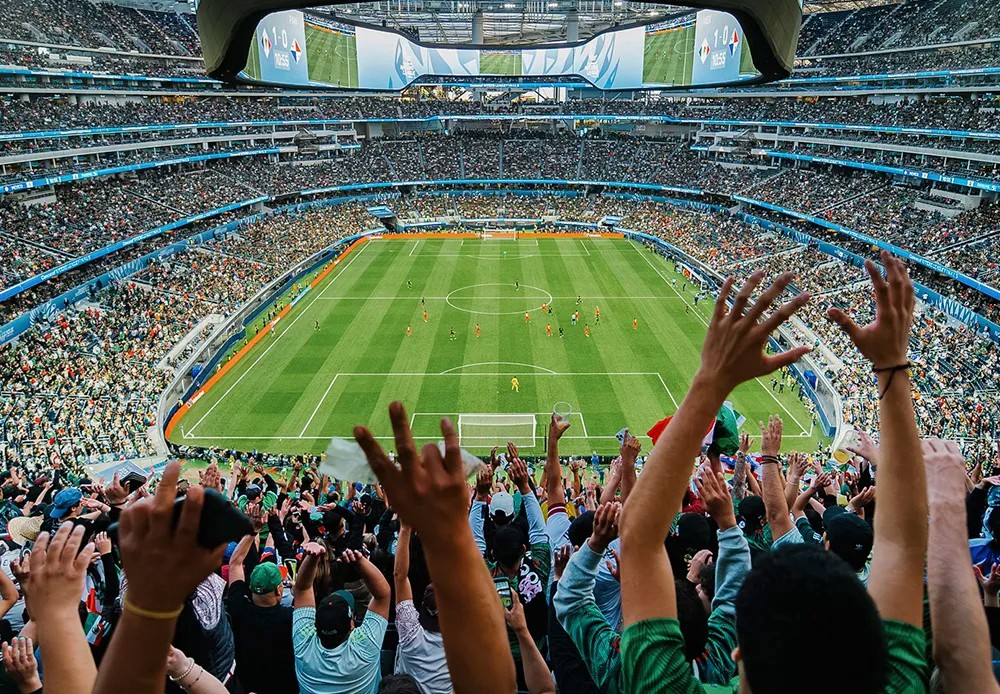
The upcoming FIFA World Cup, co-hosted across North America, stands out as the single largest event tourism generator in continental history. Early economic impact projections estimate that the multi-city tournament will attract over five million international visitors, generating between fifteen and twenty billion dollars in direct economic activity across the sixteen host cities. Regional hospitality brands and commercial carriers are already building comprehensive, multi-year promotional campaigns to capitalize on this massive influx of fans.
Travel marketing experts stress that treating major athletic competitions as isolated, one-off activations is an outdated strategy that leaves brands vulnerable to competition. Forward-thinking destinations are instead embedding sports infrastructure into long-term narrative branding, utilizing events to showcase local culture, gastronomy, and hospitality infrastructure to a global audience. This sustained approach ensures that host regions retain lasting economic benefits long after the final whistle has blown.
Airlines are actively supporting this trend by expanding route networks and increasing seat capacity into designated tournament host cities well in advance of kickoff events. Network planners are designing flexible multi-destination itineraries that encourage sports fans to extend their stays and explore surrounding regional attractions. These collaborative route developments help distribute tourist expenditures more evenly across secondary markets.
Ultimately, the meteoric rise of sports tourism underscores the deep human desire for shared, collective experiential travel. As international spectators increasingly combine athletic fandom with vacation planning, the intersection of sports and travel will remain a dominant force in global mobility. Destinations that master this high-stakes marketing environment will secure disproportionate market share and enduring consumer loyalty.