
United States Embassy Issues Urgent Travel Guidance Regarding New Border Controls in Europe
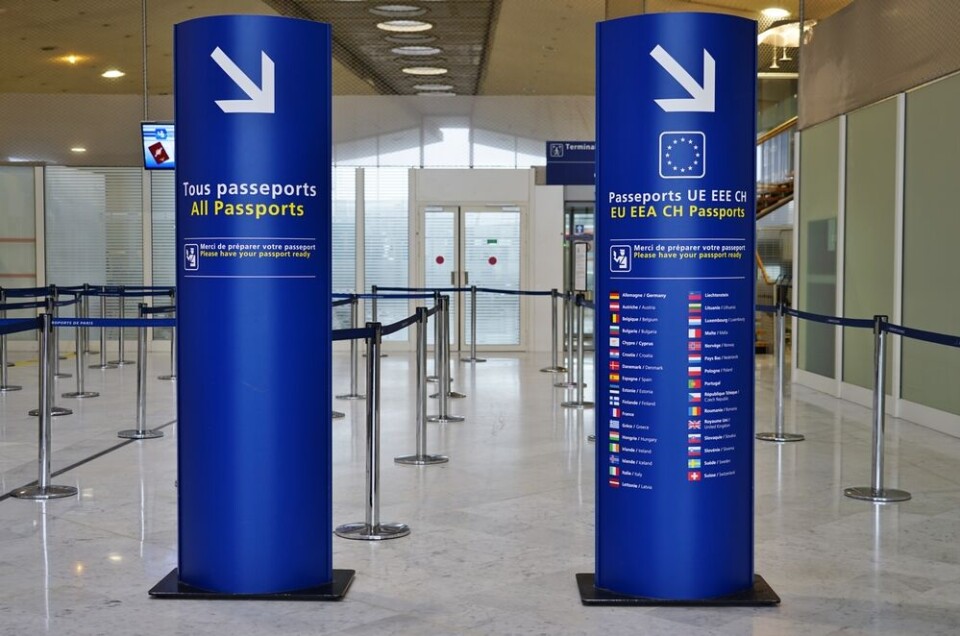
The United States Department of State and regional diplomatic missions released an important advisory alerting international travelers to the temporary reinstatement of border controls on arrivals traveling from Spain into Italy.
Implemented by European authorities, the thirty-day border adjustment has prompted the Italian Interior Ministry to initiate discretionary spot checks and document verifications at major international airports and maritime crossing points. U.S. citizens and international tourists are strongly advised to anticipate potential screening delays and ensure all travel documentation is readily accessible.
The sudden enforcement changes underscore the complex regulatory hurdles that modern international travelers must navigate when moving between Schengen Area member states. Travel security experts recommend that vacationers carry valid passports, appropriate visas, or formal proof of residence to present immediately if requested by border enforcement personnel. Furthermore, airlines operating trans-Mediterranean routes are advising passengers to arrive significantly earlier at terminal check-in counters to accommodate the extended document verification procedures.
Tourism advocacy groups note that while such border adjustments can occasionally cause temporary transit friction, they are designed to reinforce regional security and manage migratory flows effectively. Travel agencies are proactively communicating these evolving entry protocols to clients booked on multi-destination European itineraries, helping to minimize terminal confusion and missed connections. Transparent communication remains the most effective tool for maintaining traveler confidence during unexpected regulatory shifts.
Insurance providers report a corresponding increase in inquiries for comprehensive travel protection policies that cover transit delays and itinerary disruptions caused by regulatory enforcement actions. Travelers are increasingly opting for flexible booking terms that allow for seamless schedule adjustments if border processing times exceed initial estimates. Insurance aggregators continue to update their modular coverage plans to address these specific regional travel risks.
Ultimately, navigating modern international travel requires a high degree of situational awareness and proactive pre-trip preparation. By monitoring official diplomatic channels, arriving early for international departures, and complying fully with local border authorities, travelers can ensure smooth, secure European getaways. Staying well-informed remains an essential requirement for anyone exploring the dynamic global travel landscape.