
United States Implements Permanent Visa Bond Program to Shape International Tourism Dynamics
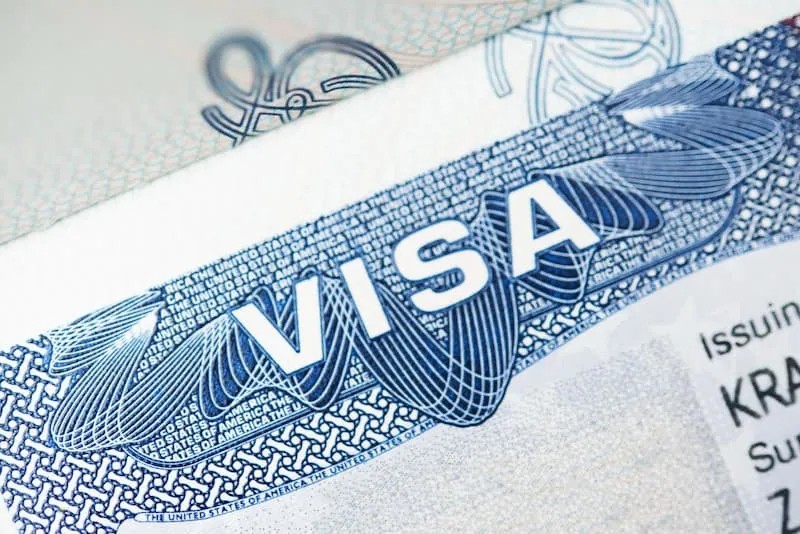
The international travel sector is adjusting to significant regulatory updates as the United States government officially implements its permanent visa bond program for designated visitor visa applicants. Confirmed by federal consular authorities, the permanent framework allows diplomatic missions to require financial security bonds of up to twenty thousand dollars for specific travelers hailing from nations with high overstay rates. This strategic policy shift aims to reinforce border compliance while carefully balancing international tourism growth and security protocols.
Tourism policy analysts note that while new visa bond requirements introduce additional administrative steps for select prospective visitors, major inbound travel metrics across North America remain remarkably strong. Federal tourism boards report that international visitor spending continues to inject hundreds of billions of dollars into the domestic economy, supporting millions of hospitality jobs nationwide. Travel agencies are actively communicating these evolving entry protocols to global clients to ensure smooth, compliant visa processing.
Global aviation networks and international carriers are closely monitoring the regulatory changes while continuing to expand their flight frequencies and long-haul routes into major U.S. hubs. Airline network planners emphasize that maintaining accessible, well-connected flight corridors is essential for supporting sustained international leisure and business demand throughout the remainder of the year. Collaborative partnerships between airlines and destination marketing organizations continue to drive robust passenger bookings.
Travel insurance providers and legal advisory firms have introduced specialized consultation services to help prospective visitors navigate complex consular requirements and financial bond procedures. Comprehensive travel protection packages remain vital as modern consumers seek financial security against unforeseen administrative delays or itinerary modifications. Transparent communication from diplomatic channels remains critical for maintaining traveler confidence.
Ultimately, the implementation of the permanent visa bond program underscores the complex interplay between national security policies and global tourism mobility. As governments worldwide refine their border entry procedures, the international travel ecosystem continues to evolve toward greater regulatory scrutiny and structured oversight. Navigating these changing requirements remains an essential priority for travelers exploring the global landscape.