British Airports Return to Normal Following Massive Aviation Chaos
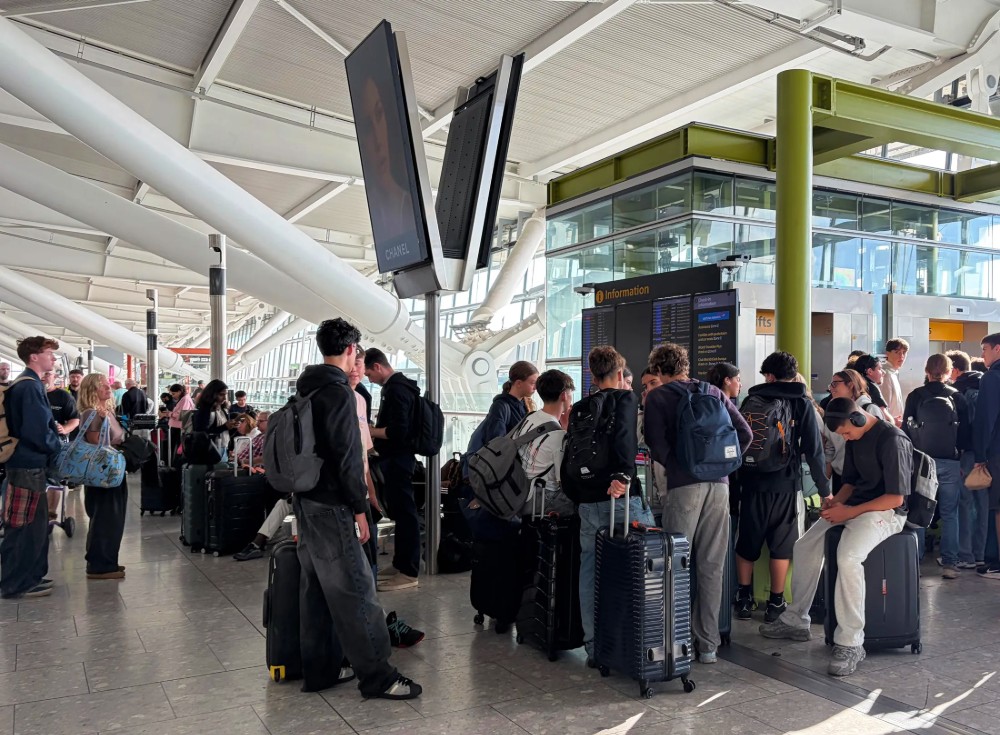
Major air terminals across the United Kingdom have begun resuming their standard operations after enduring intense periods of widespread disruption caused by a critical technical failure within air traffic control systems.
Specialized media outlets and sector organizations confirmed that recovery efforts are progressing steadily, allowing the gradual resumption of commercial itineraries at the busiest aerodromes in British territory following the initial operational gridlock.
Despite the sheer magnitude of the logistical collapse, the United Kingdom Civil Aviation Authority (CAA) has formally warned that the hundreds of thousands of affected passengers stand little chance of receiving direct financial compensation for the hardships endured.
The origin of the incident traces back to a severe breakdown recorded at the management center of National Air Traffic Services (NATS), which forced the cancellation of over two thousand flights and unleashed a massive domino effect across key infrastructures such as Heathrow, Gatwick, Manchester, and Stansted.
Aeronautical analysis firms indicated that the issue directly impacted more than 330,000 travelers, forcing commercial airlines to urgently reorganize their crews and aircraft fleets over several consecutive days. The regulatory institution explained that disruptions stemming from failures in navigation services are typically classified under the legal category of extraordinary circumstances, legally exempting transportation companies from disbursing compensation for delays or cancellations.
Nevertheless, current regulations continue to mandatorily require airlines to guarantee basic assistance and care for stranded travelers. These obligations include the immediate delivery of food and beverage vouchers, the provision of hotel accommodations during forced overnight stays, and priority rebooking onto alternative routes without incurring any additional cost for users impacted by the crisis.
This new episode of instability has significantly increased political and institutional pressure on the executive leadership of NATS, whose top officials have been summoned by the British government to submit a comprehensive report. Minister of State for Transport Heidi Alexander requested an independent audit to thoroughly examine the resilience of the national technological infrastructure, while airline associations demand absolute guarantees to safeguard European airspace against future systemic failures.