AA Calls Off Direct Routes Connecting the U.S. and Key Mexican Resorts
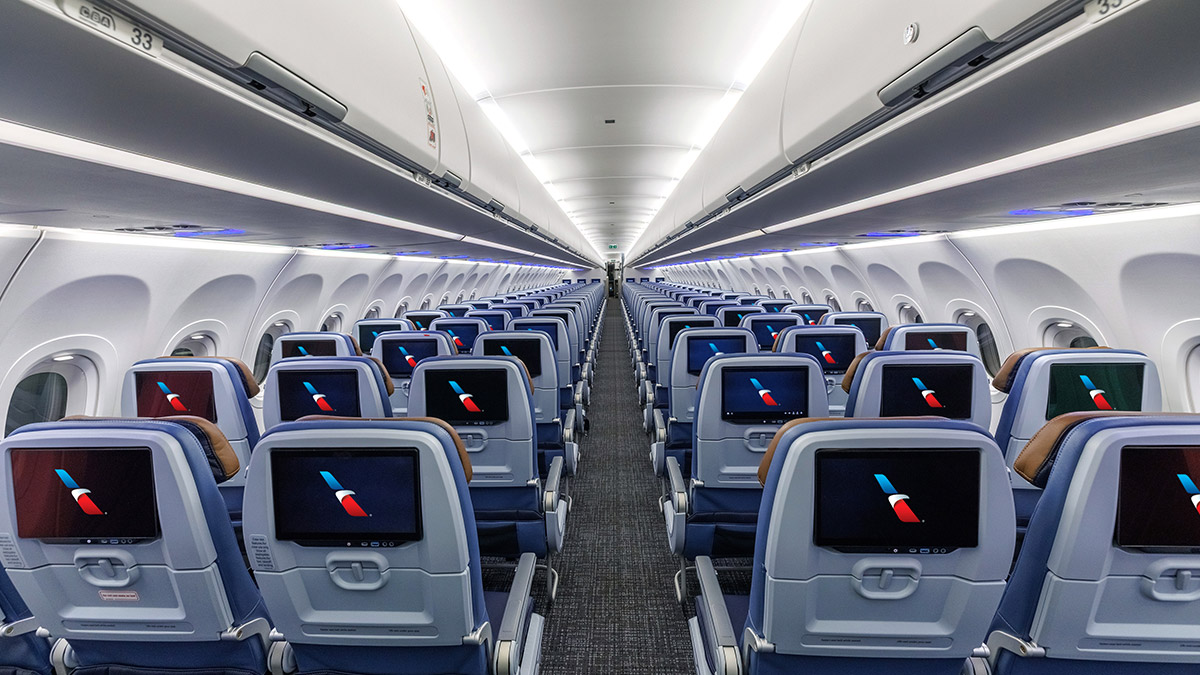
Major American carrier American Airlines has officially confirmed the impending cancellation of two strategic direct routes linking important domestic hubs to premier tourist destinations in Mexico, marking a notable adjustment in the airline's network strategy across the region.
Corporate scheduling updates indicate that the direct service connecting Miami to Tulum will cease operations, while the connecting route between Charlotte and San José del Cabo will also be phased out.
The suspension of the trans-marine link between Miami International Airport and the Riviera Maya terminal impacts a vital gateway designed to capture international leisure demand across the Mexican Caribbean. Following the termination of this Florida connection, the carrier's hub in Dallas/Fort Worth will remain its sole direct pathway into the burgeoning destination.
Similarly, the discontinuation of the flight path originating in North Carolina represents a significant operational shift for coastal tourism along the Mexican Pacific. Although the route maintained steady passenger demand during previous seasonal evaluation windows, airline executives opted to streamline fleet deployment, leaving primary connections to Los Cabos anchored through major mainland hubs.
Aviation analysts attribute these strategic route reductions to lower-than-anticipated yield performance, shifting passenger traffic patterns, and the gradual expiration of initial launch incentives associated with newer regional airports. Furthermore, industry experts note that overall air travel capacity to the region remains robust through nearby legacy gateways such as Cancún International Airport.
As corporate travel planners and international tour operators adjust their booking inventories in response to the schedule modifications, airline representatives emphasize that affected passengers will be re-accommodated through alternative connecting itineraries. Travel industry experts conclude that network optimization remains a necessary mechanism for legacy carriers striving to maximize profitability amidst evolving macroeconomic conditions.