WTE Miami 2026 Doubles Floor Space, Bringing AI Innovation and 70 Countries to Miami Beach
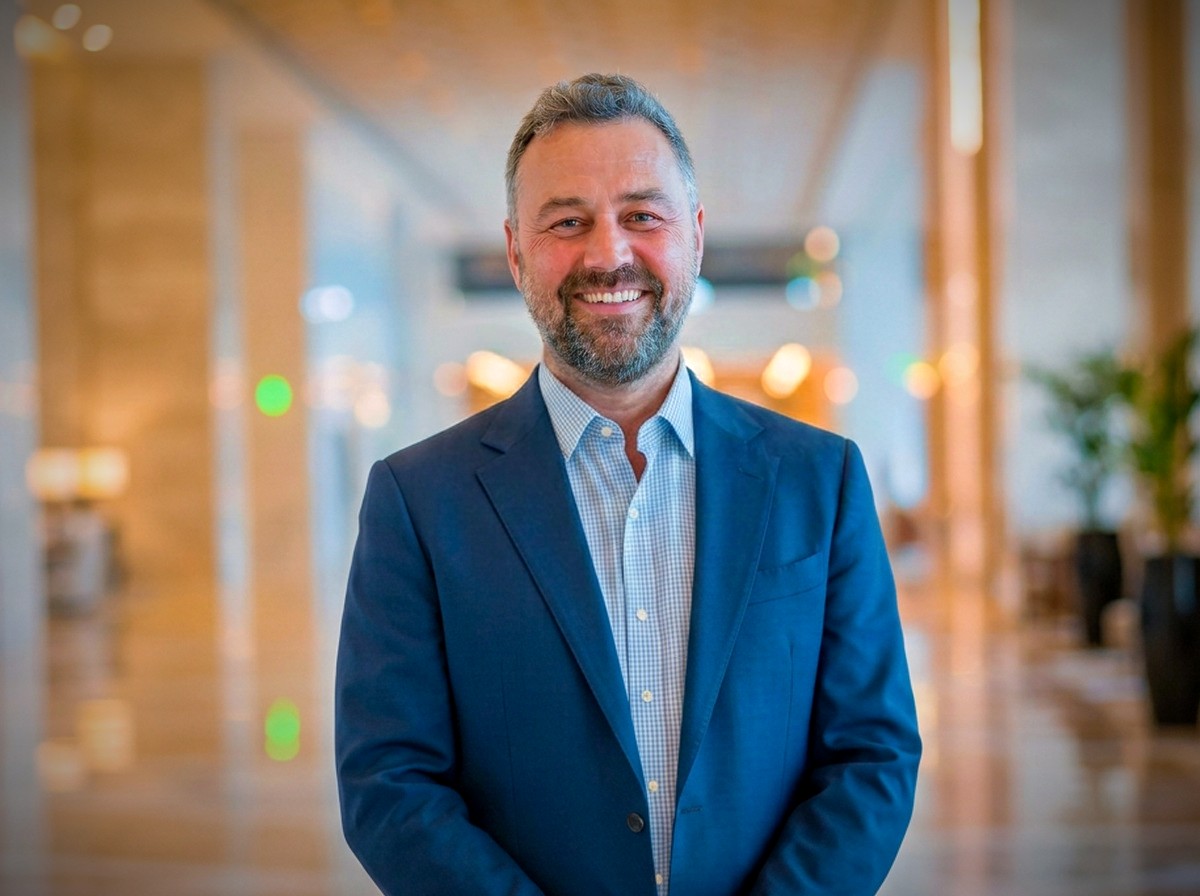
Simon Press discusses WTE Miami 2026, SnapCard AI matchmaking, and how international destinations can connect with U.S. travel advisors
As the Miami Beach Convention Center prepares to host WTE Miami 2026 from October 27–28, the global travel and tourism industry turns its attention to one of the most vital strategic gateways in the Americas.
Following its acquisition by Fairfest Media, this year’s trade show arrives with expanded global reach, a doubled exhibition floor, and a sharp focus on empowering travel advisors alongside international destinations.
In this exclusive interview, Simon Press, Managing Director – International at Fairfest Media, breaks down how cutting-edge tools like SnapCard AI are driving pre-scheduled targeted meetings, shaping travel advisor strategies for 2027, and positioning Miami as the ultimate bridge for trade throughout Latin America, the Caribbean, and the United States.
With WTE Miami set to double in size following its acquisition by Fairfest Media, what key structural changes can attendees expect on the exhibition floor this year?
Our priority under Fairfest hasn't been to make the floor bigger for its own sake. It has been to make it more international and more commercially useful. This year around 70 countries are represented, with more than 20 national tourism organizations exhibiting, and 25 countries and territories are exhibiting at WTE Miami for the first time, including the Cayman Islands, China and Romania.
We have strengthened the buyer side to match, with 535 hosted and preferred buyers taking part. WTE Miami is first and foremost an exhibition, with a conference and thought-leadership programme alongside it. The biggest structural change is how business is set up before the show.
With SnapCard AI, buyers and exhibitors can identify relevant connections, schedule meetings and message each other in advance, so a destination or hotel from Latin America or the Caribbean arrives in Miami with a diary, not just a stand. And because WTE Miami is neutral ground, exhibitors meet host agencies, consortia, associations, independent advisors and tour operators side by side, in one place.
This year's theme emphasizes 'The Travel Advisor of the Future.' How will the programming equip travel professionals and agencies to navigate emerging distribution channels and technological shifts?
The theme matters to our exhibitors as much as to advisors, because the advisor is how most international destinations reach the American traveler. The conference and thought-leadership programme opens with MMGY's Portrait of American Travelers research, so everyone starts with hard data on how U.S. travelers are changing.
Shayna Zand of Host Agency Reviews looks at the independent agency models now behind much of the U.S. trade, and the MPI Academy runs practical workshops on AI and on contracting and pricing group travel. For a destination, understanding how American advisors work today is the first step to being sold by them. Then they walk onto the exhibition floor and meet those advisors directly.
Artificial intelligence is reshaping destination discovery and booking behaviors. What practical AI applications or panels will take center stage during the conference sessions?
Our view is that AI won't replace travel advisors. It makes good advisors more powerful, and it changes how destinations get found. Two sessions focus on it directly: 'AI Solutions for the Travel Industry' and 'AI in Tourism: How It's Changing Travelers and How It's Changing the Travel Industry'.
Grace Van Hollebeke of Tern, an advisor platform, looks at the tools advisors are actually using, and Tim Luepke of MPI Academy runs a hands-on session on AI for travel professionals. For destinations in Latin America and the Caribbean, the message is clear: if American travelers and their advisors are discovering through AI, your content and your trade relationships need to be ready for it. We use AI at the show itself too: SnapCard AI powers matchmaking and meeting scheduling.
How is WTE Miami helping international exhibitors tap into the North American outbound market amid shifting traveler expectations?
For many destinations, the challenge isn't awareness of the American traveler. It's access to the people who actually sell travel to them. WTE Miami puts exhibitors in front of U.S. advisors, host agencies, consortia and tour operators involved in supplier selection and contracting, in two days, in a city that is closer and easier to reach than any other U.S. market for much of Latin America and the Caribbean.
American travelers increasingly want depth: culture, gastronomy, nature and authentic experiences. These are areas where Ibero-American destinations are strong, and they feature in the programme alongside adventure, wellness and luxury.
The Central America Tourism Agency chose WTE Miami to launch its Central America Gateway campaign to the North American market, and Santa Marta in Colombia has used the show to build relationships with agencies and tour operators. That is the kind of outcome we want for every exhibitor.
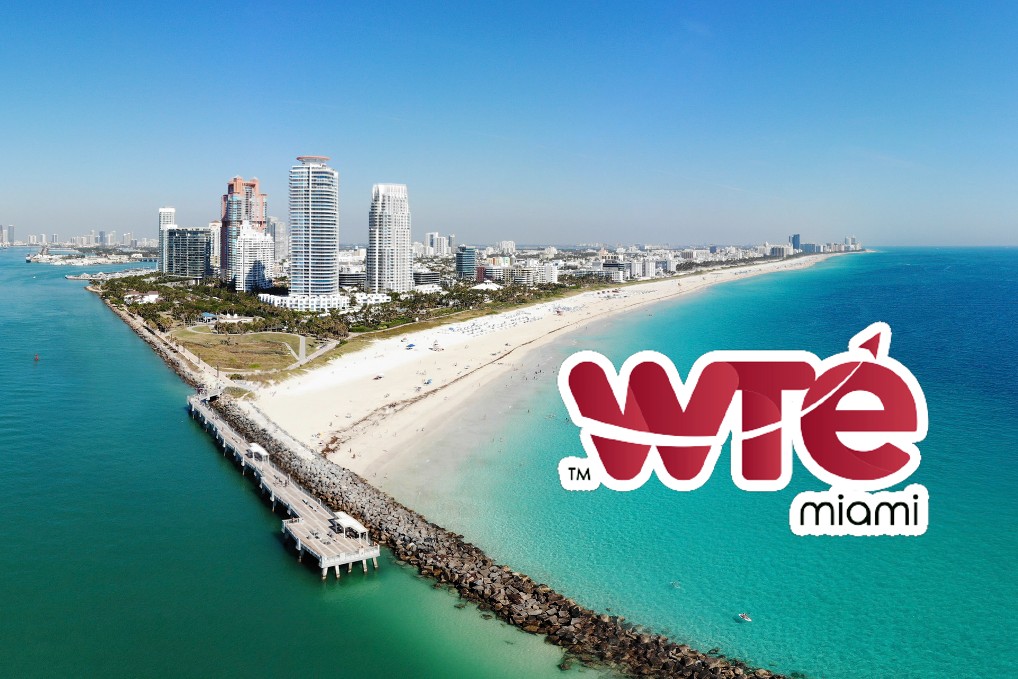
With over 70 countries and dozens of National Tourism Organizations present, how does Miami strengthen its role as the primary bridge between global destinations and the Americas?
Miami's role isn't something we created; we build on it. Miami International Airport's network across Latin America and the Caribbean, and the city's deep cultural and family ties with the region, make it the natural meeting point between the United States, Latin America, the Caribbean and the wider world.
That is reflected on stage as well as on the exhibition floor. Peter Cerda of IATA presents the Latin America travel outlook for 2027, Delta's Ignacio Borbolla looks at air connectivity across the region, and MIA's Emir Pineda covers route development, a vital conversation for any destination that wants more American visitors.
We are proud to deliver WTE Miami in collaboration with Miami International Airport and the Greater Miami Convention & Visitors Bureau, whose leaders open the show alongside Miami-Dade Mayor Daniella Levine Cava. With more than 20 national tourism organizations exhibiting and around 70 countries represented, WTE Miami brings the world's destinations to the doorstep of the American travel trade.
The event aims to facilitate over 10,000 pre-scheduled and targeted business meetings. What specialized features or buyer programs have been introduced to ensure measurable ROI for participants?
Exhibitors tell us the measure of a show is the quality of the buyers they meet, not the headcount. This year 535 hosted and preferred buyers are taking part, selected for their purchasing authority and reach, and SnapCard AI matches them with relevant exhibitors and thousands of pre-scheduled meetings in advance.
After the show we will survey attendees on how many met a supplier, destination or product they had never worked with before. For a destination investing in the U.S. market, that is the number that matters: new partners selling your destination, not just more of the same contacts.
What do you hope delegates, travel advisors, and destination leaders take away as their biggest priority as they prepare for the 2027 travel season?
Every partnership in American travel starts with a first meeting. For destination leaders, my hope is that they leave Miami with new partners in the U.S. trade who will actually sell them in 2027: advisors, host agencies and tour operators they wouldn't have reached otherwise.
For advisors, it's discovering destinations their clients haven't yet considered. The American traveler is looking for something new, and the destinations that build those trade relationships now will be the ones selected next year.