Royal Caribbean Passengers Report Harassment, Tourist Traps at Popular Destination Ports
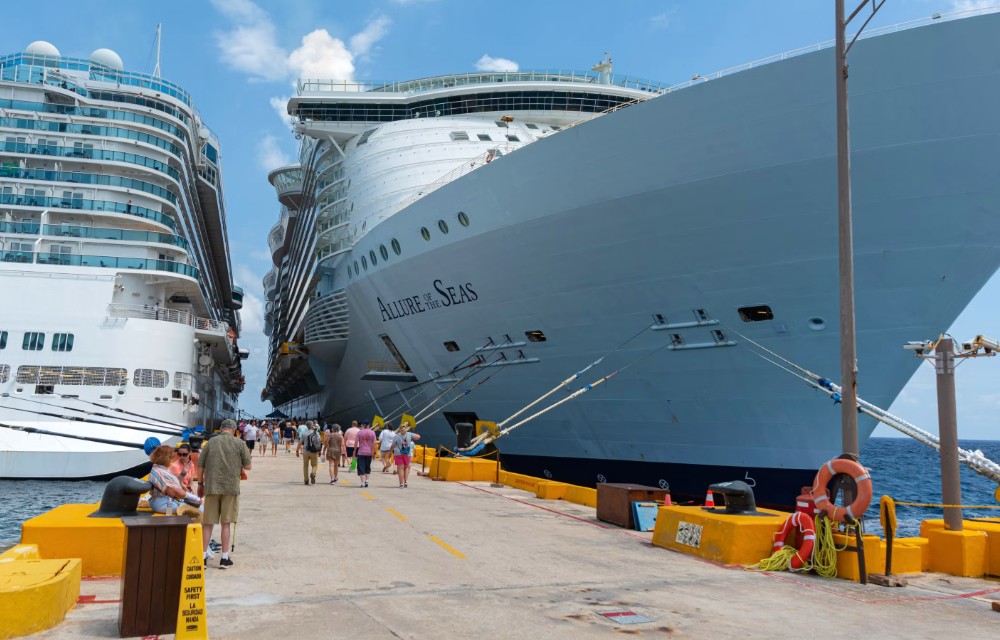
Recent travel reports and passenger testimonials have highlighted a growing wave of dissatisfaction among cruise travelers visiting popular maritime ports in Mexico.
Disgruntled guests aboard major vessels operated by Royal Caribbean have expressed frustration over aggressive commercial tactics, inflated pricing, and deceptive sales practices encountered during shore excursions.
Journalistic reports document specific grievances from travelers arriving in coastal hubs such as Cabo San Lucas, Costa Maya, and Cozumel, where aggressive street vendors and persistent hawkers reportedly disrupted the onshore experience. Passengers described feeling overwhelmed by high-pressure sales strategies, leading many to forgo subsequent shore excursions and choose to remain onboard their floating resorts instead.
Furthermore, industry observers note that similar complaints extend to secondary service providers within port perimeters, including instances of overpriced beverages, unexpected billing markups, and substandard hospitality offerings. These recurring operational friction points risk undermining the overall reputation of regional destination management organizations and discouraging repeat visits from high-value maritime tourists.
In response to these emerging challenges, travel advisors and port authorities are urging cruise operators to enhance passenger support and collaborate closely with local municipal leaders. Implementing stricter regulatory oversight within terminal zones and expanding pedestrian safety corridors are viewed as vital steps toward protecting visiting travelers from predatory commercial behaviors.
Maintaining high standards of guest satisfaction and ensuring transparent commercial transactions are essential for safeguarding the long-term attractiveness of regional cruise itineraries. Stakeholders emphasize that cooperative destination stewardship will ultimately preserve the economic vitality of local tourism communities across the region.