European Low-Cost Carrier Weighs Comprehensive Cost-Cutting Strategies
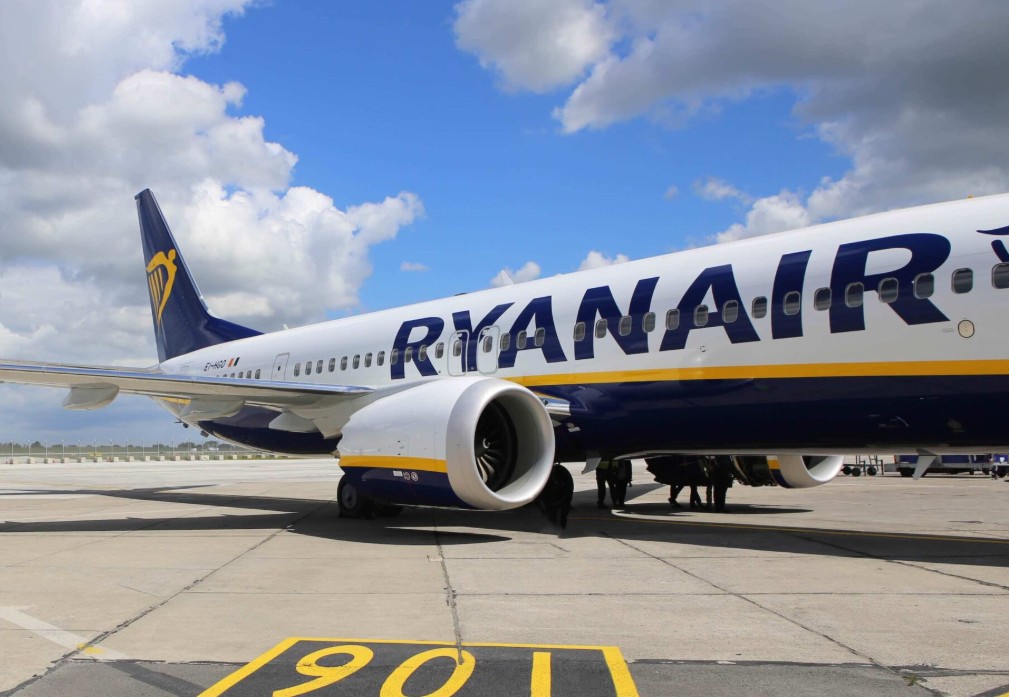
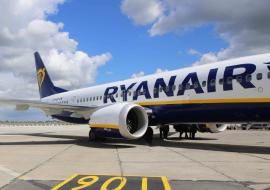
Leading low-cost airline Ryanair is actively reviewing a comprehensive operational cost-reduction strategy that encompasses potential wage freezes, optimized cabin crew staffing levels, and expanded utilization of artificial intelligence to counteract escalating jet fuel expenditures.
Airline leadership anticipates that ongoing geopolitical instability and supply chain pressures will significantly impact operating margins throughout upcoming fiscal periods.
Corporate executives project substantial increases in aviation fuel costs, prompting management to examine every facet of operational expenditure across the airline's extensive European network. Proposed adjustment measures include renegotiating airport commercial agreements, implementing temporary salary freezes upon the expiration of current collective bargaining accords, and streamlining administrative overhead through advanced digital automation tools.
Industry analysts note that international crude oil market volatility, driven largely by regional conflicts and shifting energy supplies, has eroded traditional hedging advantages for major commercial carriers. Consequently, aviation economists predict that airfares across European short-haul routes will experience upward adjustments, signaling a potential shift in long-term pricing structures for budget travel.
Labor unions representing pilots and cabin crew members have voiced strong opposition to prospective compensation freezes, emphasizing existing contractual agreements and competitive market pressures within the aviation sector. Industry representatives stress that maintaining harmonious labor relations while navigating complex macroeconomic challenges remains a critical priority for airline management.
Aviation market experts conclude that rigorous cost containment and strategic fleet optimization are essential for maintaining operational resilience and competitive pricing in the volatile international airline industry. Stakeholders affirm that balancing fiscal discipline with workforce engagement will determine long-term profitability across global commercial carriers.