U.S. Airspace Grounded: The Untold Technological Failure Behind the Four-Hour National Flight Halt
Outdated Infrastructure, High-Altitude Radar Overloads, and a Massive Surge in Canceled Flights Force Federal Authorities to Confront Critical Vulnerabilities in the American Aviation Network
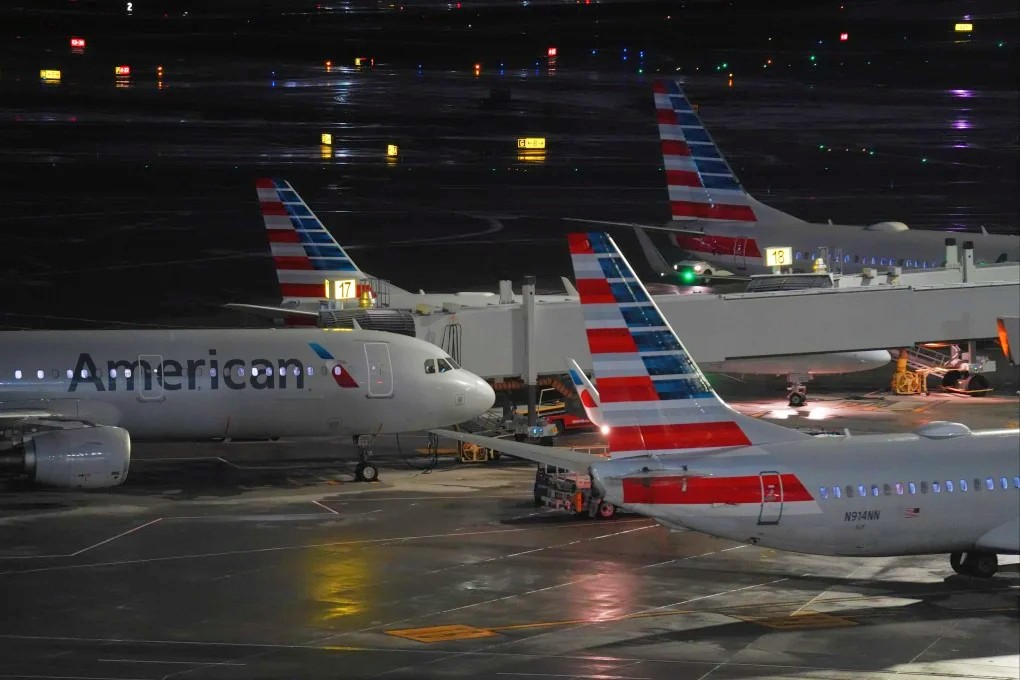
The commercial aviation system across the United States experienced an unprecedented nationwide paralysis when the Federal Aviation Administration (FAA) ordered an immediate, complete cessation of all departing flights across every airport in the country.
This emergency directive, which lasted for more than four hours, marks only the second time in modern history that the entire American airspace has been grounded simultaneously since September 2001, throwing thousands of passengers into chaos and disrupting airline operations just ahead of the peak travel period.
Addressing the media following the restoration of normal flight operations, U.S. Transportation Secretary Sean Duffy attributed the catastrophic breakdown to severe technological obsolescence within the national air traffic control architecture. Officials revealed that the core network relies heavily on legacy copper lines, outdated routers, and switching hardware dating back to the 1980s, which ultimately buckled under an overwhelming volume of digital data traffic.
According to the official investigation, the system collapse was triggered by a severe overload in the communications network linking the regional high-altitude en-route air traffic control centers managed by the FAA. Because the infrastructure lacked the modern bandwidth required to process high-speed telemetry smoothly, a critical network bottleneck cascaded rapidly through regional centers, forcing federal safety regulators to suspend all departures to prevent mid-air collisions.
Initial concerns regarding a potential malicious disruption ran high, particularly given its temporal proximity to a widespread global software outage involving Microsoft systems just days prior. However, Department of Homeland Security officials formally and categorically ruled out any cyberattack, confirming that the incident stemmed entirely from internal technical decay and infrastructural strain rather than hostile foreign interference.
The operational fallout across major commercial terminals was immediate, severe, and widespread. Preliminary flight tracking metrics compiled by FlightAware indicated that over 10,000 flights suffered substantial delays, while more than 4,000 operations were canceled outright in a single calendar day, leaving airline crews and aircraft fleets catastrophically misplaced heading into the weekend.
Federal regulators and major airline carriers warned that the residual ripple effects of this technological blackout will continue to plague itineraries for days as scheduling departments scramble to restore order. Under existing Department of Transportation consumer protection regulations, affected passengers facing significant delays or cancellations are legally entitled to a full cash refund rather than airline vouchers, provided they choose not to accept alternative travel arrangements offered by the carrier.