Ground Collision between Copa Airlines Plane and UPS Cargo Aircraft Under Investigation
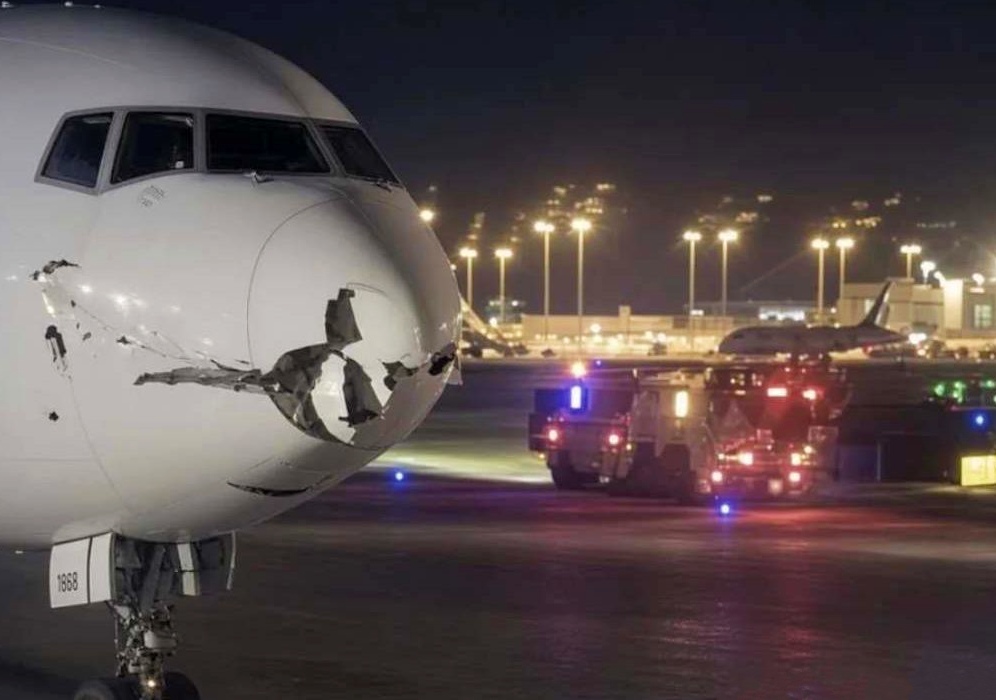
Federal Regulators Launch Immediate Investigation Into Taxiway Incursion After a Cargo Freighter Overtakes Assigned Clearance Limits, Resulting in Structural Wing and Nose Damage
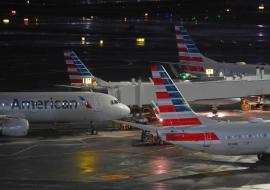
The Miami International Airport (MIA) served as the backdrop for a dramatic ground mishap when a Copa Airlines passenger jet and a UPS cargo aircraft collided during routine taxiway maneuvering. The unexpected incident prompted an immediate deployment of emergency response units across the South Florida transit hub, disrupting ground operations and focusing renewed attention on airport safety protocols.
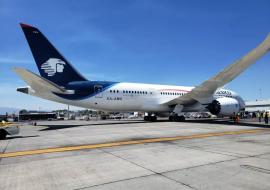
The collision involved Copa Airlines Flight 427, a Boeing 737-800 carrying 166 passengers and 6 crew members that had just arrived from Panama City and was safely taxiing toward its designated arrival gate. Initial incident reports compiled by the Federal Aviation Administration (FAA) indicate that the commercial jet was moving along an active taxiway when the runway incursion occurred.
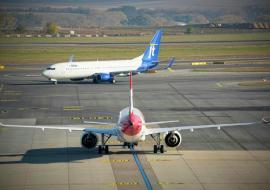
According to preliminary transcripts from air traffic control communications, the opposing UPS cargo flight—a widebody Boeing 767 scheduled for departure toward Bogotá—was given direct instructions to yield right-of-way and hold position. However, the heavy cargo freighter proceeded past its assigned holding boundary, inadvertently encroaching onto the active path of the taxiing passenger airliner.
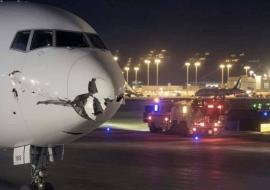
As the two massive aircraft converged due to the premature positioning of the freighter, the left wingtip winglet of the Panamanian carrier's Boeing 737 clipped the nose cone and forward radome section of the UPS freighter. The physical impact caused noticeable structural damage to both aircraft exterior housings, though both planes remained upright and stable on the tarmac.
Emergency medical personnel evaluated passengers at the scene, confirming that no critical injuries or fatalities occurred among the hundreds of travelers and crew members on board. Only two passengers aboard the commercial flight received minor medical attention for minor bruising, neither requiring transport to a regional medical facility.
Investigators from the National Transportation Safety Board (NTSB) and the FAA have launched a joint formal inquiry to uncover the precise chain of events leading up to the taxiway incursion. Technicians are currently reviewing cockpit voice recorders, ground radar telemetry, and air traffic control tower transcripts to determine whether pilot miscommunication, signage confusion, or operational oversight caused the near-miss collision.