Europe Logs Busiest Summer in Air Traffic Ever Amid Middle East Conflict
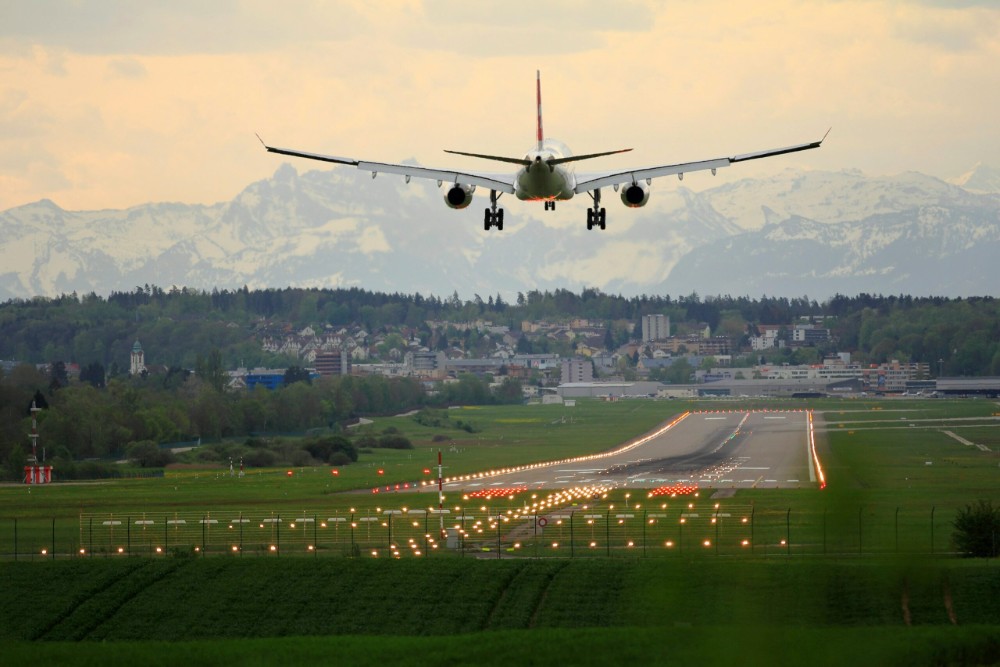
European skies experienced their most heavily trafficked summer season in aviation history during recent months, surpassing all previous records despite operational disruptions triggered by ongoing geopolitical instability in the Middle East.
According to official data released by the European Organisation for the Safety of Air Navigation (Eurocontrol), the continent's aviation network maintained exceptional resilience throughout the peak holiday period.
Between June 1 and August 31, the continental aviation network managed an average of 35,959 daily flights, representing a 2.4% increase compared to the corresponding summer period of the previous year. The absolute peak volume was reached on Friday, July 10, when control centers handled 37,640 operations in a single day, driven by sustained travel demand across major international corridors.
This unprecedented operational volume occurred despite the direct repercussions of the Middle East conflict, which significantly altered traditional air traffic flows and reduced regional connectivity links by 59%. Carriers were forced to reroute approximately 1,150 daily flights to completely bypass restricted airspace zones, causing traffic reductions in countries such as Bulgaria and Hungary while southeastern and southwestern European nations registered remarkable growth.
Despite the record-breaking volume of operations, overall performance metrics demonstrated notable improvements compared to previous years, achieving an arrival punctuality rate of 72.6%. Furthermore, air traffic flow management delays decreased by 17%, averaging 3.27 minutes per flight, while staffing shortages and capacity constraints accounted for 49% of en-route delays followed closely by adverse weather conditions.
Looking toward future operational planning, Eurocontrol reported that 45 out of 68 area control centers across Europe are successfully meeting their targeted capacity objectives. Industry leaders continue analyzing the lessons learned from this historic season to further optimize network planning, airspace modernization, and workforce management ahead of upcoming travel cycles.