TSA Staffing Crisis Triggers Three-Hour Security Delays at U.S. Hubs
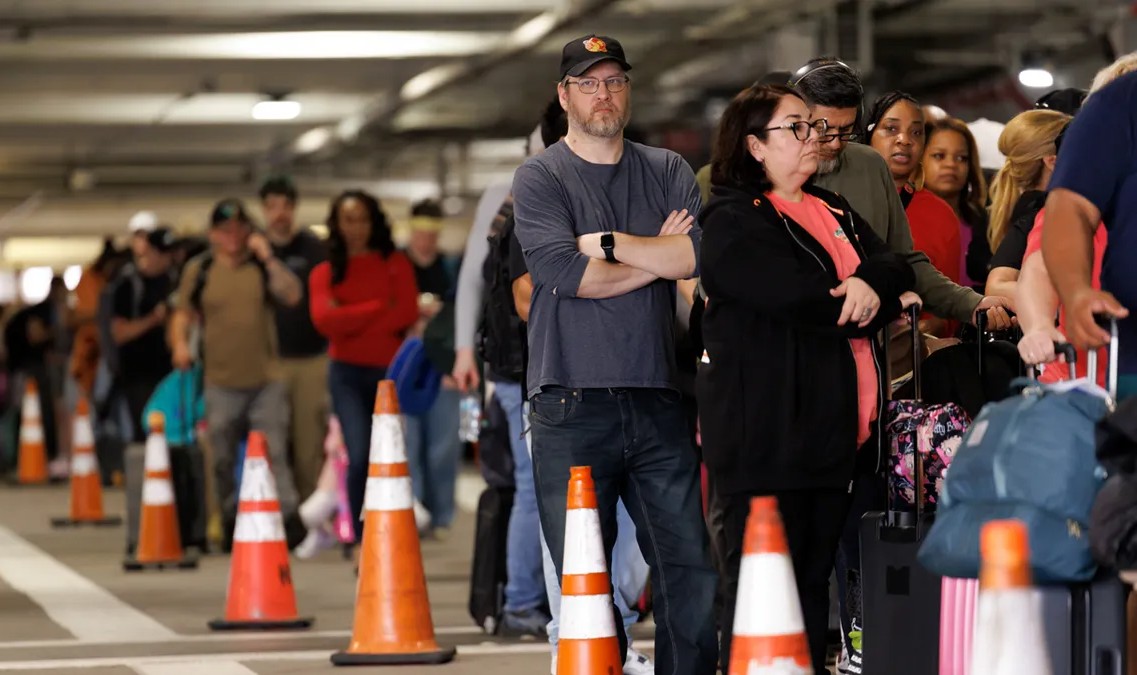
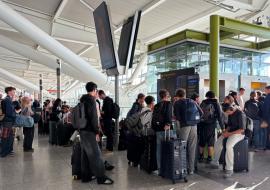
A mounting staffing crisis within the Transportation Security Administration (TSA) has brought several major U.S. airports to a virtual standstill today, with wait times at security checkpoints reaching an agonizing three hours.
The delays are primarily concentrated at high-volume hubs such as Atlanta, Miami, and Chicago, where the combination of peak Spring Break traffic and federal funding uncertainties has left checkpoints severely under-manned. Many travelers are reporting missed flights despite arriving at the terminal several hours in advance, leading to a "chaotic environment" as airlines scramble to rebook thousands of displaced passengers.
The Department of Homeland Security has acknowledged that the "stress on the system" is reaching a breaking point, as the absence of a long-term budget has impacted the agency’s ability to maintain overtime shifts. This "operational thinning" is happening at the worst possible time, as travel demand for the month of March is currently tracking 10% higher than the previous year. Airports are now advising passengers to utilize digital tools and mobile apps to monitor "live wait times" and to arrive at least four hours early for domestic departures to avoid the worst of the checkpoint gridlock.
In response to the crisis, some airports are experimenting with appointment-based security programs, allowing travelers to reserve a specific time slot for screening. However, these programs have limited capacity and are being overwhelmed by the sheer volume of unprepared travelers who are arriving without reservations. The TSA is also urging more passengers to enroll in PreCheck or CLEAR to alleviate the pressure on standard lanes, though even these "expedited" services are seeing wait times exceed 45 minutes in some locations.
The disruptions are causing a "cascading effect" throughout the aviation network, as flight crews also find themselves delayed by the security bottleneck. This has led to a spike in gate holds and late departures, further complicating the schedules of airlines already struggling with rerouted airspaces and high fuel costs. Industry analysts warn that if the federal funding issues are not resolved by the weekend, the "travel paralysis" could spread to secondary airports, creating a national transit crisis during one of the year’s busiest weeks.
Experts recommend traveling with only a carry-on bag to avoid additional lines at the check-in counter and to have all travel documents and identification ready well before reaching the front of the line. The current situation has highlighted the "fragile nature" of the nation's transportation infrastructure, which remains highly susceptible to political and economic shifts even as passenger volumes continue to hit record highs.
As the day progresses, Miami International Airport and Hartsfield-Jackson Atlanta have both issued "Critical Delay Alerts," advising those with flexible plans to consider rebooking their flights for later in the week. Travelers are also being warned to watch out for AI-driven travel scams that are taking advantage of the confusion to sell fraudulent "expedited security passes." The goal for the industry remains the safe and orderly movement of people, but today, that goal is being tested by a "perfect storm" of logistical and financial pressures.