Tower Failure and Ground Chaos: Inside the Fatal LaGuardia Runway Collision
Federal investigators are currently dissecting a catastrophic breakdown in communication and technology that led to the first fatal accident at LaGuardia Airport in over three decades.
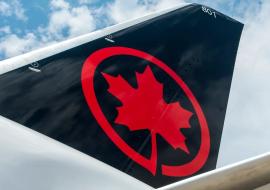
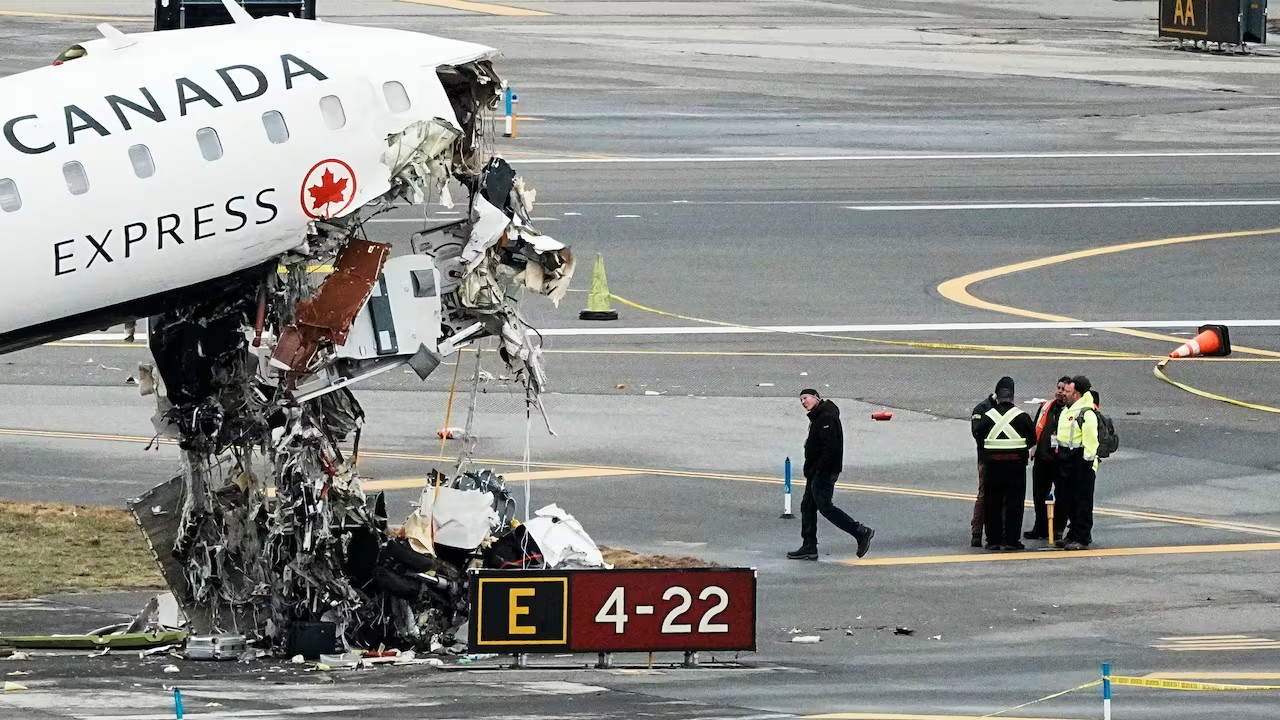
On the night of March 22, 2026, Air Canada Express Flight 8646, a Bombardier CRJ900 arriving from Montreal, collided with a massive Oshkosh Striker 1500 firefighting truck on Runway 4. The impact sheared off the nose of the aircraft, killing both Canadian pilots and sending dozens of passengers to local trauma centers.
The National Transportation Safety Board (NTSB) has shifted its focus to the LaGuardia control tower, where only two controllers were on duty during a period of intense operational workload. While a two-person overnight shift is standard practice, investigators found the tower was managing a "heavy" volume of traffic due to earlier weather delays. At the time of the crash, the team was simultaneously coordinating an emergency response for an unrelated United Airlines flight reporting a suspicious odor, a distraction that may have played a critical role in the tragedy.
The Final Seconds: A Timeline of Error
According to the Cockpit Voice Recorder (CVR), the sequence of events that led to the disaster unfolded in less than three minutes. The Air Canada pilots received clearance to land nearly two minutes before touchdown. However, just 25 seconds before the collision, the driver of Truck 1 requested to cross the active runway to reach the other emergency. In a move that Chairwoman Jennifer Homendy called "preliminary but concerning," a controller granted that request while the jet was only 100 feet above the ground.
The investigation revealed that the tower attempted a frantic, last-second correction, shouting "Stop, Truck 1!" just nine seconds before impact. By then, the Bombardier jet was already touching down at approximately 100 mph. Security footage shows the aircraft striking the rear-right side of the fire truck, causing the multi-ton vehicle to roll over as the plane’s cockpit was decimated.
Systemic Failures and Missing Tech
A central question for the NTSB is why the airport's ASDE-X surveillance system, designed specifically to prevent runway incursions, failed to trigger an automated alarm. The investigation has confirmed a startling technical gap: the Port Authority fire truck was not equipped with a transponder. Without this device, the sophisticated radar system could not accurately track the vehicle's position or predict the impending collision.
"Our aviation system is built on multiple layers of defense," said NTSB Chair Jennifer Homendy. "In this instance, it appears every single layer failed simultaneously."
The investigative team is also looking into a "stepped on" radio transmission that occurred about a minute before the crash. An overlapping signal from another aircraft may have muffled a critical communication from the fire truck, further confusing the controllers. Investigators are now preparing to interview the surviving firefighters and the tower staff to determine if fatigue or procedural errors contributed to the fatal "I messed up" admission captured on ATC audio.
The Human Cost
The victims have been identified as 30-year-old Captain Antoine Forest and 38-year-old First Officer Mackenzie Gunther. Their "incredible reflexes" in applying maximum braking have been credited by surviving passengers for preventing a larger fire or total hull loss. Among the survivors, a flight attendant named Solange Tremblay remains in stable condition after being thrown from the aircraft during the severing of the forward fuselage.
As Runway 4 remains a graveyard of twisted metal and debris, the NTSB preliminary report is expected within 30 days. The findings are already sparking a national debate over ATC staffing levels and the mandatory requirement for transponders on all airport ground equipment. For now, the investigation continues to piece together how a routine landing in the heart of New York City turned into a scene of industrial carnage.