American Airlines Completes the "Big Three" Checked Bag Fee Hikes
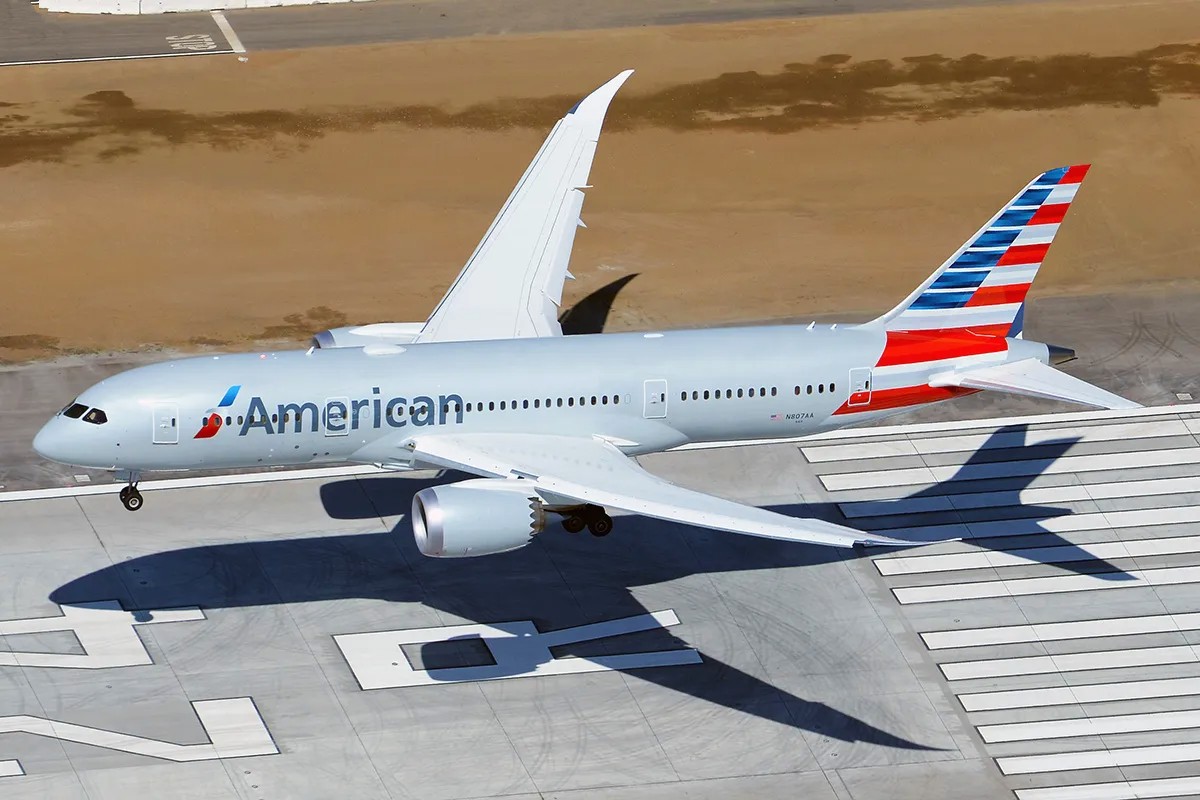
Following the lead of its primary competitors, American Airlines officially raised its domestic checked baggage fees today to navigate a "volatile operating environment."
For flights within the U.S., Canada, and short-haul international destinations, the cost for a first checked bag has jumped to $50, while a second bag now carries a $60 price tag. This move marks the final alignment among the "Big Three" U.S. carriers, as United and Delta implemented nearly identical increases earlier this week to combat the doubling of jet fuel prices over the last 45 days.
The "revenue-generation strategy" is a direct response to global oil prices hitting $4.25 per gallon for jet fuel, far exceeding the $2.50 average that most 2026 airline budgets were predicated upon. Unlike some international carriers that have opted for temporary surcharges, American carriers are utilizing ancillary fees to protect their "bottom-line profitability" without raising base fares. Interestingly, while most airlines offer a $5 discount for digital prepayment, Alaska Airlines notably eliminated its prepayment incentive today as part of its own fee restructuring.
For the 2026 traveler, this industry-wide shift effectively establishes $100 to $110 as the "new standard" for round-trip baggage costs on legacy carriers. To mitigate the impact on consumer sentiment, American Airlines also announced the "fleetwide rollout" of free high-speed Wi-Fi, attempting to balance the new costs with improved "in-flight value."
However, analysts warn that price-sensitive travelers may increasingly pivot toward "ultra-low-cost carriers" or opt for "basic economy" fares that offer zero flexibility. The "cost of travel" continues to be "redefined by energy costs," forcing passengers to "scrutinize every add-on" before checkout.