Power to the Passengers: Viral Crowdfunding Effort Seeks to Resurrect Spirit Airlines
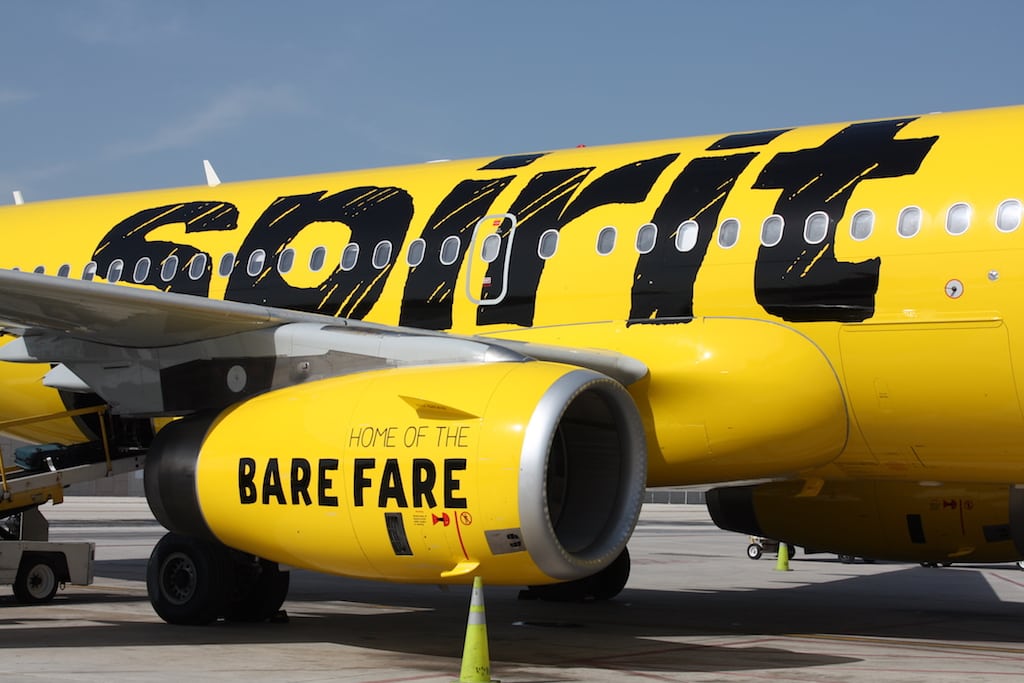
In the wake of Spirit Airlines’ abrupt shutdown on May 2, a grassroots movement has exploded across social media, aiming to relaunch the defunct carrier as a publicly owned entity.
Dubbed Spirit 2.0, the initiative was sparked by content creator Hunter Peterson, who proposed a "people-powered" buyout of the airline’s remaining assets. Within 48 hours of the carrier’s liquidation announcement, the campaign’s website, LetsBuySpiritAir.com, reported over $132 million in non-binding pledges from more than 124,000 supporters, briefly crashing the site’s servers due to overwhelming traffic.
The ambitious campaign seeks to raise a total of $1.75 billion, a figure modeled after the capital required to navigate a bankruptcy court bid and secure DOT certification. Peterson has pitched the venture as a way to liberate the airline from Wall Street debt and private equity firms, which he claims "gutted" the original company for parts. The proposed ownership model is inspired by the Green Bay Packers, where a broad base of shareholders—rather than a single billionaire or hedge fund—would hold voting rights, ensuring that the ultra-low-cost model remains focused on consumer affordability.
Despite the viral enthusiasm, the Spirit 2.0 effort faces immense operational hurdles and skepticism from aviation analysts. Currently, the $132 million consists entirely of non-binding pledges, meaning no actual capital has been transferred to an escrow account. To participate in the upcoming liquidation auction in mid-June, the group would need to transform these digital promises into hard cash and form a credible legal entity. Security experts also note that running a commercial airline requires specialized technical expertise and a "Certificate of Public Convenience and Necessity," a process that can take over a year for a new entrant.
The movement has gained traction as a direct response to the Trump administration's failed $500 million bailout attempt, which collapsed after bondholders refused to support the deal. Many disenchanted travelers view the crowdfunding effort as the last hope for preserving budget travel in a market where jet fuel prices have skyrocketed due to the Iran war. The campaign’s minimum pledge of $45—the historical cost of an average Spirit ticket—has resonated with a middle-class demographic that feels increasingly priced out of the aviation sector.
While legacy carriers like United Airlines and American Airlines have already begun moving to secure Spirit’s valuable airport slots at hubs like Fort Lauderdale and Orlando, the "Spirit 2.0" organizers are urging the Department of Transportation to pause the redistribution of these assets. They argue that a publicly owned airline would provide a unique competitive check on the industry, preventing a return to the high-fare environment of the past. However, without a formal investment vehicle in place, the group’s legal standing in bankruptcy proceedings remains tenuous.
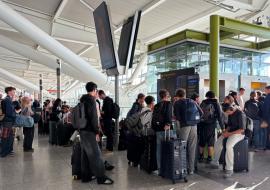
As the June deadline for a binding offer approaches, the Spirit 2.0 campaign stands as a testament to the power of digital communities to challenge traditional corporate structures. Whether this effort results in a fleet of yellow planes returning to the skies or remains a symbolic protest against aviation consolidation is yet to be seen. For the 17,000 terminated employees and millions of stranded passengers, the viral campaign represents a glimmer of possibility in what has otherwise been a somber month for American aviation.