Southern Africa Warns of Severe Flight Disruptions as Fuel Stocks Wane
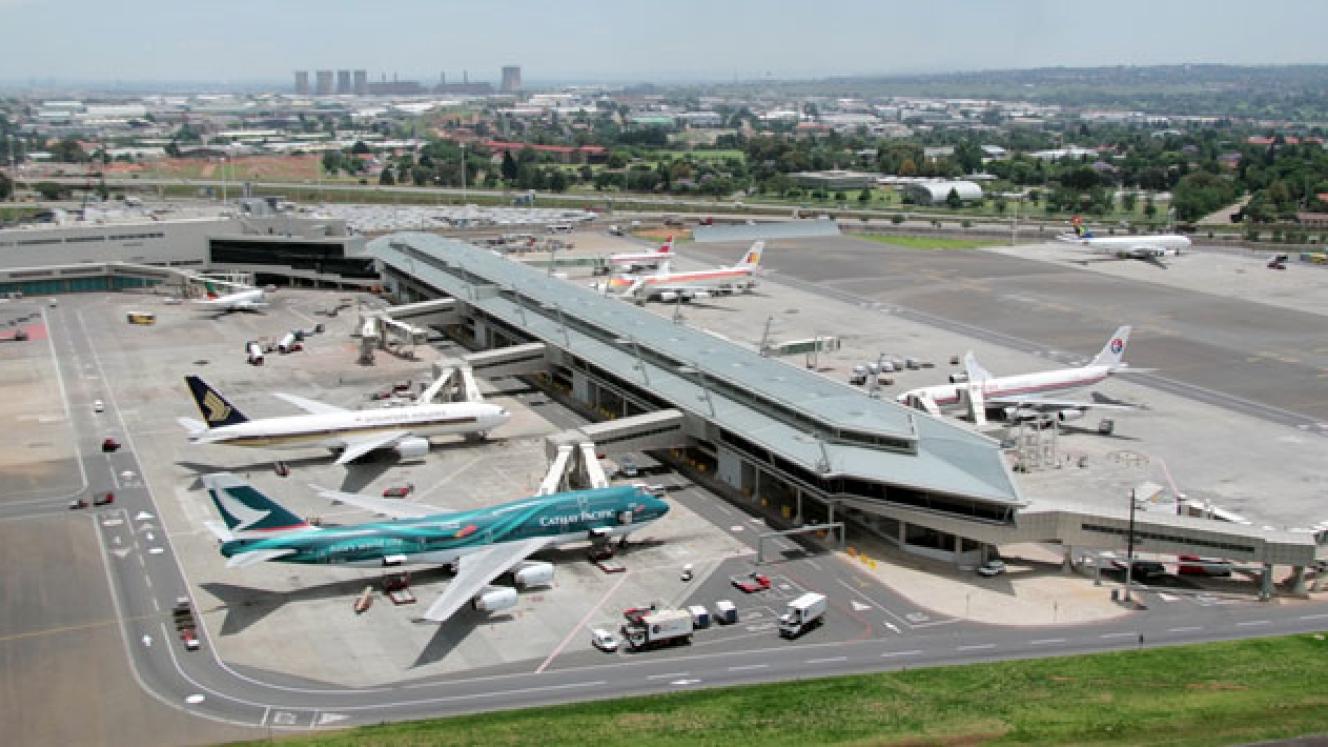
The Airlines Association of Southern Africa (AASA) issued a dire warning today, stating that jet fuel availability beyond May 2026 has reached a state of critical uncertainty.
CEO Aaron Munetsi urged regional governments to provide immediate transparency regarding fuel allocation and distribution plans to avoid a total systemic collapse of flight schedules. The region, which is heavily dependent on imported crude oil, is seeing its strategic reserves dwindle as the Middle East conflict continues to block primary shipping lanes.
This supply-side shock is a mechanical necessity for airlines to re-evaluate their long-term network viability. Munetsi emphasized that carriers require at least a six-week horizon of fuel certainty to fulfill their obligations to customers and maintain operational safety. Without this visibility, airlines are "operating in the dark," and the financial strain is already manifesting through unprecedented fuel surcharges and the consolidation of regional routes to conserve remaining stocks.
Including South Africa and Namibia, the risk of sudden cancellations is at its highest level in decades. The cost of travel has already surged, as jet fuel now accounts for up to 40% of total operating costs for many regional carriers. Industry leaders warn that even if the Strait of Hormuz blockades were lifted today, it would take several months for refinery output and distribution chains to return to their pre-crisis levels.
The aviation crisis is expected to have a "cascade effect" on the broader regional economy, impacting the movement of pharmaceuticals, e-commerce, and perishable exports. As the transport of goods and people slows, the cost of living in landlocked southern African nations is projected to rise. The AASA is calling for urgent collaboration between fuel suppliers, airports, and navigation service providers to eliminate any operational waste that contributes to unnecessary fuel burn.
As the May deadline approaches, the industry is bracing for a "hard landing" if contingency plans are not finalized. Travelers are being urged to reconfirm flight status frequently and to anticipate longer travel times as planes are forced to make extra technical stops for refueling in more stable regions. The 2026 energy crisis has officially turned fuel security into the most valuable currency in global aviation.