Severe Post-Holiday Network Backlog Triggers 4,500 Domestic Flight Disruptions
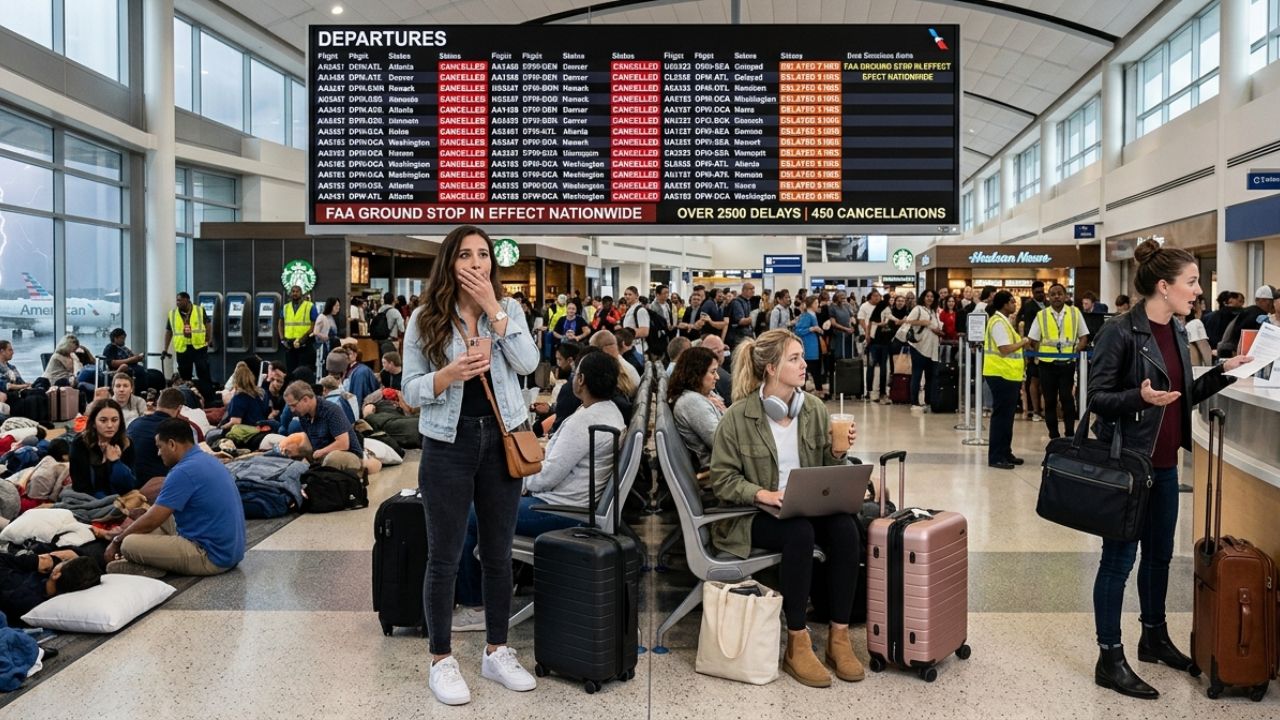
The highly anticipated post-holiday recovery for the United States aviation network failed to materialize today, as carriers face a severe structural gridlock.
Tracking data from FlightAware confirms that the domestic system is absorbing approximately 4,430 flight delays and 116 cancellations before the evening rush. This post-holiday operational failure marks Day 56 of the ongoing, post-Easter domestic aviation crisis, officially solidifying this period as the second-longest continuous disruption streak in modern American history, exceeded only by the sweeping emergency groundings of the pandemic era.
The stubborn persistence of these delays is a mechanical necessity to address severe, cumulative crew fatigue that has built up over nearly two months of constant rerouting. Under strict Federal Aviation Administration (FAA) regulations, flight crews are bound by rigid mandatory rest periods between active duty shifts, leaving schedulers with almost no human buffer. When aircraft are out of position due to preceding weather events, crews quickly hit their legal duty-hour ceilings, creating a cascading deficit of available personnel. The primary driver behind the "delayed" stamps on airport departure boards today remains this invisible human resource bottleneck.
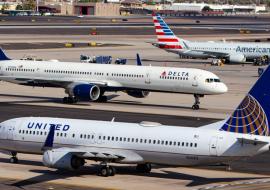
The financial and operational pain is distributed heavily across the nation's largest legacy hub operators, with American Airlines leading the delay metrics at over 511 disrupted segments. Concurrently, United Airlines recorded the highest volume of outright cancellations, a deficit that severely impacted transatlantic departures heading to vital European hubs like Frankfurt and London Heathrow. Other major operators, including Delta Air Lines and its regional partners SkyWest and Endeavor Air, are similarly struggling to reposition fleets, proving that the traditional post-holiday breathing room has been completely erased by systemic strain.
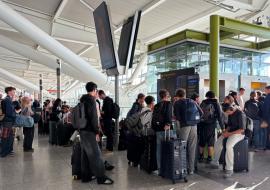
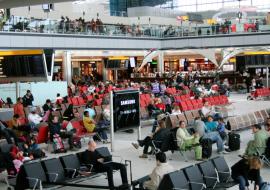
Geographically, the epicenter of today's terminal congestion has consolidated across major transit gateways, including Dallas-Fort Worth (DFW), Houston Bush Intercontinental (IAH), and Atlanta Hartsfield-Jackson (ATL). At DFW alone, more than 360 flights faced substantial scheduling setbacks, leaving thousands of connecting passengers stranded in terminal concourses. Aviation safety analysts note that terminal infrastructure is being pushed past its designed capacity, with ground crews working extended shifts to manage baggage routing amidst constantly shifting gate assignments.
The broader corporate travel sector is reacting with extreme caution as this crisis enters its ninth consecutive week without a clear path toward stabilization. Major corporate travel managers have begun advising business clients to cross-reference their itineraries using advanced digital flight tracking apps to check the physical location of their inbound aircraft tail numbers before departing for the airport. Furthermore, airlines are quietly expanding mobile self-service booking options to absorb the massive volume of customer service requests, as traditional phone support lines face wait times exceeding three hours.
As the industry transitions directly into the peak summer travel season, the lack of operational resilience raises serious red flags for upcoming global traffic spikes. Independent aviation economists project that the financial toll of this multi-week disruption will heavily impact second-quarter carrier yields due to ballooning passenger accommodation costs and excessive fuel burn from extended holding patterns. For now, commercial aviation networks remain highly fragile, leaving travelers with little choice but to prepare for extended transit times and potential mid-route cancellations.