Meliá Hotels International Concludes 36-Year Era with Complete Departure from Cuba
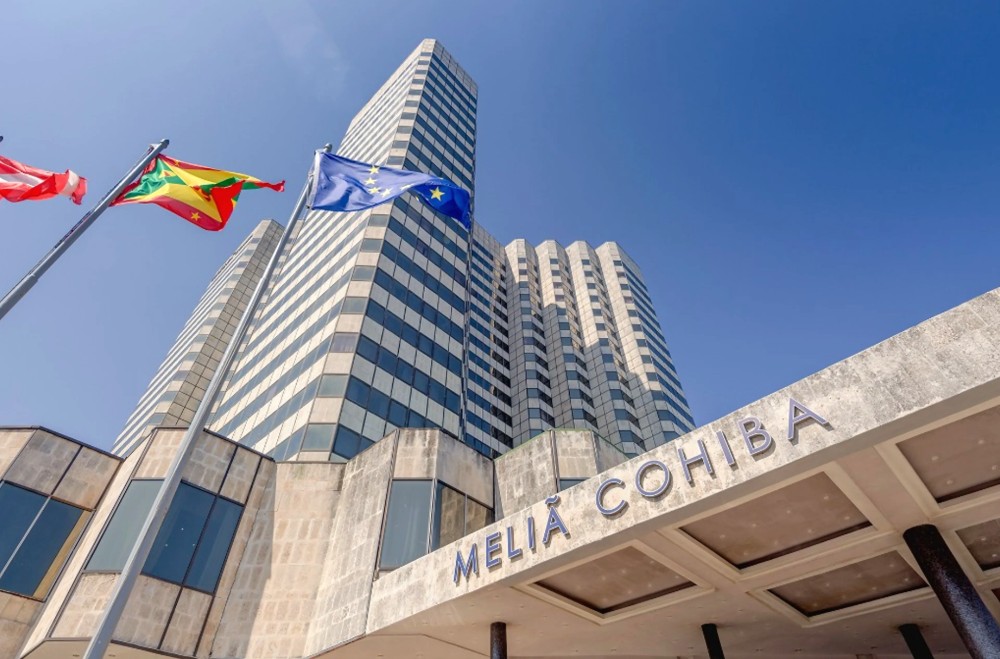
Meliá Hotels International officially announced its permanent and total withdrawal from Cuba, bringing an end to 36 years of continuous operations on the island.
The Spanish hotel giant confirmed to the National Commission of the Securities Market that its Portuguese subsidiary, Ilha Bela Gestão e Turismo, will completely cease all hotel management, commercialization, and brand licensing services across all remaining properties. This definitive exit follows an initial partial pullback earlier in the year and marks the complete dismantling of a major foreign operational footprint that once encompassed 34 properties and nearly 14,000 rooms.
Company executives attributed this drastic measure to mounting and persistent operational challenges, severe legal hurdles, and profound economic and financial instability within the country. For months, the multinational chain had struggled against the severe impacts of the island's chronic energy crises, critical shortages of essential supplies, and an increasingly restricted financial framework.
Compounding these domestic pressures, international regulatory measures—most notably strict economic enforcement protocols directed at state-linked commercial conglomerates—severely restricted the operator's maneuvering room, making standard commercial viability impossible to sustain.
The departure of the prominent European chain leaves the state-controlled tourism infrastructure in a state of deep uncertainty. The physical hotel properties, which are legally owned by Cuban state entities, will revert entirely to local administrative control, though the absence of an experienced international partner poses a massive challenge for future maintenance and service standards.
Observers note that this exit underscores a broader, deepening crisis within the national tourism sector, which has faced steep declines in international visitor volumes and growing difficulties in attracting foreign investment under the current administrative climate.
Despite the abrupt end to its physical presence, the corporation has emphasized that it will implement an ordered transition protocol designed to mitigate the immediate impacts on local employees, regional suppliers, and international patrons. The precise financial fallout of this total liquidation, including potential adjustments to asset book values, will be formally disclosed during the upcoming release of the company's mid-year financial results.
For an organization that pioneered international luxury hospitality in the Caribbean starting with the opening of its flagship Varadero property in 1990, closing this chapter means a sobering realignment of corporate strategy in the face of complex geopolitical realities.