Catania Airport Calls Off Operations for Third Straight Day Due to Mount Etna Ash Eruptions
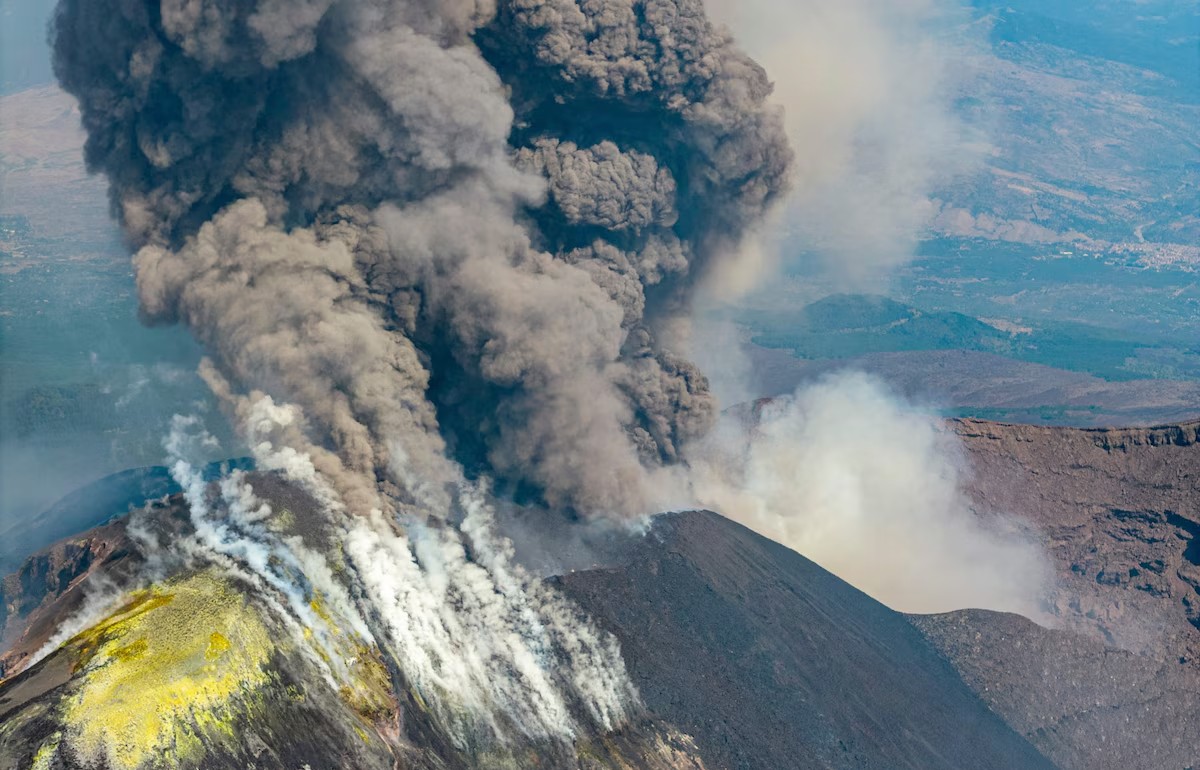
Commercial aviation across southern Italy has experienced severe disruptions following the prolonged closure of Catania-Fontanarossa Airport due to heavy volcanic ash eruptions.
Airport authorities confirmed that ongoing explosive activity from Mount Etna, Europe's most active stratovolcano, has blanketed local runways and surrounding airspace with abrasive particulate matter, forcing a mandatory suspension of all incoming and outgoing flights for a third consecutive day.
The emergency closure has affected tens of thousands of international and domestic passengers, stranding travelers across primary Sicilian transport hubs and prompting widespread flight cancellations by major European carriers. Aviation safety inspectors emphasized that operating jet aircraft through dense volcanic ash plumes poses catastrophic risks to turbine engines and flight control systems, leaving airport management with no alternative but to maintain a strict flight ban.
Regional tourism associations and hotel operators warned that the extended operational paralysis threatens peak-season hospitality revenue across eastern Sicily, a vital economic engine for the island's tourism sector. Local chambers of commerce reported immediate logistical bottlenecks as alternative transit methods, including regional ferries and long-distance rail services, struggle to absorb the surge of displaced travelers seeking mainland connections.
Aeronautical meteorological units continue to monitor real-time atmospheric telemetry and wind patterns to determine when ash dispersion will allow for safe runway cleanup and inspection protocols. Airport officials noted that maintenance crews are mobilized around the clock to clear fine mineral deposits from taxiways, lighting systems, and aircraft parking aprons once volcanic activity subsides sufficiently.
Transportation economists emphasize that this disruption highlights the persistent vulnerability of Mediterranean transport infrastructure to natural geological hazards and seismic events. As aviation authorities coordinate emergency response strategies with national civil protection agencies, restoring safe regional connectivity remains the immediate priority for all stakeholders involved in the Sicilian transport network.