Massive Cruise Boom Sparks Multi-Million Dollar Port Modernization Across the Caribbean
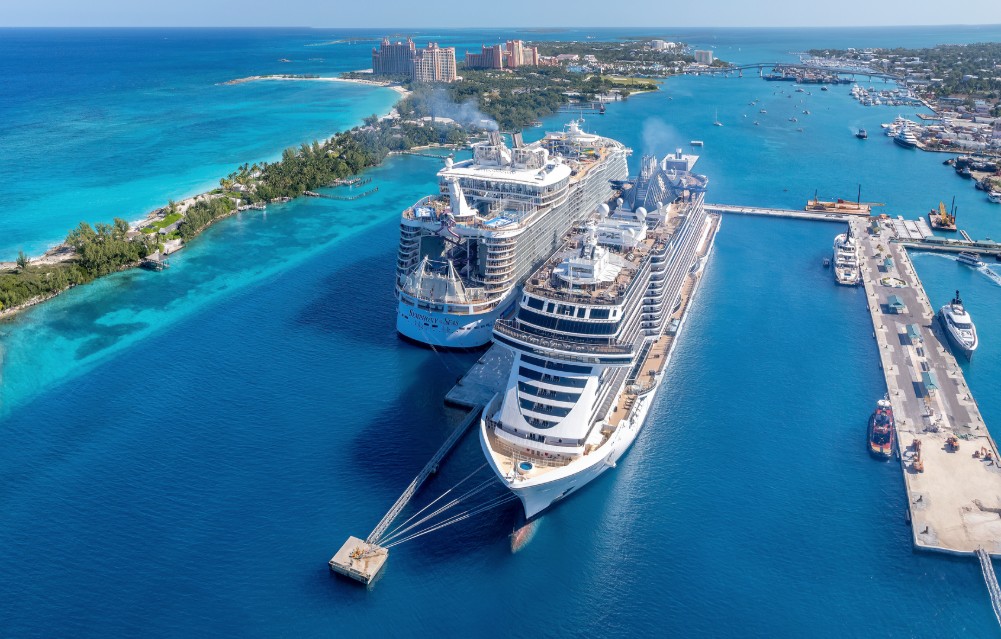
The Caribbean cruise industry is experiencing an unprecedented summer expansion, triggering a massive wave of infrastructure development as strategic regional hubs race to modernize their marine terminals.
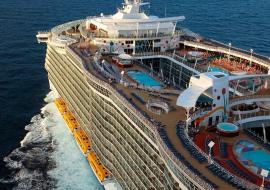
The continuous deployment of massive next-generation vessels, boasting carrying capacities that frequently surpass 6,000 passengers, has forced destination ports in Antigua, the Bahamas, and San Juan to significantly scale up operations to prevent heavy pedestrian bottlenecking and maintain a premium guest experience.
The transformative economic ripple effects extend far beyond the perimeter fencing of local maritime terminals. Destination cities have aggressively initiated urban redevelopment programs to reshape historic downtown corridors, integrating advanced public transit linkages and widening pedestrian-only zones to absorb the immense morning influx of disembarking vacationers. Industry analysts report that coordination between global cruise lines and municipal ministries has reached an all-time high, aiming to synchronize off-ship excursions with everyday urban traffic patterns to preserve local quality of life.
Digital Borders and Biometrics Accelerate Passenger Processing
Port developers are prioritizing cutting-edge tech integration alongside heavy civil engineering to streamline structural efficiency:
Biometric Security Gates: Terminals are aggressively rolling out advanced facial recognition software and electronic identity verification systems to overhaul customs lanes. This high-tech framework slashes processing times from hours to just a few minutes per family unit.
Pier Infrastructure Expansion: Major investments are actively reinforcing concrete docks and deepening approach channels to safely accommodate mega-liners without risking vessel hulls or disruptive harbor silt displacement.
Urban Transit Hub Integration: Local tourism boards are directly embedding dedicated ground transportation centers inside the main customs halls, allowing specialized tour buses to load and depart without spilling over into residential street grids.
Strategic Infrastructure Investment Shapes Competitive Itinerary Planning
The ongoing structural overhaul carries high stakes for regional economies heavily dependent on maritime tourism dollars. Global cruise lines heavily prioritize port efficiency and rapid vessel turnaround times when cementing their multi-year route itineraries. Caribbean destinations that fail to expand their docking infrastructure risk complete exclusion from highly lucrative primary cruising corridors.
However, this explosive growth is placing severe pressure on existing municipal management systems. The sudden concentration of thousands of daily visitors is forcing local authorities to enforce far more rigid environmental regulations to handle unprecedented surges in local solid waste and wastewater treatment demand.
To offset these mounting ecological overhead costs, several port authorities are implementing restructured environmental tariffs on incoming passengers, creating dedicated long-term funding mechanisms designed to safeguard local natural resources while securing the long-term economic sustainability of the regional cruise market.