Diplomatic, Tourism Tensions Mount as LGBTQ+ Cruise Faces Port Rejections
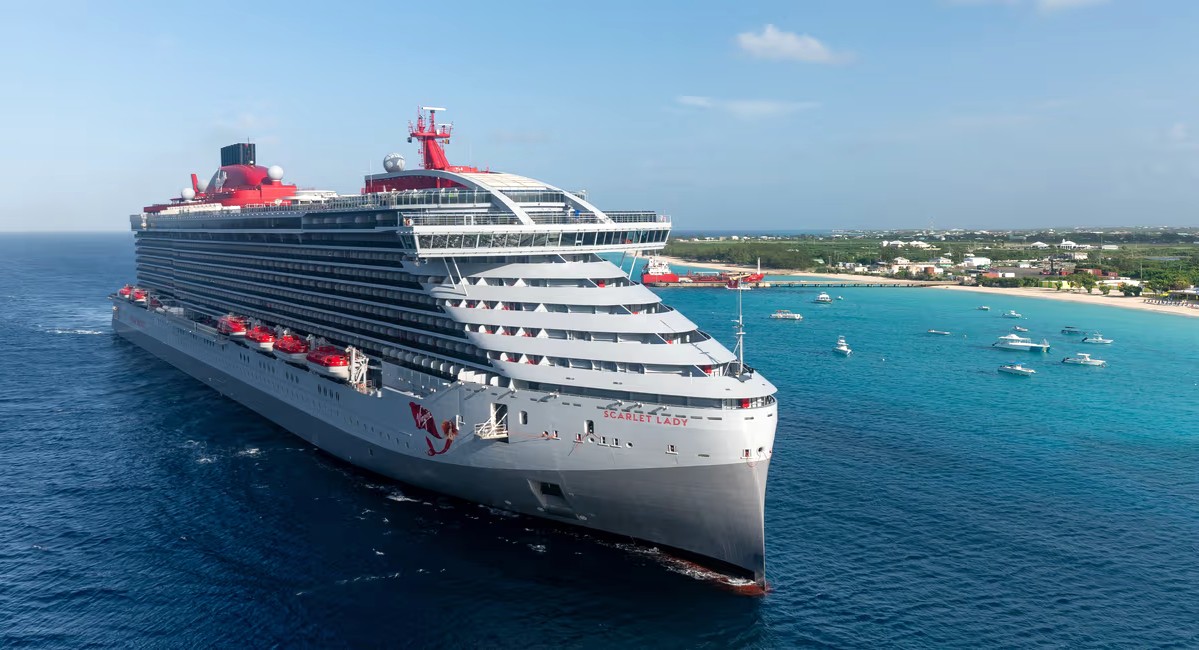
A high-profile maritime voyage has unexpectedly transformed into a flashpoint for international tourism and diplomatic relations. The Scarlet Lady, a cruise ship operated by Virgin Voyages and chartered by Atlantis Events, was recently denied entry to scheduled ports in both Türkiye and Egypt.
Carrying approximately 2,000 passengers from the LGBTQ+ community and featuring a performance by Broadway icon Patti LuPone, the vessel’s planned itinerary was abruptly upended, sparking a tense debate regarding freedom of movement and the future of inclusive tourism in sensitive geopolitical regions.
The odyssey began in Athens, Greece, with high expectations for a ten-day journey, but soon faced institutional obstacles. Upon attempting to dock in the Turkish ports of Kuşadası and Istanbul, organizers were met with a firm refusal from authorities. Officials claimed the nature of the voyage did not align with the country's social structures and moral values. Undeterred, the team at Atlantis Events sought to recalibrate their route toward Egypt, only to encounter an identical administrative blockade just hours before the ship was scheduled to receive its docking clearance.
Rich Campbell, the CEO of Atlantis Events, voiced deep concern over the arbitrary nature of these decisions. Despite his company maintaining an unblemished record of successful operations in these regions for over 25 years—including 13 previous visits to Turkey and five to Egypt—the sudden shift in government stance caught the organizers off guard. Campbell emphasized that the vessel is not a political vessel but a standard tourism operation, and he expressed frustration that international travelers are now subject to such unpredictable restrictions based solely on their identity.
The exclusion has triggered indignation among both the passengers and the performers on board. Patti LuPone, whose presence was a highlight of the cruise, used her social media platform to denounce the rejection as an unacceptable act of discrimination. She emphasized that while the rejection in Turkey and Egypt was deeply disappointing, the ship’s commitment to its guests remains steadfast. The cruise has since opted to alter its course, continuing the voyage by visiting alternative ports that remain open to all travelers, thereby refusing to let the incident derail the experience for those on board.
Industry experts are watching the development with growing concern, as it threatens to complicate the landscape for global travel companies. For an industry that prides itself on being a neutral, open space for exploration, the recent actions in Istanbul and Alexandria mark a troubling departure from the welcoming environment that characterized these destinations in years past.