Global Aviation Deliveries Reach Eight-Year High as Order Backlogs Hit Record Levels
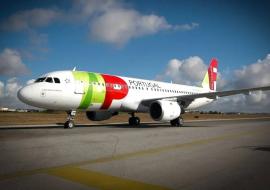
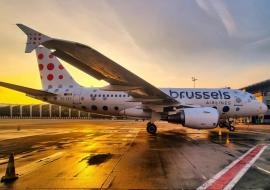
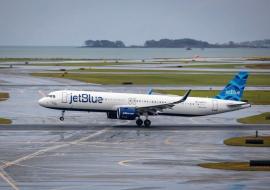
The global aviation sector has entered the second half of 2026 from a position of renewed strength, with aircraft deliveries hitting their highest level since 2018.
A total of 673 commercial aircraft were delivered in the first half of the year, representing a 13% increase compared to the same period in 2025. Furthermore, order books for Airbus, Boeing, and Comac have reached a record-breaking backlog of 16,925 aircraft, signaling profound confidence among airlines in the long-term outlook for global passenger traffic.
Demand for new aircraft is particularly strong in the single-aisle market, which saw a record 1,074 orders in the first six months of the year, a 59% increase year-on-year. This demand reflects the efforts of airlines to modernize their fleets with more fuel-efficient models, helping to manage rising operating costs and meet new carbon emission standards. Widebody aircraft orders also remained steady, with 257 orders, reflecting a balanced approach as carriers look to expand both short-haul and long-haul capacities.
The industry’s outlook is further supported by projections that the global fleet will grow by 80% to over 50,000 airplanes by 2045. Boeing’s latest market analysis emphasizes that air travel remains a cornerstone of the global economy, with demand forecasted to double over the next two decades. This growth is being driven by the expansion of low-cost carriers, which are expected to increase their fleets at a faster rate—nearly 4% annually—compared to traditional network carriers.
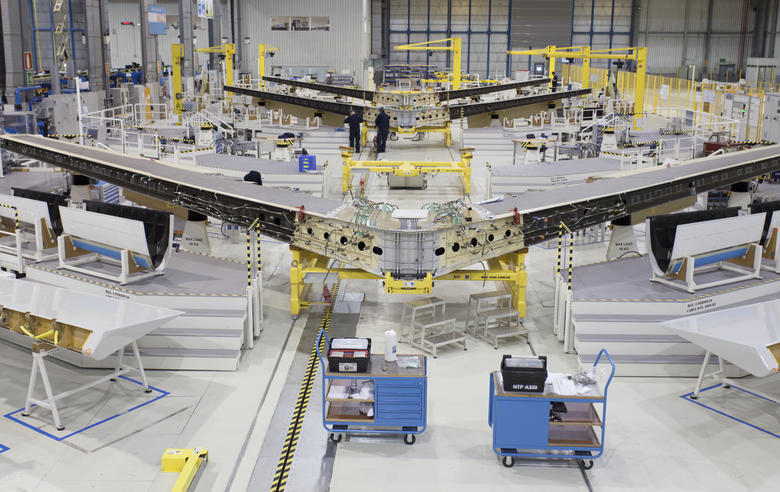
Despite this optimistic growth, the industry faces ongoing challenges related to supply chain constraints and the need for policy certainty, such as recent steel trade measures that could impact manufacturing costs. Nevertheless, the record order backlog is estimated to be worth nearly £400 billion to the UK economy alone, demonstrating the massive economic scale of the aviation supply chain. Manufacturers are now focused on scaling production rates to ensure these aircraft can be delivered on time to waiting airline clients.
Aviation’s resilience is further underscored by the strong performance of air cargo, which has seen international capacity increase by 5% year-to-date, outperforming broader trade and economic growth figures. This versatility allows carriers to maintain profitability even when passenger travel faces short-term disruptions, as seen in certain Middle Eastern routes. The ability of airlines to dynamically adjust their routes and focus on high-demand, point-to-point markets is currently the industry’s greatest strength.
Ultimately, the aviation sector is moving toward a more modern, efficient, and larger global footprint. By 2045, it is estimated that less than 10% of previous-generation aircraft will remain in service, signifying a complete transition to newer, more sustainable technology. As the industry continues to gather momentum, the focus will remain on technological innovation and operational agility to meet the doubling of global air traffic demand.