Historic Water Level Drops Puts European River Cruise Season's in Danger
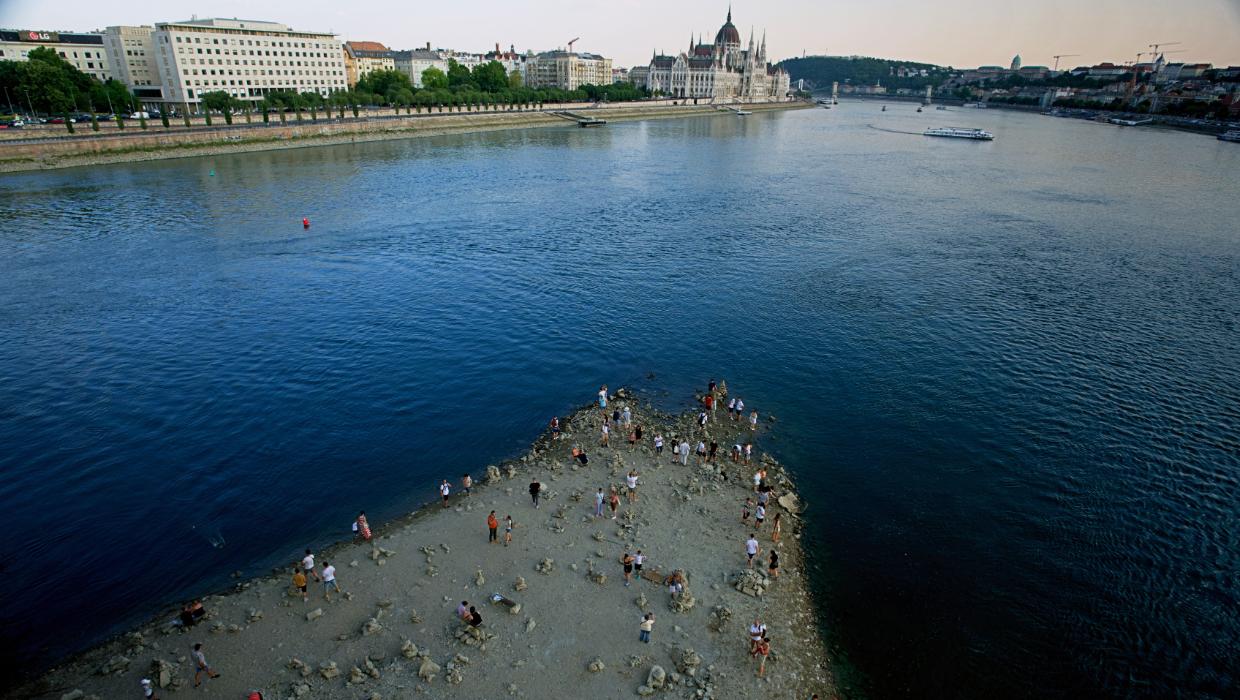
A severe water crisis driven by prolonged dry spells and extreme summer heatwaves has triggered historic low water levels across the Rhine and Danube rivers, placing the European river cruise season under severe operational pressure.
Industry executives and hydrological authorities report that declining depths across major European waterways are forcing widespread itinerary modifications, passenger transfers, and strategic route suspensions.
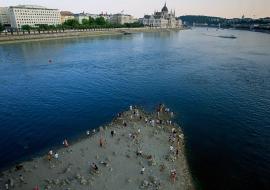
The environmental constraints are impacting critical navigation sectors throughout Central Europe and the Balkans, with the Danube experiencing strict administrative limitations across key stretches near Budapest, Mohács, and Giurgiu. Simultaneously, declining reference gauges along the Rhine—particularly around traditional chokepoints in Germany—have restricted commercial barge traffic and complicated standard navigation schedules for specialized passenger vessels.
Faced with these persistent hydrological challenges, major river cruise operators are increasingly deploying contingency measures to safeguard guest experiences without resorting to total cancellations. Standard protocols now frequently involve coordinated ship swaps, where passengers are transferred between identical vessels stationed across shallow sectors, alongside the utilization of luxury motorcoaches for targeted sightseeing segments.
Travel industry analysts emphasize that these recurrent climate-induced disruptions are transforming low-water management from an occasional anomaly into a permanent operational variable for European tourism. Turoperators and retail travel agencies are being forced to adapt proactively, establishing flexible booking frameworks and enhanced communication channels to manage passenger expectations amidst rapidly shifting river conditions.
Despite the logistical hurdles threatening peak-season profitability, shipping associations confirm that collaborative emergency planning between river authorities and commercial lines is maintaining baseline connectivity where possible. Industry stakeholders maintain that long-term resilience will depend heavily on fleet modernization, including the design of ultra-shallow draft vessels capable of navigating increasingly volatile European waterways.