Advanced Airport Infrastructure Overhauls Optimize International Flight Routing
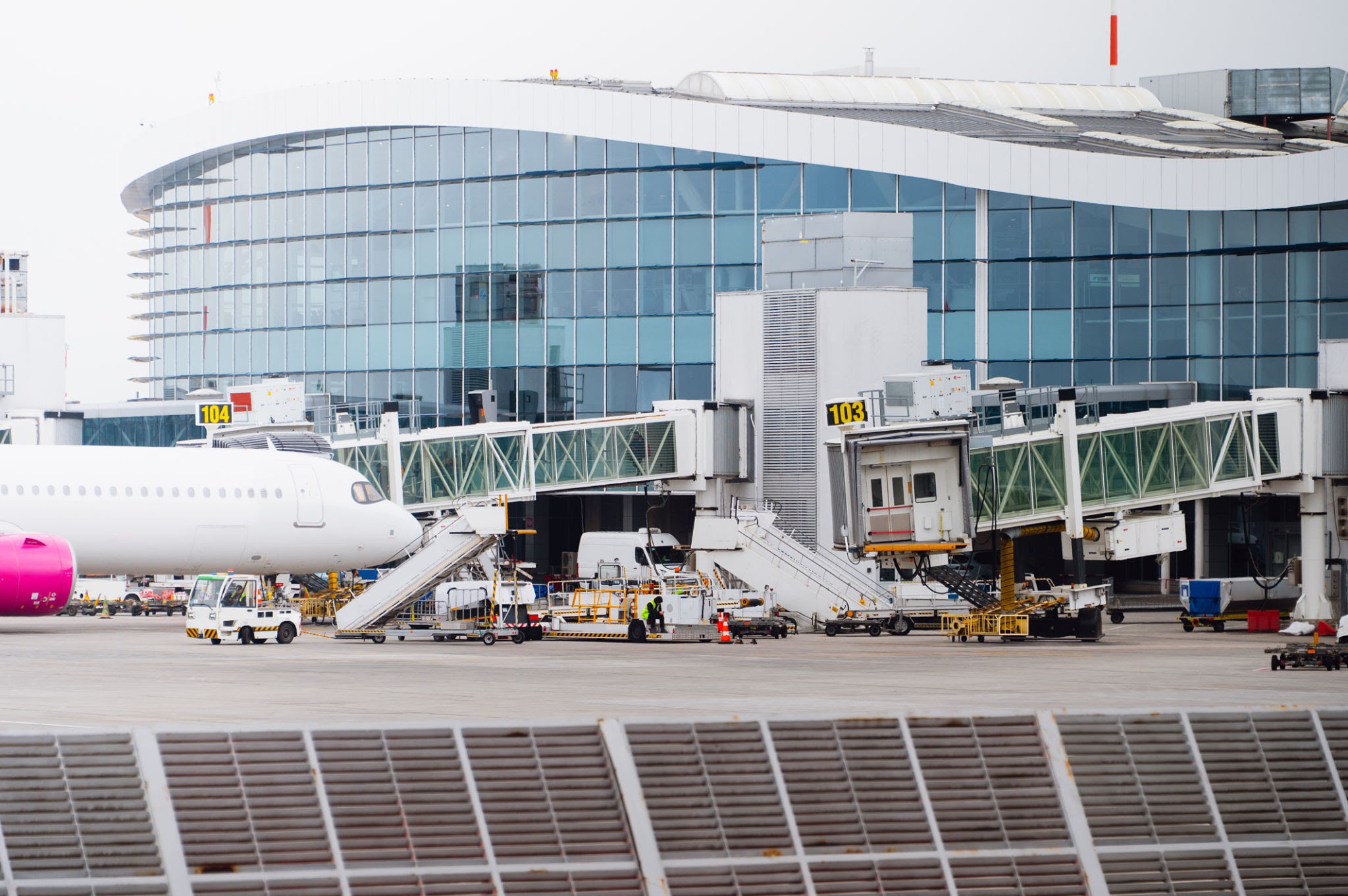
Major international aviation hubs are embarking on an unprecedented wave of structural modernizations to accommodate a massive influx of transcontinental passengers.
Airport authorities across the globe are deploying multi-billion-dollar capital allocation programs to redesign legacy terminal layouts and expand active runway capacities. The primary objective of these sweeping infrastructure overhauls is to drastically minimize passenger travel friction while maximizing daily slot allocations.
Industry analysts point out that traditional check-in halls and security checkpoints are being systematically replaced by integrated, tech-forward transit spaces. The rapid deployment of advanced biometric screening gates allows international travelers to clear complex border protocols without experiencing prolonged delays. This seamless transition from landside to airside environments significantly enhances the overall passenger experience while optimizing terminal traffic flow during peak departure windows.
Network planners for major commercial airlines are closely aligning their long-haul scheduling models with these freshly upgraded airport layouts. By concentrating widebody fleet operations at modernized mega-hubs, carriers can offer vastly improved interlining connectivity for passengers moving between different continents. This strategic focus on hub-and-spoke efficiency allows network airlines to reclaim market share from low-cost competitors operating disjointed point-to-point networks.
Beyond passenger-facing improvements, the current construction boom heavily targets the modernization of backend airside logistics and baggage handling systems. High-speed, automated sorting networks utilizing radio-frequency identification technology are drastically reducing instances of mishandled luggage across intricate multi-leg itineraries. This behind-the-scenes efficiency ensures that tight minimum connection times remain highly viable, even during unexpected operational disruptions or severe weather delays.
Financing for these massive engineering undertakings relies heavily on structured public-private partnerships and targeted infrastructure bonds. Institutional investors are drawn to the predictable, long-term revenue streams generated by airport retail concessions and premium airline landing fees. As terminals morph into comprehensive lifestyle destinations featuring upscale dining and luxury retail pavilions, non-aeronautical revenue has emerged as a critical contributor to airport financial stability.
As global air traffic volumes continue to test the absolute boundaries of historical capacity, the pressure to execute these spatial optimizations remains intense. Municipalities that delay necessary airfield expansions risk facing immediate economic isolation as major carriers redirect lucrative long-haul routes to more advanced neighboring facilities. Continuous capital investment in aviation infrastructure has solidified its position as a core requirement for sustaining regional economic competitiveness.