
Preliminary Probe Reveals Critical Flaws in Amazon Air Accident in Miami
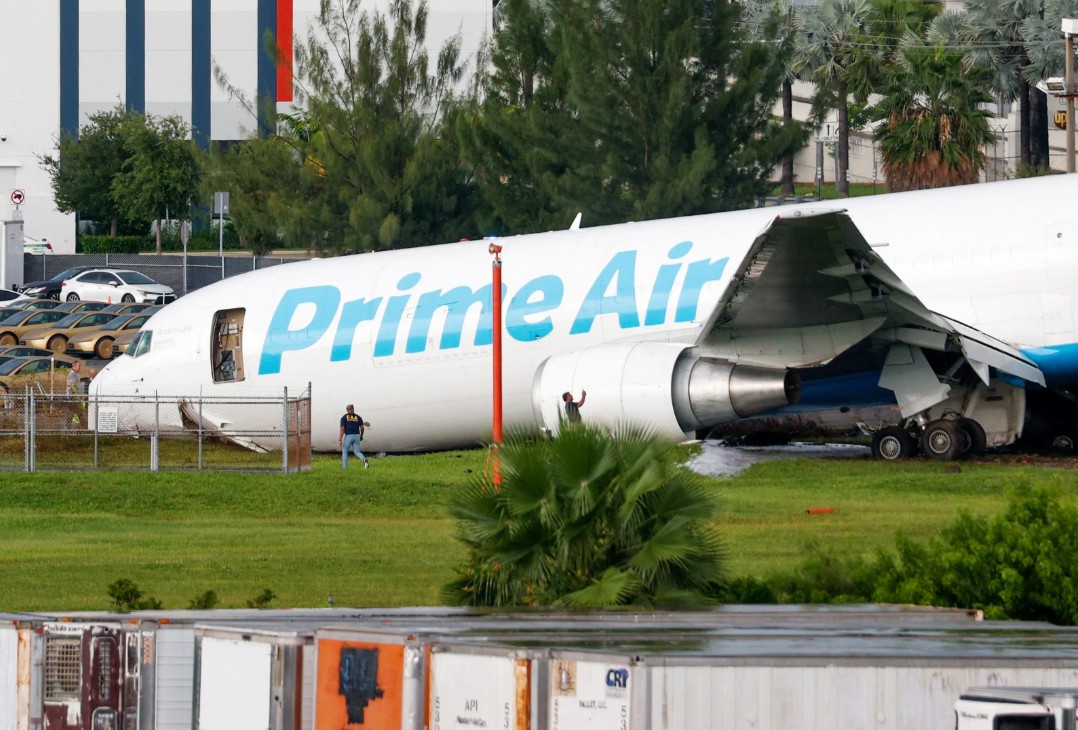
A rigorous operational review is underway across the commercial aviation sector following confirmation that a preliminary investigation has identified critical flaws in navigation systems that may have directly contributed to the Amazon cargo aircraft accident at Miami International Airport. Federal transport inspectors reported that the synchronization of flight instruments exhibited significant technical irregularities during the final approach to the terminal's primary runway, triggering national emergency protocols to secure regional airspace security in the hours following the operational disruption.
Experts charged with the technical analysis of the flight data recorder indicated that adverse weather conditions affecting the Miami airspace played a secondary role compared to the apparent misconfiguration of the automated speed control system operating within the cargo plane's cockpit.
According to initial official reports released by the transportation safety board, the flight crew attempted to correct the descent trajectory manually after receiving multiple audible alerts on the central panel, although engine response failed to compensate for the loss of aerodynamic lift experienced in the final 300 meters of altitude prior to impact near the perimeter zone of the airport infrastructure.
In light of the grave preliminary findings, aviation authorities have ordered the immediate inspection of all operating fleets of similar models belonging to the electronic commerce enterprise to rule out recurring mechanical anomalies in avionics and assisted flight control systems.
Logistics corporate leadership expressed full cooperation with investigative teams and temporarily suspended night routes assigned to this specific terminal while completing technical certification tests mandated by federal regulators and international air control agencies.
The economic repercussions of the incident quickly registered on stock markets, where company shares experienced a moderate contraction during the opening Wall Street session, driven by uncertainty surrounding potential delays in global deliveries and the financial cost of mandatory audits imposed on the air transport network.
Sector analysts estimate that the temporary grounding of these cargo units will impact distribution chain efficiency for at least 3 weeks, forcing high-priority shipments toward alternative ground routes and secondary airports across the eastern seaboard.
Aviation labor organizations seized upon the tragic episode to demand a comprehensive review of work shifts and rest protocols for commercial pilots operating overnight cargo flights, arguing that accumulated fatigue can impair reaction capabilities during critical emergency situations.
Meanwhile, federal administration officials pledged to release a definitive technical report within 90 days, serving as the basis for updating airworthiness certification regulations and preventing future accidents at major continental logistical hubs.