Fast-Food Expansion Sparks Cultural Debate across Alpine Ski Resorts in Italy
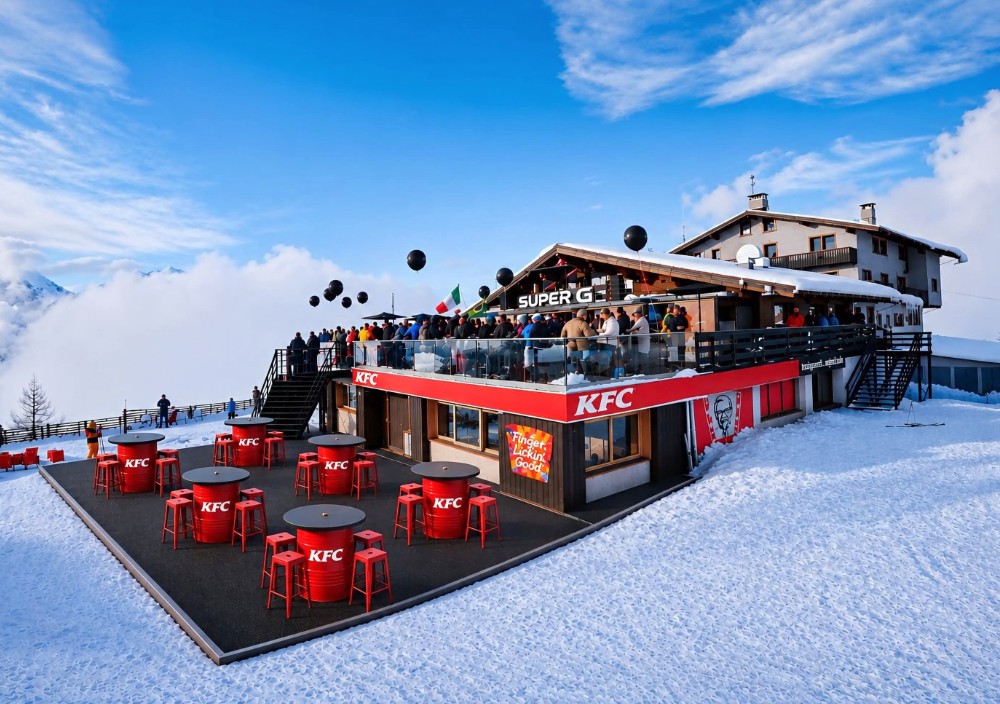
The planned introduction of menu items from the prominent American fast-food corporation KFC into premier winter resorts across the Italian Dolomites has ignited a passionate controversy regarding the preservation of alpine culinary heritage and architectural traditions.
Local investors, environmental advocates, and traditionalists have voiced strong opposition against corporate commercialization, highlighting the growing tensions between modern tourism expansion and regional cultural identity.
Initial promotional announcements suggesting the construction of standalone fast-food franchises in iconic high-altitude locations prompted immediate backlash from community leaders and conservation groups.
In response to the mounting public scrutiny, local management partners clarified that the initiative does not involve constructing new commercial buildings, but rather incorporates a limited selection of brand items into existing cafeteria menus within historic alpine lodges.
Despite these operational clarifications, prominent stakeholders and regional cultural advocates continue to criticize the initiative, warning that introducing mass-market fast food into fragile mountain ecosystems threatens authentic local gastronomy.
Defenders of alpine traditions emphasize that visitors should experience regional culinary specialties rather than standardized corporate offerings while exploring high-altitude ski destinations.
Corporate representatives defended the commercial strategy by explaining that the limited product integration aims to diversify dining options and attract younger family demographics seeking convenient meal choices during active ski days.
The rollout forms part of a broader expansion strategy designed to increase the brand's footprint across domestic markets through flexible partnership models in high-traffic tourist zones.
The ongoing controversy reflects broader debates surrounding overtourism and commercial homogenization within sensitive mountain environments. Balancing modern consumer demands with the rigorous protection of local cultural heritage remains essential for sustaining the long-term integrity of alpine destinations.