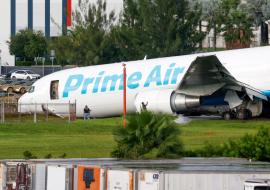
Airlines Keep Withdrawing from Venezuela
Venezuela is secluded from all the major connectivity to the major countries due to the political unrest and the collapsing economy.
Jeanne Costes was stranded in Caracas, the capital city of Venezuela for nearly weeks, one of thousands of people is affected by a withdrawal of foreign airlines due to the unrest in Venezuela.
The 26-year-old French tourist residing in Peru had flown in from Paris with a connecting flight booked to Bogota. But her airline was Colombia’s Avianca, which suspended its Venezuela flights just as she arrived in Caracas.
Venezuela is losing its economic base from 2014 and from that time the pulling of the foreign airlines began. Since then, the country has seen a drought of US dollars, hard currency which the government has been monopolizing since 2003 with currency controls. As a result, the airlines have a massive pile of US$3.8 billion owed to them but stuck in Venezuela.
With no way of repatriating their income, most of the airlines last year stopped accepting Venezuela’s currency, the Bolivar, for ticket purchases, demanding only dollars. It was made as the Boliviar is losing its value.
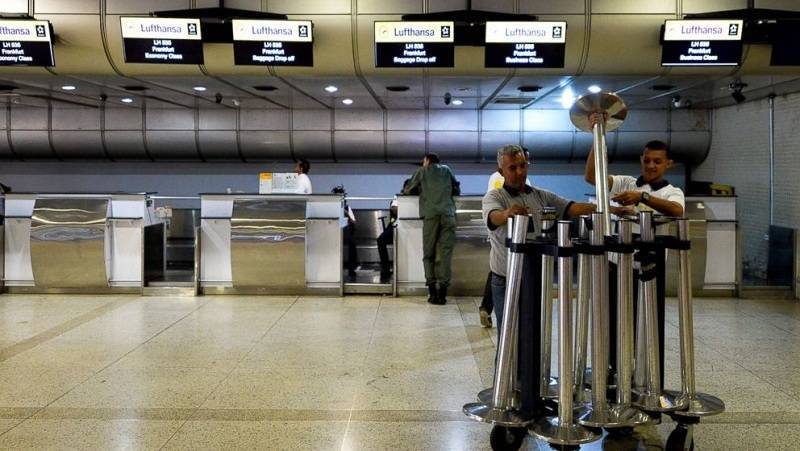
Between 2014 and 2015, Air Canada, Aeromexico, Alitalia, LAN from Chile, Brazil’s TAM and Gol, and Tiara from Aruba ceased their services from the airports of Venezuela. Last year, Dynamic from the United States and Germany’s Lufthansa followed the suit and the services are terminated.
This year has seen Avianca, Delta and United abandon Venezuela. Aerolineas Argentinas’ flights became irregular from August 9, when the airline started deciding week-to-week whether to fly to Caracas.
The Panamanian company Copa Airlines remains the main airline in Venezuela carrying on almost as usual. But its outward flights from Caracas are overbooked weeks in advance, in all classes, but its inbound ones are half-empty.
Despite the industry wariness, no problems had been reported with Venezuela’s air control, runway conditions or aircraft fuel supplies. However, the tariffs for using the country’s airports or flying through its airspace were significantly higher than in other countries in the region.
According to Henry Harteveldt, a travel industry analyst heading the Atmosphere Research Group, the current situation of Venezuela is grim and may become worse unless there is a change in Venezuela’s leadership. Venezuela is an unstable country right now.
No airline CEO will put her or his colleagues’ lives at risk, or risk having aircraft worth tens, possibly hundreds, of millions of dollars caught up in a country that could possibly collapse.