U.S. Tightens Entry Rules with Expanded Travel Ban Affecting More Countries
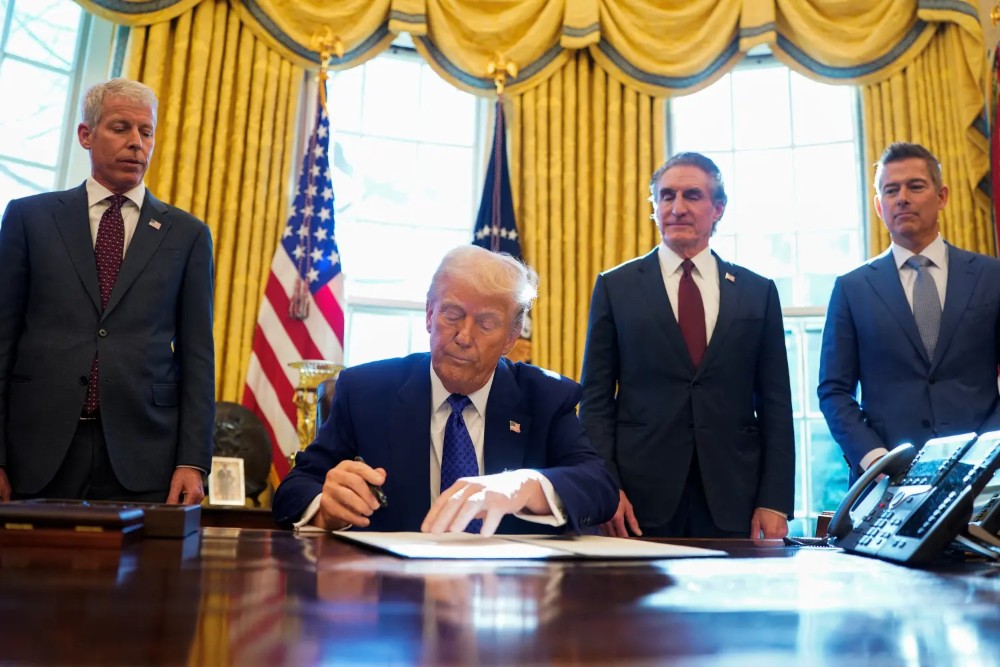
The administration of Donald Trump has announced a new expansion of the U.S. travel ban, adding more countries to the list of nations whose citizens face full or partial restrictions when entering the United States. The move signals a renewed hardening of immigration policy, with national security once again at the center of the government’s justification.
Under the updated rules, travelers from Burkina Faso, Mali, Niger, South Sudan, and Syria are now completely barred from entering the United States. The decision follows comments by the president after a Washington, D.C. shooting over the Thanksgiving weekend, in which he pledged to reinforce immigration controls in response to security concerns.
The order also imposes a total restriction on individuals traveling with documents issued by the Palestinian Authority, as well as on travelers arriving from Laos and Sierra Leone, further widening the scope of existing entry limitations.
In addition, citizens from 15 countries will face partial bans or additional entry restrictions. These include Angola, Antigua and Barbuda, Benin, Côte d’Ivoire, Dominica, Gabon, Gambia, Malawi, Mauritania, Nigeria, Senegal, Tanzania, Tonga, Zambia, and Zimbabwe, according to the updated policy framework.
This latest expansion builds on an initial travel ban announced in June, which already affected travelers from Afghanistan, Myanmar, Chad, the Republic of the Congo, Equatorial Guinea, Eritrea, Haiti, Iran, Libya, Somalia, Sudan, and Yemen, along with specific restrictions for citizens of Burundi, Cuba, Laos, Sierra Leone, Togo, Turkmenistan, and Venezuela.
While the measure stops short of the 30-country ban previously suggested by the president, it represents a significant escalation of U.S. entry controls, with direct consequences for international travel flows and potential ripple effects across the tourism and aviation industries as airlines and destinations brace for increased complexity heading into 2026.