UN Tourism, TUI Launch "Rural Empowerment" Initiative in Africa
Addressing the "social equity" of the global travel sector, UN Tourism (formerly UNWTO) and the TUI Care Foundation announced a groundbreaking partnership today to support artisans and rural entrepreneurs across the African continent.
The initiative, unveiled during the final hours of the ITB Berlin summit, provides direct funding and "technical assistance" to five major NGOs. These organizations will help local communities integrate into the global tourism value chain, ensuring that "visitor dollars" directly support the "preservation of local heritage."
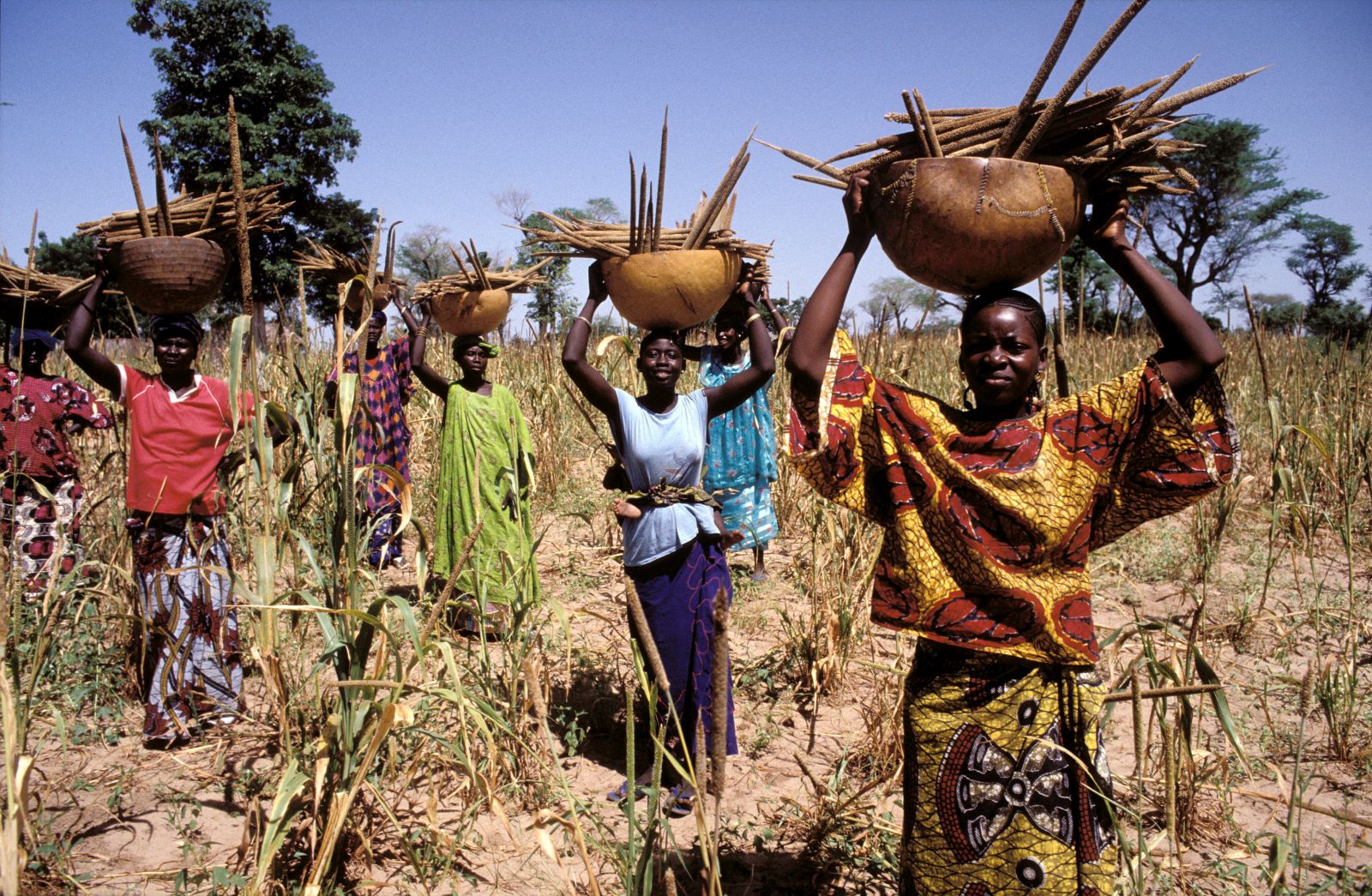
By providing "digital literacy training" and "market access" to rural craftspeople, the program seeks to eliminate the "middlemen" who often capture the bulk of tourism revenue. Local artisans in countries like Senegal, Kenya, and Morocco will be taught how to market their goods directly to international guests through "verified digital platforms." This "Economic Sovereignty" is a cornerstone of the program, which aims to create "sustainable livelihoods" for over 10,000 regional artists by the end of 2027.
The program is a primary pillar of the "Tourism 5.0" strategy, which emphasizes "inclusive growth" and "circular economics" over mere arrival numbers. As travelers in 2026 increasingly seek "Authentic Immersion," they are looking for "meaningful souvenirs" with a "documented origin story." This initiative helps create a "verified network" of rural experiences, allowing travelers to visit "working studios" and "heritage farms" with the confidence that their presence is "regenerative" rather than "extractive."
For the 2026 adventurer, this means better access to the "Best Tourism Villages" network, a UN-led initiative that identifies rural locations with "outstanding cultural and natural assets." Travelers can now book "instruction-based stays" where they learn traditional weaving, pottery, or "organic farming" from local masters. This "knowledge-exchange" model is proving to be a "major draw" for the impact-conscious traveler, who views their "vacation spend" as a "political and ethical choice."
The TUI Care Foundation has committed to a "multi-year funding cycle" to ensure the program's longevity. This includes the development of "local cooperatives" that can manage tourist flows without overwhelming the "social fabric" of the village. By "de-centralizing" the African tourism model, the partnership aims to reduce the "pressure on capital cities" like Nairobi and Marrakesh, distributing the "economic benefits" of the industry to the most "vulnerable and remote" areas of the continent.
As the program rolls out, the UN Tourism office will provide "impact reports" to demonstrate the "reduction in rural poverty" directly linked to these tourism projects. The message to the global explorer is that your "African safari" or "cultural trek" can now be a "force for good." By choosing "TUI-verified" rural experiences, travelers are becoming "investors in the future" of African heritage.