Sicily’s "Slow Food" Revolution Drives Surge in Culinary Tourism
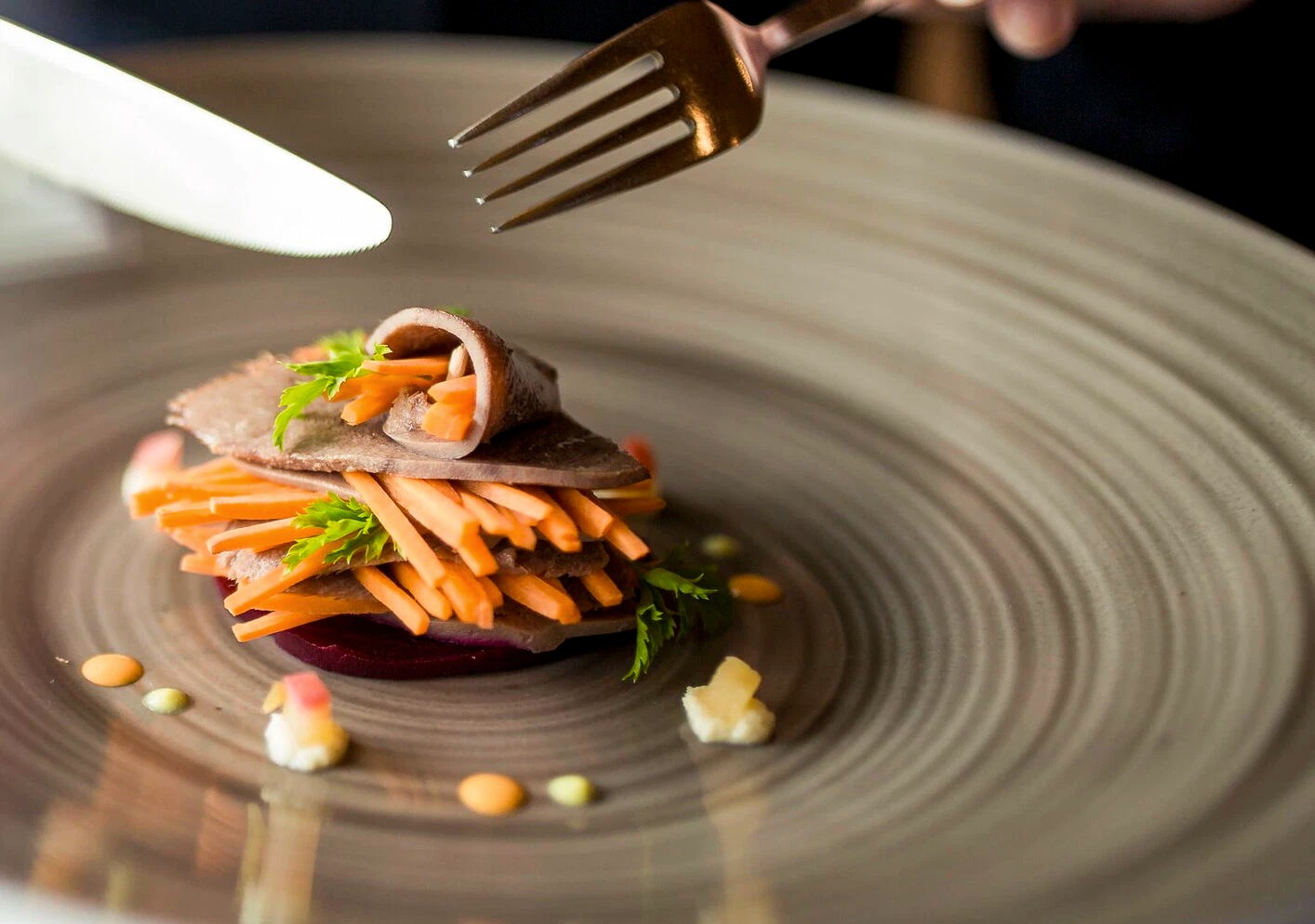
A "gastronomic awakening" is taking place in the southeast corner of Sicily, where the tiny cities of the Noto Valley are seeing a record-breaking surge in culinary tourism.
Travelers are flocking to the region not just for its Baroque architecture, but for a "slow food" culture that emphasizes hyper-local ingredients and ancient recipes. This movement, which prioritizes "quality over quantity," is being hailed as the "perfect antidote" to the fast-paced, digital-heavy travel trends of 2026, offering visitors a "somatic connection" to the land through its unique flavors.
The region’s success is built on a network of "agriturismos" and family-run trattorias that have rejected industrial food systems in favor of "seasonal harvests" and heritage breeds. Visitors are being encouraged to "eat little and often," a strategy that allows them to taste the biodiversity of the island without the "exhaustion of overconsumption." This "tactical tasting" has turned the cities of Modica, Ragusa, and Noto into a "living laboratory" for the future of sustainable food tourism, attracting a new generation of "food-first" explorers.
This surge in interest is being driven by social media influencers and short-form video creators who have "demystified" the local food scene for a global audience. Platforms like TikTok have seen a "900% increase" in searches for Sicilian food rituals, with "shelf discovery"—the act of exploring local grocery stores for authentic bites—becoming a major travel trend. For the 2026 traveler, the "souvenir of choice" is no longer a postcard, but a jar of locally-pressed olive oil or a bar of "cold-processed chocolate" from Modica.
To accommodate the influx of "food-motivated visitors," local authorities have launched the "Sicilian Flavor Trail," a curated map of "verified authentic" producers and restaurants. This initiative aims to protect the integrity of the local brand while ensuring that "tourism dollars" directly support the farmers and artisans who maintain the island’s traditions. The goal is to avoid the "tourist traps" that have plagued other Italian regions, keeping the culinary experience as "grounded and honest" as possible.
The "economic impact" of this culinary boom is revitalizing the rural interior of the island, where abandoned farmhouses are being converted into "luxury boutique stays" centered around cooking schools and "wine cellars." This "rural regeneration" is providing new opportunities for young Sicilians to stay in their communities, blending traditional knowledge with modern "hospitality management." For the global explorer, Sicily now offers a "complete sensory journey" that is both "intellectually and physically nourishing."
As the world continues to grapple with geopolitical and economic uncertainty, the "simple pleasures" of a Sicilian meal represent a powerful draw for those seeking "authenticity and peace." The message from the Noto Valley is that the "best way to see the world" is through its kitchens and markets. Whether it’s a bowl of pasta alla Norma or a simple piece of "crusty sourdough," the food of Sicily is proving to be the "most resilient and persuasive" ambassador for the island’s future.