Los Angeles Plans First Vertiport for Air Taxis Ahead of 2028 Olympic Games
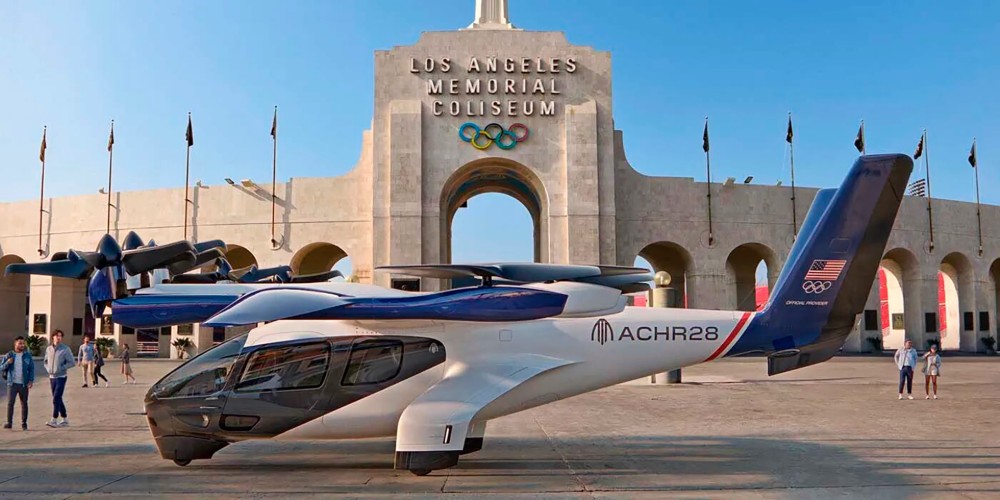
Los Angeles is moving forward with an ambitious overhaul of its urban mobility infrastructure by planning the construction of its first dedicated vertiport, strategically timed to debut before the 2028 Olympic and Paralympic Games.
The project is spearheaded by a collaborative initiative between Archer Aviation and AEG, aiming to establish a transformative transportation network in one of the most traffic-congested metropolitan regions in the United States.
The proposed facility will be integrated into the prominent L.A. LIVE entertainment district in downtown Los Angeles, serving as a core terminal for fleets of electric vertical takeoff and landing aircraft. Company executives project that these advanced air taxi services will drastically cut down ground transit times, turning arduous vehicle commutes that typically take up to 2 hours into swift, 10 to 20 minute aerial flights.
Industry representatives emphasize that the initiative forms part of a broader regional strategy to connect key sporting venues, major airports, and regional tourism hubs without adding further strain to conventional highway systems. Alongside downtown connections, proposed routes are expected to link travelers directly to coastal enclaves such as Newport Harbor in Orange County, facilitating efficient access for visitors seeking recreational excursions.
Despite the rapid technological momentum, implementation timelines remain dependent on rigorous regulatory oversight. Official commercial operations are contingent upon receiving final airworthiness certifications from the Federal Aviation Administration (FAA), alongside close coordination with municipal agencies to establish comprehensive operating frameworks and safety protocols prior to the global athletic event.
As preparations continue, transportation analysts view the project as a critical testing ground for commercial urban air mobility worldwide. Successfully deploying an electric air taxi ecosystem during the 2028 Games could permanently reshape public transit expectations and establish a pioneering blueprint for sustainable high-density travel corridors globally.