
The Rise of Lore Chasing and Snackpacking: How Gen Z is Redefining the 2026 Global Tourism Landscape
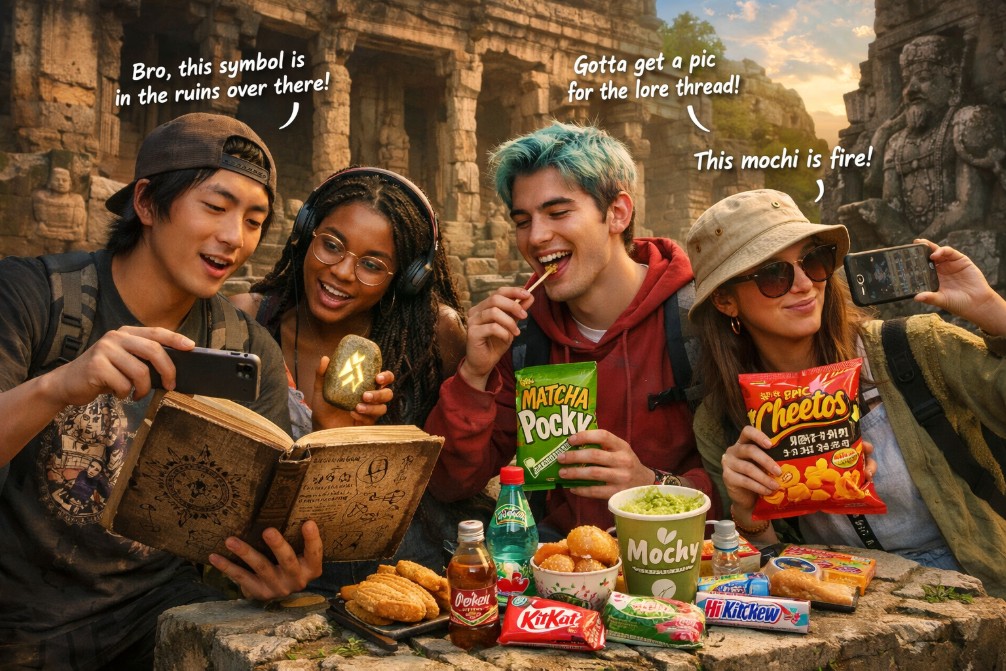
The recently released 2026 Global Travel Trends Report from American Express has officially identified Lore Chasing and Snackpacking as the dominant travel motivations for Millennials and Gen Z. This shift represents a move away from traditional sightseeing toward a highly curated, experiential economy. Travelers are no longer content with visiting famous landmarks; they are seeking to build personal narratives through their surroundings.
Lore Chasing is defined by a prioritization of unexpected accommodations and once-in-a-lifetime experiences designed to generate compelling digital stories. This trend sees young adventurers flocking to luxury rail travel and converted historical spaces, where the setting itself becomes a primary character in their journey. The goal is to find environments that offer a sense of mystery or high-production value, effectively turning a standard vacation into a lived piece of folklore.
Simultaneously, Snackpacking has emerged as a major cultural force, with travelers zeroing in on local flavors and viral food items as the primary purpose of their trip. Unlike the fine-dining focus of previous generations, these travelers are frequently planning itineraries around grocery stores and food carts. The hunt for the perfect regional snack or a social-media-famous street food dish now dictates the geographic flow of international tourism.
Beyond consumption, the report highlights a significant rise in Sight-Doing. This trend emphasizes hands-on activities, such as tortilla-making in Mexico City or fragrance workshops in Paris, over passive sightseeing. With over 80% of respondents planning to take the same or more international trips this year, there is a strong emphasis on Milestone Travel. This often involves building in buffer days to explore destinations on their own terms following formal events like weddings or family reunions.
This newfound intentionality reflects a deeper desire for personal growth and authentic cultural immersion. For the 2026 lifestyle traveler, these behaviors emphasize the importance of spontaneity and local connection. The shift away from material souvenirs toward acquired skills represents a fundamental change in how value is perceived in travel, moving the focus from what one can buy to what one can do.
As mobility becomes a top-tier life priority, Gen Z travelers are proving to be more likely to take a job with fewer benefits if it allows for greater travel flexibility. This cultural pivot is forcing travel operators to adapt to evolving behaviors quickly. As the industry recalibrates to meet these demands, the global tourism market is set to reach new heights of creative innovation, fueled by a generation that values the journey over the destination.