Visa Red Tape Threatens Logistical Success of 2026 FIFA World Cup
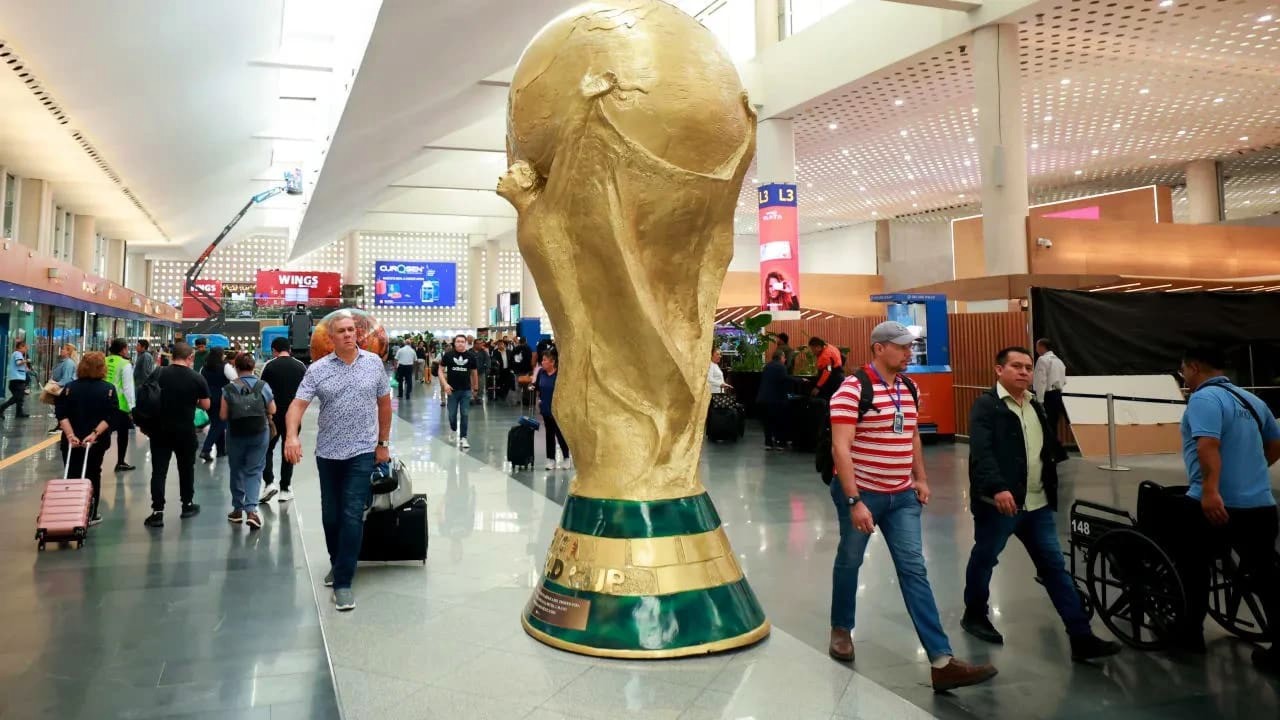
On the doorstep of the massive soccer tournament co-hosted by Canada, Mexico, and the United States, the U.S. State Department faces a wave of global criticism over prolonged wait times, logistical bottlenecks, and strict immigration restrictions that threaten to overshadow the event's organization.
The White House administration implemented a directive earlier this year that severely restricts the issuance of visas for several nations. Although special channels and priority processing windows were established to mitigate the direct impact on the event, the measure has generated international confusion and raised alarms within the organizing committee.
U.S. immigration authorities confirmed that traditional tourism and business visas (B1/B2), as well as applications processed through the FIFA Pass—the priority appointment system designed exclusively for official ticket holders—are formally exempt from the general suspensions. Nevertheless, full travel restrictions continue to directly affect four of the 48 qualified nations: Iran, Haiti, Ivory Coast, and Senegal.
Under current agreements, soccer players, coaching staff, and essential personnel from the affected national teams are guaranteed entry into U.S. territory to compete via special waivers. However, the controversy has erupted at the institutional and support levels, sparking intense diplomatic tensions between national federations and the host government.
The government of Iran formally accused the United States before FIFA of exercising a "politically biased interference" after visas were denied to a considerable portion of its officials, federation executives, and medical staff. Due to travel complications at U.S. airport terminals, it was confirmed that the Iranian team will establish its base camp in Mexico, the country that will host the delegation's stay during the group stage.
The problem has escalated beyond sports delegations, directly impacting media outlets and fans. The International Sports Press Association (AIPS) issued a sharp public denunciation requesting urgent intervention from FIFA due to systematic delays and visa denials suffered by hundreds of journalists accredited to cover the tournament.
Meanwhile, a bipartisan group of U.S. lawmakers has pressured the State Department to immediately increase consular staff at embassies to expedite processing. According to recent projections by international tourism consultancies, bureaucratic hurdles and tightened security controls will cause the volume of foreign visitors to drop to less than half of FIFA's original estimate, hovering around 1.24 million global travelers.