Meliá Revamps Cuba Operations Amid Escalating Geopolitical, Economic Risks
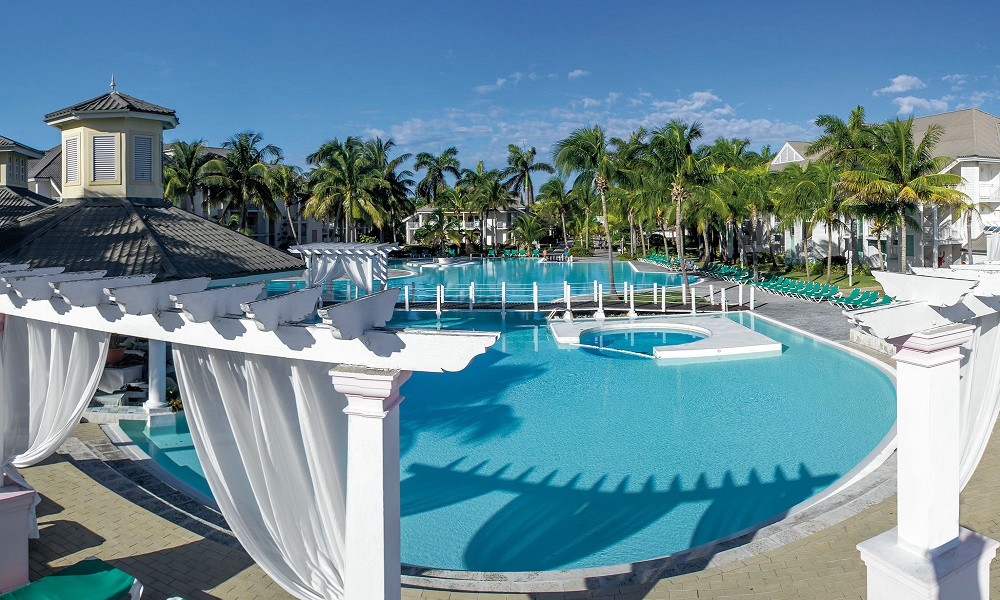
In a major operational realignment within the Caribbean basin, Meliá Hotels International has announced the immediate termination of all management, marketing, and brand-licensing agreements for 15 hotel properties located across the Republic of Cuba.
The corporate decision, finalized following an exhaustive, ongoing risk assessment by the Spanish hospitality multinational, stems from an accumulation of unforeseen legal, social, geopolitical, and economic challenges sweeping the island nation.
The corporate executive team confirmed that ownership groups were initially briefed on the pending strategy on May 26, with formal contract terminations finalized today. According to a corporate statement, the drastic operational shift is rooted in a deep sense of corporate responsibility. It comes as a direct consequence of external, uncontrollable circumstances that have severely compromised the operational viability, legal compliance, and physical security standards required to maintain the brand's global service benchmarks.
Immediate Disaffiliation Targets 15 Core Properties
The immediate operational withdrawal impacts several upscale and midscale properties positioned across Cuba’s primary leisure corridors, including Havana, Varadero, and the northern keys. The finalized list of disaffiliated properties consists of the following 15 hotels:
-
Havana: Gran Hotel Bristol Habana Vieja Member of The Meliá Collection, and Innside Catedral Habana.
-
Cayo Santa María: Meliá Buena Vista, Meliá Cayo Santa María, Meliá Las Dunas, and Sol Cayo Santa María.
-
Jardines del Rey & Cayo Coco: Meliá Jardines del Rey, and Paradisus Los Cayos.
-
Varadero: Meliá Península Varadero, Paradisus Princesa Mar, Paradisus Varadero, Sol Caribe Beach, and Sol Varadero Beach.
-
Holguín: Paradisus Río de Oro, and Sol Río de Luna y Mares.
Energy Infrastructure Collapse and Declining Demand
Corporate leadership noted that the immediate financial and commercial impact of the mass disaffiliation will remain relatively limited. This mitigation is primarily due to the fact that the vast majority of the specified properties are already entirely closed and devoid of commercial activity. The widespread closures are the direct result of the persistent energy infrastructure failures, blackouts, and the steep decline in international traveler demand that have crippled Cuba's broader visitor economy over recent months.
To minimize disruption to the regional travel distribution pipeline, Meliá has activated targeted management blueprints to execute an orderly, structured exit from each property. Simultaneously, dedicated communication protocols are being deployed to maintain transparent, up-to-date relations with global tour operators, local suppliers, and affected future guests.
While expressing gratitude to its stakeholders for their continued trust, the Palma de Mallorca-based hotel group emphasized that it will continuously monitor the evolving geopolitical landscape to reevaluate its remaining presence and long-term tourism investment strategy on the island.