Summer 2026 Trends: The Rise of the "Coolcation"
As global temperatures continue to climb, a new travel trend known as the "coolcation" is significantly reshaping consumer behavior in the summer of 2026.
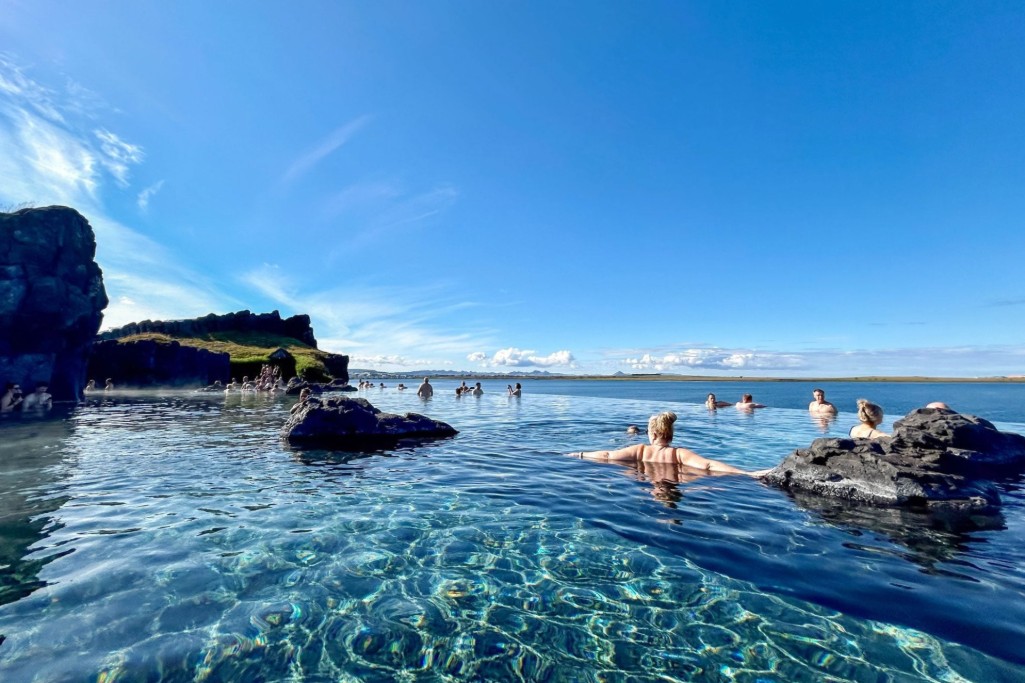
Travelers are increasingly prioritizing destinations with cooler climates, with data showing that U.S. travelers are now 17 percent more likely to select colder, northern cities over warmer alternatives, often willing to pay a premium for these locations. This move toward northern regions—including Alaska, the Canadian Rockies, and Iceland—is not merely about avoiding the heat, but represents a broader trend of "intentional travel," where visitors seek out quieter, nature-focused wilderness escapes to facilitate a total digital detox.
The shift toward these cooler destinations is also a response to the growing desire for authentic, low-impact travel experiences. Unlike traditional sun-and-beach hotspots that are often associated with overcrowding and heat-related exhaustion, these "coolcations" offer a more immersive engagement with natural landscapes, such as hiking, wildlife viewing, and scenic exploration. This trend is particularly popular among Millennial and Gen Z demographics, who are increasingly valuing the personal growth and mental health benefits associated with remote, high-nature-value travel over the traditional, high-intensity resort holiday.
This change in preference is having a notable impact on the global tourism economy, as traditional summer destinations in Southern Europe and the Mediterranean are forced to rethink their marketing strategies. While these regions remain popular, the rise of the "coolcation" is introducing new competition from emerging markets that were previously considered secondary in the summer months. This forces tourism boards in warmer regions to emphasize shoulder-season travel or specialized indoor cultural experiences to maintain their competitive edge during the peak heat of the summer season.
Digital platforms are playing a vital role in this trend, as travelers use AI-driven search tools to find niche destinations that offer the specific climate and activity level they desire. Because these consumers are highly intentional in their planning, they are more likely to spend on premium, specialized activities, which drives higher economic value per visitor for these remote regions. By targeting these specific interests, the tourism sector in colder regions is successfully converting what was once a seasonal gap into a robust and reliable revenue stream.
However, the rapid growth of these remote destinations also brings sustainability concerns, as many of these areas are ecologically sensitive and not designed for mass tourism. Regional authorities are currently focusing on implementing strict visitor management strategies to ensure that the influx of travelers does not damage the very natural beauty that attracts them in the first place. This focus on sustainable growth is essential for the long-term viability of the "coolcation" trend, as destinations aim to balance economic gains with the preservation of their unique environmental assets.
Looking ahead, the popularity of cooler-climate travel is expected to persist as a long-term fixture of the global visitor economy. As climate volatility continues to influence human behavior, the choice of destination is becoming an increasingly complex decision that reflects broader lifestyle priorities. For the remainder of 2026, the industry expects to see continued innovation in how these regions market their unique offerings, as they attempt to capture the growing segment of travelers who are looking for a refuge from the heat and a return to the natural world.