Music Travel Spending Hits Record Highs in the United Kingdom
The United Kingdom's live music sector has seen a historic boom in 2026, with total tourist spending on concerts and festivals reaching an all-time high of £11.2 billion.
According to the latest research from UK Music, the industry attracted 24.7 million music tourists last year, representing a significant 4.8 percent increase from the previous period.
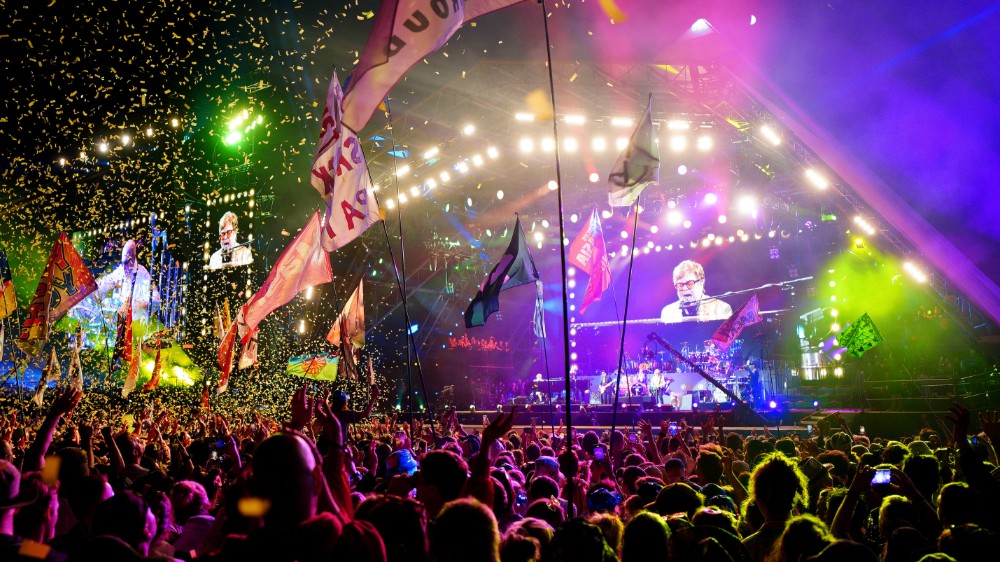
Major events, including high-profile tours and legendary festivals like Glastonbury, have served as primary catalysts for this influx, drawing massive crowds and providing a vital boost to the nation's broader hospitality and retail sectors.
A standout statistic in the industry report is the 26.8 percent surge in overseas music tourists, who are increasingly flocking to the UK for premier live entertainment. This influx of international visitors is helping to drive employment within the sector, which now supports over 74,000 full-time equivalent jobs. Industry leaders emphasize that the record-breaking spending is a direct result of the talent and dedication of the hundreds of thousands of people who work across the music value chain, from arena staff to independent festival organizers.
The economic ripple effect of these events is felt far beyond the concert venues themselves. Local hotels, restaurants, and transport networks in towns and cities across the country are reporting significant revenue increases linked to major tours. This phenomenon of "music-driven travel" has become a staple of the modern British visitor economy, proving that live performance is a powerful anchor for regional development. The success of large-scale tours has solidified the UK's status as a top-tier destination for fans seeking world-class entertainment experiences.
Despite the positive figures, the industry is grappling with rising operating costs that threaten the sustainability of smaller, grassroots venues. While stadium-level events are thriving, the cost of labor and logistics continues to put pressure on the lower tiers of the music economy. Advocates are calling for continued support to ensure that the UK remains a breeding ground for new talent, warning that the overall health of the sector depends on the viability of these smaller, foundational spaces that often serve as the first step for emerging artists.
The trend of travelers planning their entire vacation around a specific concert or festival date is expected to remain strong for the remainder of 2026. This "intentional travel" model allows for better pre-trip planning and higher spending in host cities, as visitors often extend their stays to explore the surrounding region. By leveraging the popularity of global headliners, cities are finding new ways to market themselves as cultural hubs, ensuring that the legacy of these music events continues to pay dividends long after the stages are dismantled.
As the industry looks forward, the focus remains on balancing the massive success of major tours with the need to protect the grassroots ecosystem. With the UK music industry proving to be a dominant force in global cultural tourism, the economic and social value of live performance has never been more apparent. By continuing to invest in both infrastructure and talent, the UK is set to maintain its leadership in the music-focused visitor economy for years to come.