
US Lawmakers Move to Ban In-Flight Voice Calls via "Quiet Skies Act"
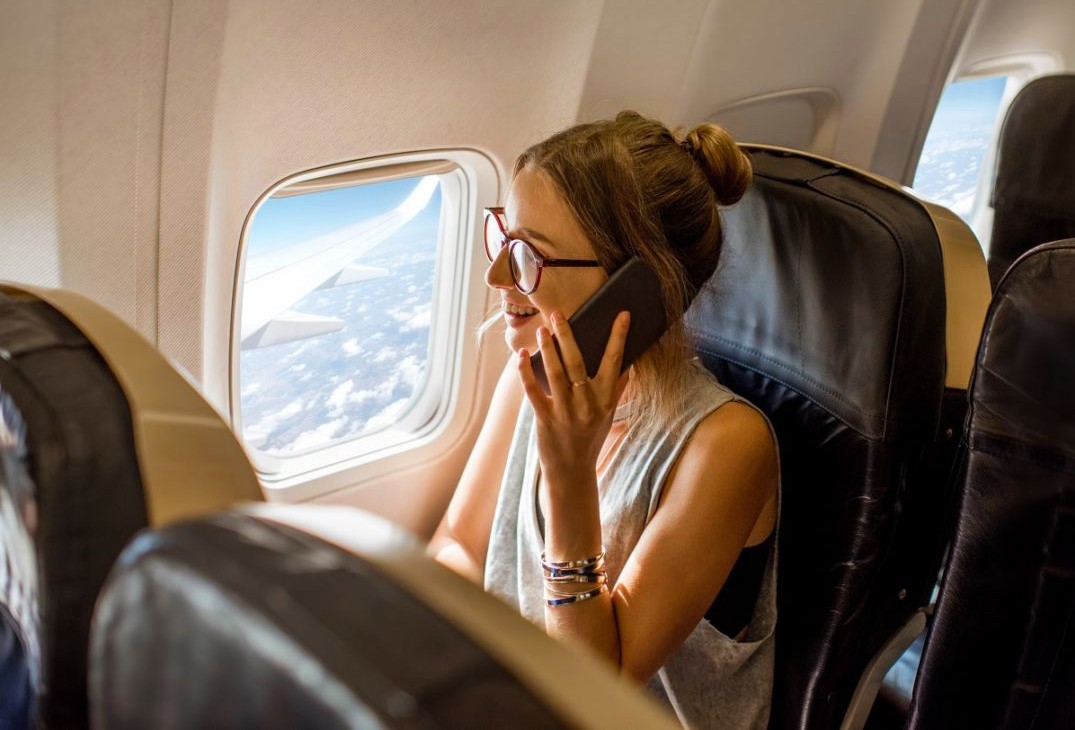
The peace and tranquility of commercial airline cabins have become the focal point of a fresh legislative push in the United States. A bipartisan coalition of lawmakers has introduced the Quiet Skies Act, a proposed measure specifically crafted to eliminate the legal loopholes that have kept the prospect of mid-air voice calls a persistent concern for air travelers.
The legislation mandates that the Department of Transportation and the Federal Aviation Administration finalize stringent regulations that explicitly prohibit the use of mobile devices for voice communications while an aircraft is in active flight.
This legislative initiative is a direct response to the mounting frustrations of passengers and the rapid evolution of satellite-based connectivity. With high-speed internet technology like Starlink now being integrated into the fleets of more than thirty major airlines, the technical barriers that once prevented in-flight calling have effectively vanished. Lawmakers argue that maintaining a serene cabin environment is not merely a matter of passenger comfort but a necessary measure to prevent potential distractions that could compromise operational safety and the collective well-being of those on board.
Although Congress previously established a directive in 2018 aimed at curbing these communications, implementation has been stalled for years, leading to the current legislative intervention. The Quiet Skies Act seeks to cut through this bureaucratic inertia by imposing a strict 180-day deadline for government agencies to complete the regulatory process and make the ban a permanent fixture of commercial aviation. This measure enjoys broad support from industry organizations, such as the Global Business Travel Association, which maintains that aircraft cabins should remain free from disruptive telephony.
The discourse surrounding the bill emphasizes a clear distinction between data usage and voice communication. Proponents are careful to clarify that the legislation is not intended to restrict passengers from accessing web services, messaging platforms, or email, which are considered essential for the modern traveler. Instead, the focus remains exclusively on the disruptive impact of vocal conversations in a confined space. Supporters argue that the act is a common-sense solution designed to balance the needs of the connected traveler with the fundamental right of others to a quiet, undisturbed journey.
As the debate moves forward, there is a strong consensus among legislators from both parties that the social dynamic of the aircraft cabin must prioritize mutual respect. The objective is to preserve the historic character of air travel—a sanctuary of relative calm—while still allowing for the productivity that modern technology enables. By explicitly barring voice calls, the proposed act aims to protect this environment, ensuring that the increasingly connected nature of the 21st century does not come at the expense of the basic human expectation for a peaceful travel experience.