Delta Air Lines Scales Back Cuba Flights Amid Market Slump
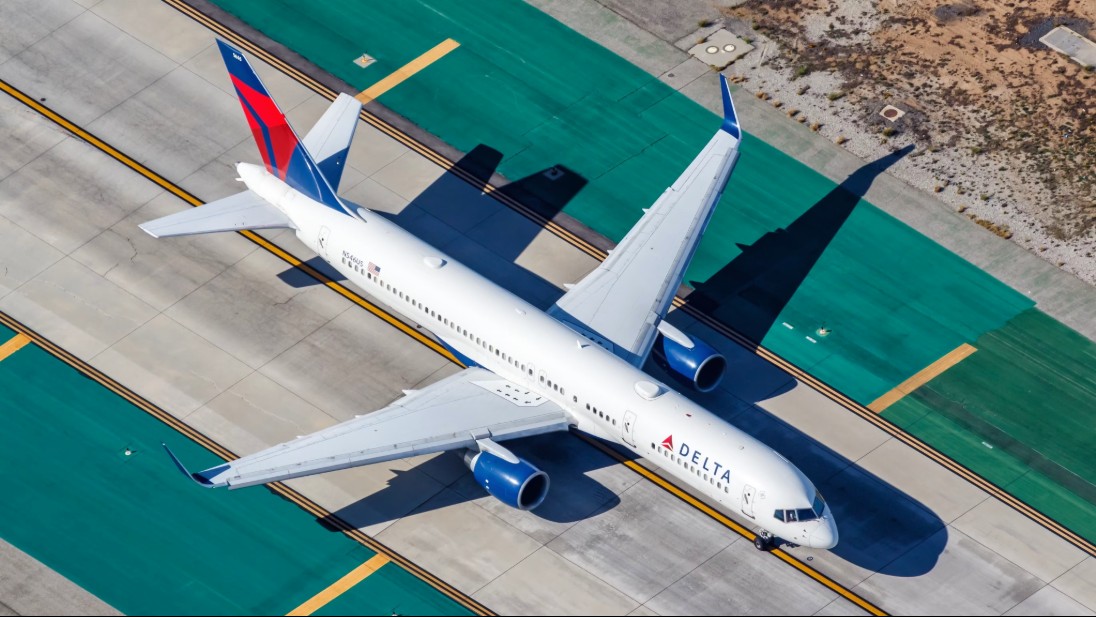
Delta Air Lines has officially implemented a major operational reduction on its routes to Cuba, joining a growing list of international carriers scaling back services to the island due to sluggish passenger demand and escalating operational hurdles. The carrier confirmed it has suspended its direct corridor between Atlanta and Havana while slashing its remaining frequencies from Florida in half.
The strategic retreat was authorized after the U.S. Department of Transportation (DOT) granted Delta a temporary dormancy waiver. This regulatory approval allows the airline to park its slots without forfeiting long-term flying rights, signaling that while Delta is retreating from the current market, it is not ready to permanently surrender its commercial aviation footprint in the Caribbean nation.
The restructuring heavily impacts Delta's network connectivity. The daily direct service out of Hartsfield-Jackson Atlanta International Airport—the airline’s primary global hub—has been completely eliminated. Meanwhile, operations at Miami International Airport, which previously featured a double-daily service to Havana, have been trimmed to a single daily flight, effectively cutting the airline’s weekly seat capacity to Cuba by 50 percent.
Industry analysts point out that Delta’s decision reflects a broader, systemic post-pandemic challenge facing foreign carriers in the Cuban market, where economic volatility and shifting travel patterns have severely weakened profit margins.
Airlines operating in the region have faced a compounding crisis, primarily driven by severe jet fuel shortages at Cuban airports. While European and Canadian carriers have been forced to cancel routes or introduce costly tech stops in third countries to refuel, U.S. network carriers have relied on tankering practices—carrying enough fuel from the U.S. mainland for the round trip—to bypass local infrastructure deficits. However, the combination of regulatory limits on U.S. travel categories and rising ground-handling fees has eroded the financial viability of multi-frequency schedules.
Delta corporate communications indicated that the current market conditions simply do not support the volume of seats previously allocated. By consolidating its remaining operations into a single Miami-Havana frequency, the carrier is focusing strictly on the high-density VFR (Visiting Friends and Relatives) segment, which remains the most resilient demographic for U.S.–Cuba travel.
The airline noted it will continue to monitor the regulatory environment and passenger volumes, leaving open the possibility of restoring its previous flight frequencies should economic indicators and travel demand show a sustained recovery.