Portugal Tourism Sector Displays Resilience and Maturity
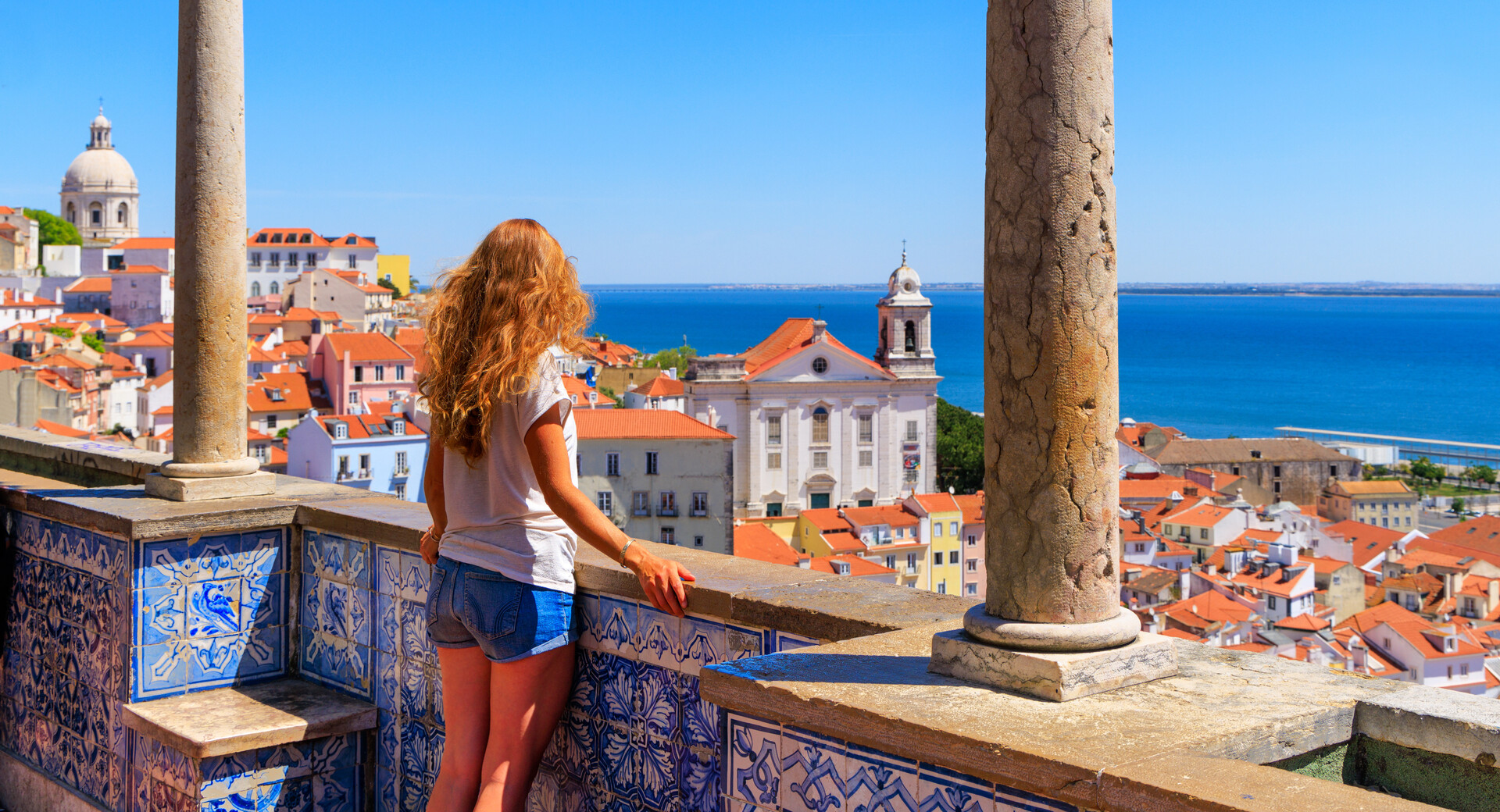
The Portuguese tourism industry maintained its trajectory of growth throughout 2025, reaching a significant milestone with nearly 30 million international tourists visiting the country.
While this performance underscores the nation's enduring appeal as a premier travel destination, it also highlights a shift toward a more sustainable and moderate pace of expansion. The 3.3% increase recorded by the National Statistics Institute represents a stabilizing trend, following the more aggressive growth witnessed in the prior year, suggesting that the sector is entering a period of deliberate, measured development.
Across the spectrum of tourist accommodation, Portugal hosted 34.8 million guests, contributing to a total of 89.7 million overnight stays. Although international visitors remained the primary driver of this demand—accounting for over two-thirds of all nights spent in the country—the reliance on these traditional source markets has slightly softened. This trend reflects an increasingly diversified international visitor base, bolstered by notable growth in arrivals from North America and other emerging markets, which are successfully helping to mitigate the fluctuations observed in more established European origins.
A notable feature of the 2025 data is the robust performance of domestic tourism, which expanded at a faster rate than international demand. With a 3.5% increase in overnight stays, residents of Portugal are playing a crucial role in maintaining year-round activity. This domestic engagement, paired with strategic efforts to promote tourism beyond the traditional hubs of Lisbon and the Algarve, has successfully driven the tourism seasonality rate to its lowest level since 2013. By emphasizing cultural, gastronomic, and nature-based experiences in lesser-visited municipalities, the country is effectively spreading the economic benefits of tourism more broadly across its regions.
Despite this overall success, the landscape of visitor spending presents a nuanced picture. While the total volume of travelers continues to climb, the average expenditure per trip has experienced a decline. This is particularly evident among Portuguese residents, who are traveling more frequently but choosing more budget-conscious options. Industry experts suggest that this trend toward price sensitivity reflects broader economic pressures, even as the nation remains a top choice for travelers seeking a safe, stable, and historically rich environment amidst global geopolitical uncertainty.
Looking ahead, the challenge for Portugal lies in balancing this sustained popularity with the need to manage infrastructure and local resources responsibly. The concentration of visitors in specific municipalities remains a focal point for policymakers, who are advocating for a more balanced distribution of foot traffic to alleviate pressure on housing and urban centers. As the industry matures, the focus is clearly shifting toward enhancing the quality of the visitor experience and fostering sustainable growth that supports both the local economy and the long-term viability of the nation's world-class tourism infrastructure.