Another American Tourist Dies in the Dominican Republic
Another American has died at a Dominican resort, the fourth in the last year, raising alarm among U.S. tourists and the island-tourism industry that relies heavily on them.
The increasing number of mysterious deaths and reported sudden illness at resorts in the Dominican Republic have drawn unsettling attention to the nation of 10 million, prompting government officials there and the U.S. ambassador to reassure travelers that the country is safe.
More Americans have visited the tropical island nation — with its pearl-white coastline and value travel packages to all-inclusive resorts — in recent years than France, U.S. Embassy officials said.
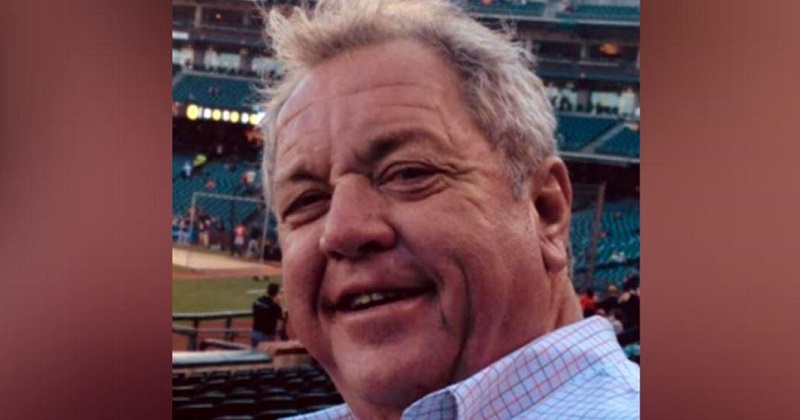
In the most recent reported incident, the State Department confirmed that an American tourist died but did not identify the person. Fox News Channel, citing a relative, identified the tourist as Robert Bell Wallace.
The California man died in April after becoming ill at a Hard Rock Hotel & Casino in Punta Cana. An obituary for the 67-year-old said he “passed unexpectedly while vacationing in the Dominican Republic” on April 14. He was in the country to attend a wedding, according to the news network when he nearly immediately fell sick after going to his resort and died.
Miranda Schaup-Werner, 41, of Allentown, Pa., was celebrating her 10th wedding anniversary when she died May 25 within 24 hours of arriving at her hotel room. Nathaniel Edward Holmes, 63, and Cynthia Ann Day, 49, both of Prince George’s County in Maryland, had just become engaged before their Dominican trip. They were found dead in their room on May 30.
Amid the turmoil stirred by the tourist deaths, Red Sox legend David “Big Papi” Ortiz was shot in the back late Sunday during an ambush at an outdoor restaurant and bar patio in the Dominican capital city. The former major league slugger was flown Monday in stable condition to Boston for further treatment and local police say they have arrested one of two alleged attackers.
The spate of bad news from the Caribbean country has some American tourists reflecting afresh on their own tragic experiences.
Dawn McCoy of Brandywine, Md., has traveled many times to the same hotel where Wallace reportedly died. Her husband, David Harrison, loved the resort and went as often as time permitted. The 45-year-old died there in July 2018 after unexpectedly falling ill. But at the time, his wife accepted the autopsy results showing that he had died of a heart attack.
McCoy had planned to honor her husband by revisiting the resort in mid-May with her son. But she canceled after news broke of the death of the couple from her home county of Prince George’s. “That was his paradise,” said McCoy, who works in a law office in suburban Washington. “We had booked the reservation. We enjoyed going there so much. But that was before, when I thought his death was just a fluke.”
In three of the four death cases, the Dominican National Police released autopsy results citing similar causes of death for Schaup-Werner, Holmes and Day. Dominican police and the attorney general’s office declined to comment until toxicology reports, which could take a month to complete, are released publicly. The FBI is assisting with those tests, according to the State Department.
Local officials have offered reassurances as the disturbing news has gone global and imperiled a crucial sector of their economy.
Dominican officials have insisted that the island is safe, noting that more than 2 million Americans visit its beaches each year, accounting for about a third of the tourist population each year, according to the country’s tourism ministry.
Attorney general Jean Alain Rodríguez told local journalists after the attack on Ortiz that the Dominican Republic is “secure but definitely has many challenges,” according to a video published on the Listin Diario news site.
The deaths appear isolated, according to Dominican National Police, and no link has been made between them. But the similarities, proximity and frequency of death among relatively healthy American tourist troubles McCoy.
Source: The Washington Post