
Border Bottlenecks Persist at European Entry and Exit System Outposts
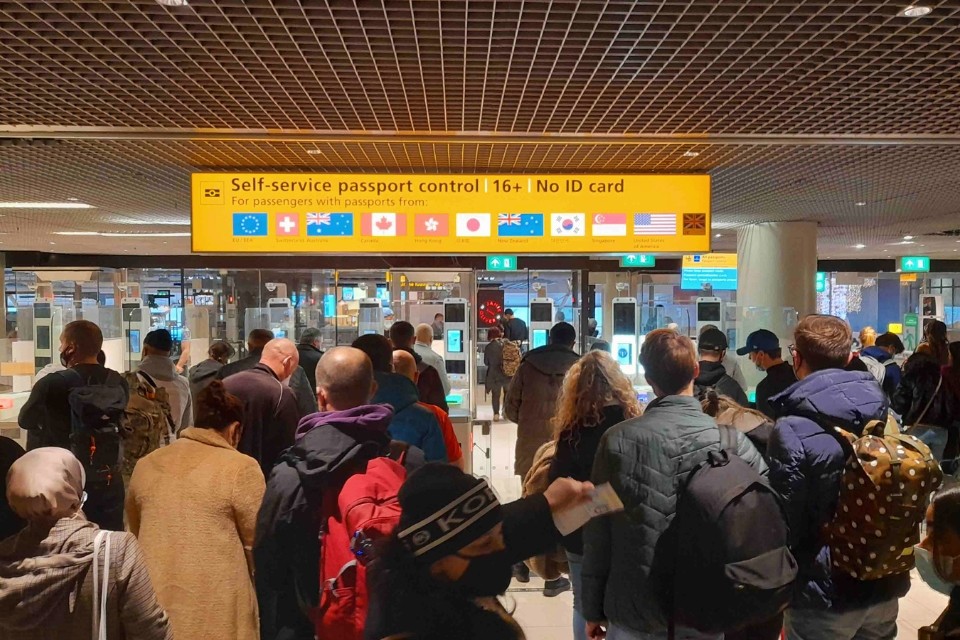
Transatlantic vacationers heading to continental Europe are facing unprecedented terminal delays as the European Union’s fully automated Entry/Exit System undergoes its first peak summer operational window. Travel protection firm Trawick International issued a critical bulletin advising international commuters to prepare for prolonged processing timelines at primary Schengen Zone gateways, including Paris and Amsterdam.
The newly implemented border security apparatus completely eliminates traditional physical passport stamping in favor of a centralized digital registry requiring comprehensive biometric validation. All non-European Union arrivals are now statutorily required to complete digital facial scans and provide full fingerprint records at automated self-service kiosks.
The World Travel & Tourism Council released a parallel economic impact analysis warning that up to 41 million international visitor arrivals could be placed at immediate risk if border processing wait times reach the three-hour threshold. The vast majority of current terminal bottlenecks are directly linked to technical glitches within first-time registration kiosks, creating cascading delays during high-density midday flight connection blocks.
To safeguard upcoming seasonal vacation itineraries, travel advisors are strongly urging consumers to expand their airport connection windows to a minimum of three hours when navigating European hubs. The systemic transit disruptions highlight the operational friction that occurs when sweeping multinational security infrastructure overhauls coincide with record-breaking international passenger volumes.