
Canada Implements Temporary Border Restrictions Amid Ebola Outbreak
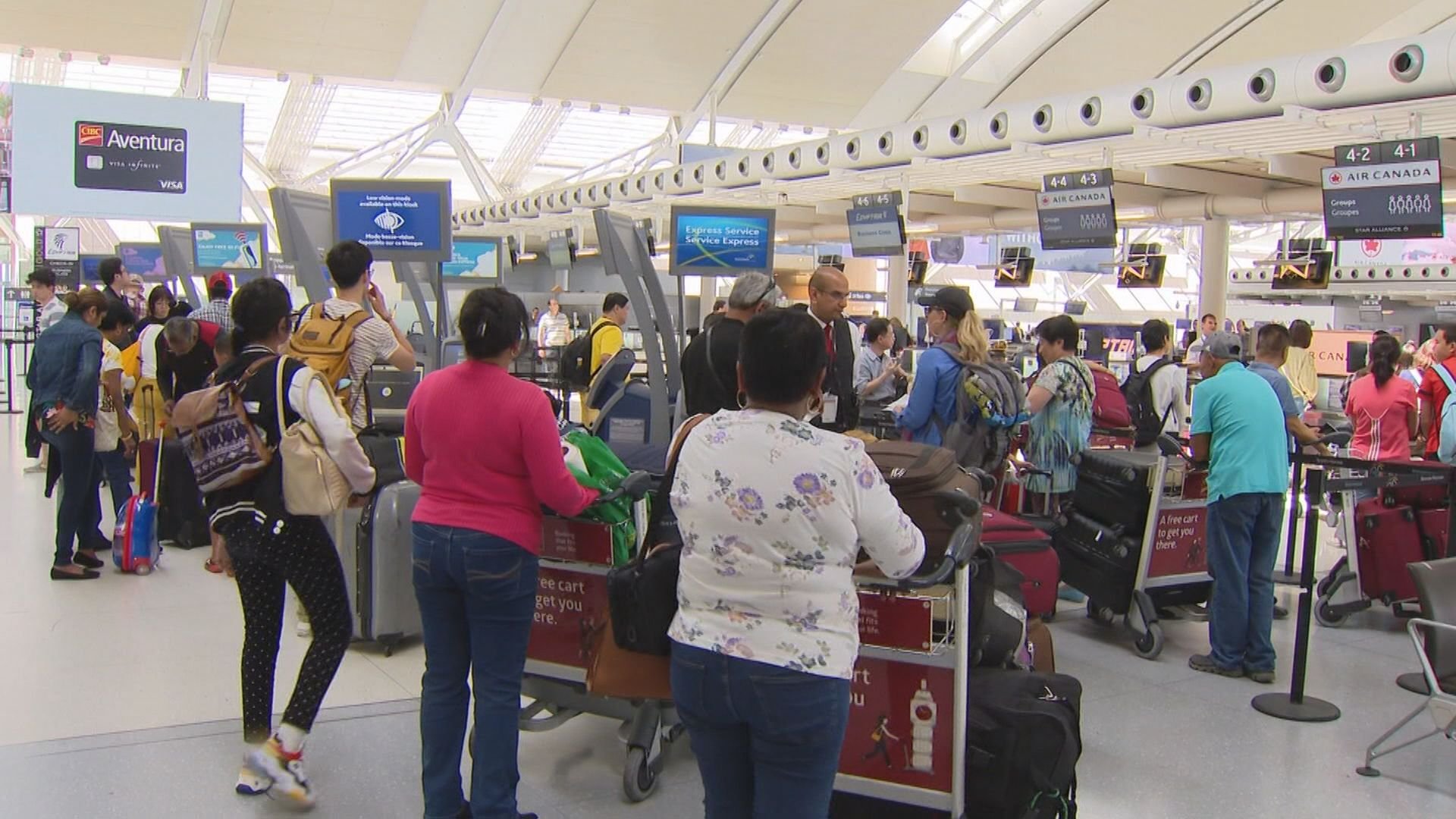
Canada has implemented decisive temporary border measures effective July 20, 2026, in response to an ongoing Ebola disease outbreak in the Democratic Republic of the Congo.
Under these new regulations, foreign nationals who have been in the DRC within the previous 21 days are prohibited from entering Canada. This mandate is supported by an Interim Order under the Aeronautics Act, which requires air carriers to deny boarding to any such individuals, further demonstrating the government's commitment to public health safety.
These measures, while restrictive, are described by the Public Health Agency of Canada (PHAC) as being taken out of an "abundance of caution," as the actual health risk to the Canadian public is currently considered low. Canadian citizens, permanent residents, and those registered under the Indian Act are exempt from the entry ban but are subject to mandatory health assessments and a 21-day quarantine upon arrival if they have traveled to the affected region. This structured approach is intended to preserve the integrity of Canada's borders while safely processing returning citizens and humanitarian workers.
The situation underscores the ongoing fragility of international travel in the face of sudden health emergencies. For the tourism sector, such measures create an immediate ripple effect, forcing airlines and travel agencies to quickly adjust their operations and communicate rapidly changing policies to their customers. Travelers planning international journeys are strongly advised to check the latest travel advice and health notices for their specific destinations, as requirements can evolve with little notice.
These regulations are currently set to remain in effect until August 29, 2026, unless further health data suggests a need for an extension or modification. The effectiveness of these measures will be closely monitored, with the government seeking a balance between public health protection and the continued sustainability of international travel corridors. Aviation stakeholders are working closely with PHAC to ensure compliance, minimizing potential bottlenecks at major transit hubs.
For the broader travel industry, this event serves as a reminder of the need for robust contingency planning. Companies that can provide real-time updates and flexible rebooking options are proving to be the most resilient in navigating these unpredictable periods. As the world remains highly interconnected, the ability of governments to enact targeted, evidence-based restrictions is becoming a standard, if challenging, feature of global travel management.
Ultimately, these measures reflect a broader shift toward proactive health security in the post-pandemic era. By managing the risk at the border, Canada aims to avoid broader domestic disruptions while fulfilling its international obligations to help contain the outbreak. Travelers are encouraged to remain patient and informed as these policies continue to shape the logistics of international movement throughout the summer.