
CDC Deploys Enhanced Health Screenings to Contain Global Ebola Threat
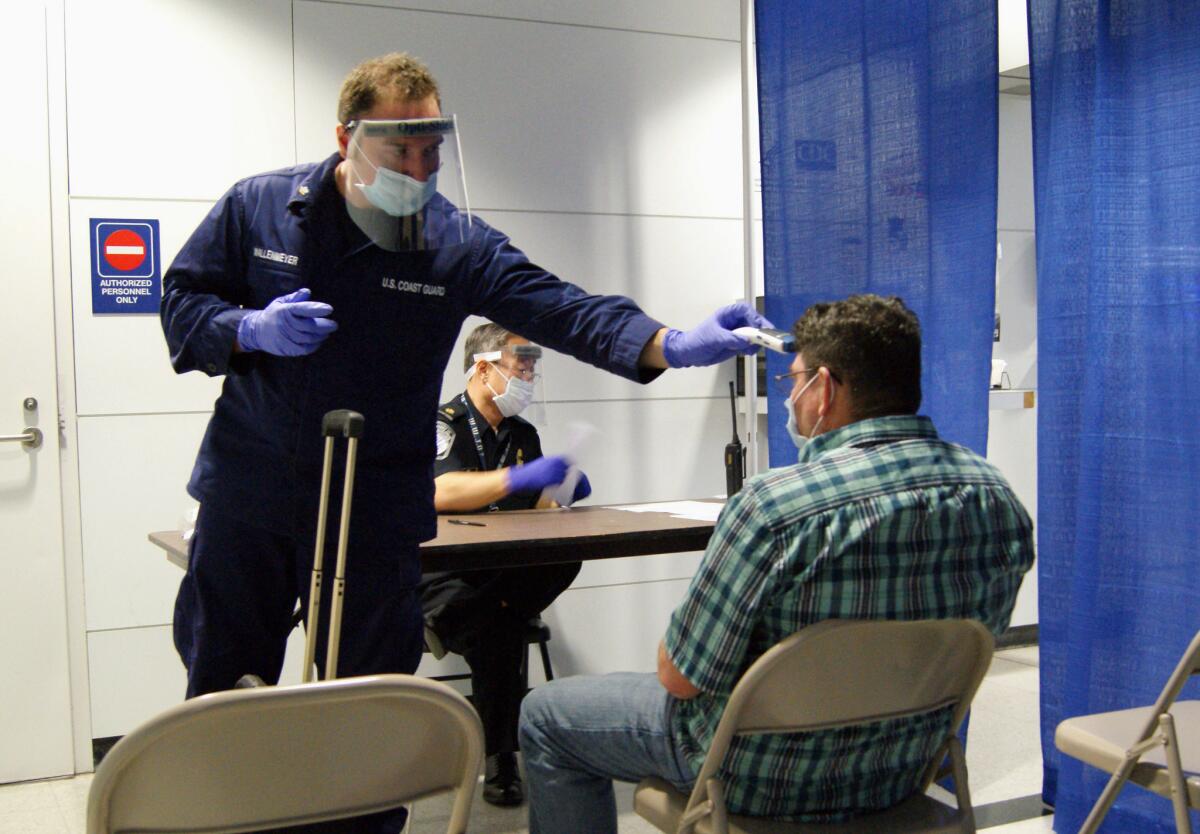
The US Centers for Disease Control and Prevention (CDC) and the Department of Homeland Security (DHS) have officially enacted rigid emergency entry restrictions for international arrivals.
Effective this week, non-U.S. citizens who have visited designated high-risk zones facing active outbreaks of Ebola Virus Disease within the past 21 days are temporarily banned from entering the country. The federal directive establishes a strict biosecurity perimeter, utilizing advanced thermal screening and mandatory passenger routing to prevent any domestic introduction of the highly infectious pathogen.
The implementation of these localized entry restrictions is a mechanical necessity to protect domestic public health infrastructure while minimizing broader disruptions to the global commercial aviation grid. Under the current federal mandate, exempted individuals—such as U.S. citizens, lawful permanent residents, and specialized diplomatic passport holders—are still permitted to return but must legally land at a restricted list of designated airports equipped with specialized CDC quarantine facilities. The rollout is being deployed sequentially across the nation's primary international entry points to prevent administrative bottlenecks.
The operational schedule for these designated arrival points launched at Washington-Dulles International Airport (IAD), followed immediately by Hartsfield-Jackson Atlanta International (ATL) later in the week. The federal government has confirmed that George Bush Intercontinental Airport (IAH) in Houston is scheduled to activate its mandatory health screening checkpoints tomorrow morning, on Tuesday, May 26. International airlines, including major transpacific carriers like EVA Air, have issued urgent travel alerts to ensure that inbound passengers are fully aware of these strict routing constraints before boarding.
The logistical coordination required to execute these health screenings involves a massive deployment of federal personnel to primary customs zones. Arriving passengers with relevant travel histories are escorted to isolated terminal areas where CDC medical officers conduct visual assessments, temperature checks, and detailed exposure interviews. This intensive process requires local airport authorities to modify traditional passenger flows and allocate dedicated gate space away from mainstream international arriving banks. The extra screening protocols are adding approximately 45 to 90 minutes to the standard customs clearance process for affected flights.
Airlines operating routes into the designated hubs are legally required to audit passenger manifests prior to departure, identifying any individual with recent travel history to the affected regions. Failure to properly screen passengers at foreign origins can result in severe financial penalties for carriers and the immediate return of the aircraft at the airline's expense. Consequently, corporate travel departments worldwide are rushing to adjust itineraries for international personnel, rerouting flights to align strictly with the mandated CDC gateway schedule.
This emergency public health initiative serves as a stark reminder of the travel industry's vulnerability to global biological threats. Federal agencies have emphasized that this notice functions as a rolling administrative directive subject to immediate updates based on real-time epidemiological data. International travelers are being reminded that all regulatory exemptions and entry parameters are strictly dictated by official CDC and CBP announcements. Maintaining updated contact information and clear travel logs within airline profiles remains vital for navigating these emergency border restrictions smoothly.