Astro-Tourism Surges Ahead of 2026 Solar Eclipse in Iceland
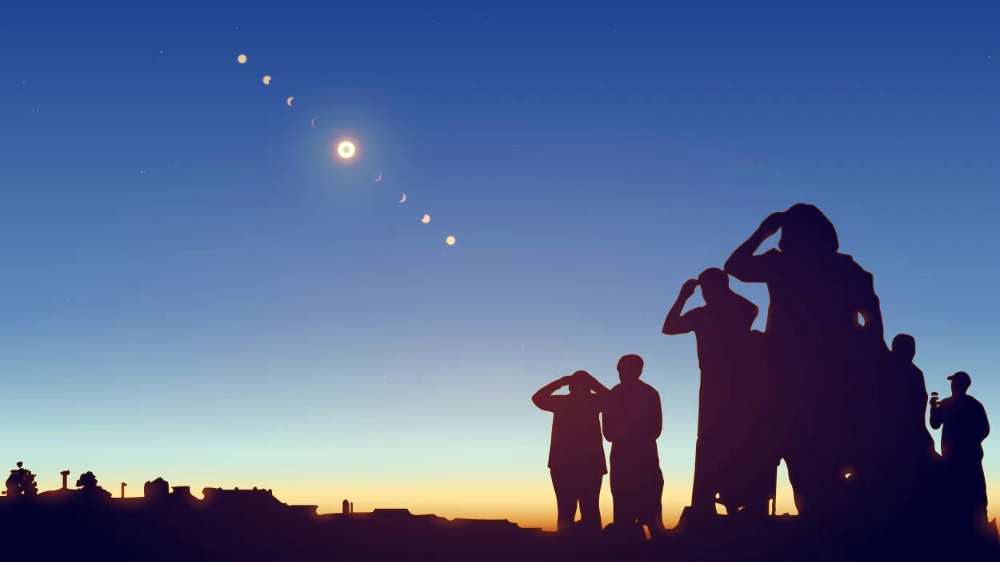
The Icelandic Tourist Board reported a "historic spike" in hotel bookings today, with occupancy rates for August 2026 already reaching 95% across the country.
This surge is being driven by the upcoming total solar eclipse, which will be visible across much of Iceland and parts of Spain. The rise of "Astro-Tourism"—travel focused on celestial events and stargazing—has become one of the most lucrative "niche markets" of the year, with travelers willing to pay a "significant premium" for access to prime viewing locations.
To manage the expected influx of "eclipse chasers," Iceland is implementing "managed access zones" and temporary transportation corridors to prevent damage to its fragile volcanic landscapes. Tour operators are offering "bespoke eclipse packages" that combine the celestial event with geothermal spa visits and "glacier trekking," turning a two-minute astronomical event into a week-long luxury experience. The "Astro-Tourism" trend is also driving a "technological boom," with high-end lodges installing automated telescopes and "glass-roofed pods" to cater to the "modern stargazer."
The "dark sky" movement is at the heart of this surge, as travelers look to escape the "light pollution" of major cities to reconnect with the "majesty of the cosmos." Iceland's "unique geography" and "crystal-clear air" make it the "premier destination" for this type of nature-based exploration. For the 2026 global community, the eclipse serves as a "unifying moment" that highlights the power of tourism to inspire awe and foster a "deeper appreciation" for the natural world.
Beyond the "visual spectacle," the eclipse is providing a "massive economic boost" to the rural regions of Iceland, where many smaller villages are seeing "record-breaking revenues" for the summer season. Local artisans and "heritage storytellers" are being integrated into the "eclipse programs," offering a "cultural context" to the astronomical event. This "holistic approach" ensures that the "benefits of the surge" are shared by the local community, creating a "sustainable model" for future high-impact events.
However, environmental groups have voiced concerns about the "impact of the influx" on Iceland's "delicate ecosystems." In response, the government has launched a "Green Eclipse" initiative, requiring all tour operators to offset the carbon footprint of their guests and to adhere to strict "leave no trace" principles. This "proactive management" is intended to ensure that the "eclipse experience" does not come at the cost of the country's "natural integrity."
As the "countdown to August" begins, the "excitement is palpable" across the island nation. For the 2026 voyager, the solar eclipse is more than just a "photo opportunity"; it is a "once-in-a-lifetime journey" to the "edge of the world" to witness a "celestial masterpiece." Iceland is ready to welcome the world to its "theatre of the stars," proving that the "sky is the limit" for the future of "meaningful travel."