Escalation in the Middle East Paralyzes Regional Tourism, Global Air Connectivity
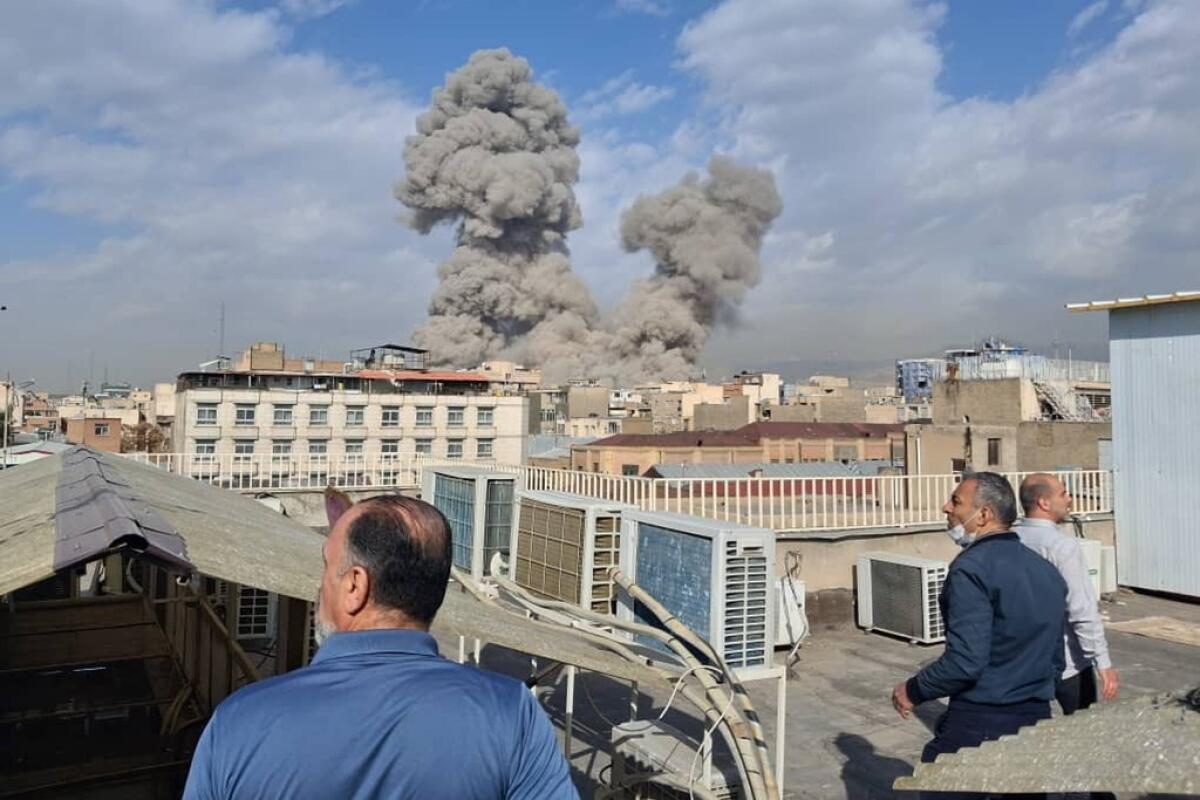
The ongoing military escalation between the United States and Iran has plunged the Middle East into a state of extreme instability, resulting in a profound and disruptive impact on the regional and global tourism industry. This crisis, which intensified significantly throughout July 2026, has effectively turned one of the world's most critical transit regions into a zone of high uncertainty, forcing a massive reconfiguration of global travel flows.
The aviation sector, which relies heavily on the Middle East as a central hub for intercontinental traffic, is facing an unprecedented operational blockade. Major hubs such as Dubai, Doha, and Abu Dhabi—which traditionally account for 14% of global transit traffic—have seen a drastic reduction in flight frequencies from key carriers like Emirates, Etihad, and Qatar Airways.
The closure of airspace across the region has forced airlines to implement lengthy detours, extending travel times by up to three hours. This operational shift has led to a sharp increase in fuel consumption and caused ticket prices on essential routes to soar, with some fares reportedly exceeding 10,000 euros.
According to projections by the International Air Transport Association (IATA), the disruption is causing estimated losses of up to 600 million dollars per day on a global scale. Beyond the aviation sector, the instability is rippling through the entire tourism value chain. Rising energy and oil costs—with predicted increases of 9% and 8% respectively—are putting immense pressure on the profitability of hotels, cruise lines, and transport providers.
Furthermore, global alerts issued by the United States, warning of potential attacks on diplomatic missions and civilian targets, have paralyzed tourism demand toward the region, forcing operators to manage complex evacuation and repatriation efforts for thousands of stranded travelers.
Redefining Travel: The "Safe Haven" Effect
In response to this climate of volatility, the global tourism market is experiencing a phenomenon known as the "safe haven" effect. There is a marked reallocation of visitor flows toward destinations perceived as more secure. Markets such as Europe, Morocco, and certain parts of the Mediterranean are benefiting from this shift, as travelers divert their plans away from the conflict zones. This relocation of demand has led to growth forecasts in alternative markets, with sectors like Spanish tourism expecting significant revenue increases as they absorb the displaced traffic.
The military situation remains fluid, with reciprocal attacks continuing to damage strategic infrastructure, including power plants and desalination facilities in nations such as Kuwait and Bahrain. For the tourism industry, the primary risk is no longer just the local conflict, but its potential for regional expansion.
As governments and tourism boards struggle to restore confidence, the consensus among experts is that the sector is entering a period where security and geopolitical stability have regained their status as the absolute pillars of global travel, far outweighing traditional promotional efforts. The industry remains in a state of alert, closely monitoring the situation as travelers and airlines alike navigate an environment defined by the constant threat of further disruptions.